
In the process of medical diagnosis, treatment, and nursing, “displacement” is a key hidden danger that can cause diagnosis and treatment deviations, nursing risks, and patient discomfort – surgical position displacement may affect surgical field exposure and operational accuracy, medical dressing displacement can lead to wound infection or stoma leakage, and rehabilitation equipment sliding can reduce the effectiveness of rehabilitation training.
Non slip non-woven fabric has become one of the core materials in the field of medical anti displacement due to its precise anti slip fixing performance, excellent biocompatibility, and special process design suitable for medical scenarios. It is widely used in multiple key links such as surgery, nursing, and rehabilitation, and builds a “fixed defense line” for medical safety. Its core value lies in achieving the medical needs of “precise fixation, stable fit, and safe movement” through scientific material and structural design, without damaging human tissue and meeting sterile requirements.
Core requirements for anti slip non-woven fabric in medical anti displacement
The particularity of medical scenarios determines that anti slip non-woven fabrics used for anti displacement must meet strict standards far beyond daily scenarios. The core requirements focus on the following four points:
First, biocompatibility, which must pass biosafety testing, be non allergenic, non irritating, and can directly contact the skin, mucous membranes, or surrounding tissues of wounds;
The second is sterility, which requires strict aseptic treatment such as ethylene oxide sterilization to avoid cross infection;
The third is anti slip stability, which can maintain stable viscosity and friction coefficient even in the environment of body fluids (blood, sweat, exudate) infiltration, without displacement;
The fourth is adaptability, which combines a certain degree of softness and breathability, conforms to the curves of the human body while avoiding affecting local blood circulation, and can achieve precise cutting and convenient removal according to medical needs.
Accurately crack the risk of displacement in various aspects of medical care
1. Fixed surgical position: ensuring the accuracy and safety of surgical operations
During the surgical process, the stability and fixation of the patient’s position directly affect the clarity of the surgical field of view, the accuracy of the surgical operation, and even the patient’s life safety (such as position deviation during prone position surgery may compress the chest cavity and affect breathing). Non slip non-woven fabric is mainly applied in the form of “surgical position fixing pad” and “anti slip surgical towel” in this scenario:
On the one hand, the surgical position fixing pad uses thickened anti slip non-woven fabric as the core substrate, and the back is tightly adhered to the surgical table surface through a medical grade water-based anti slip coating to prevent the pad from shifting; On the surface, special fiber structures are used to enhance friction with the patient’s skin, and adjustable straps are used to precisely fix the patient’s limbs (such as limbs and torso) in a predetermined position.
For example, in orthopedic joint replacement surgery, the patient’s affected limb can be fixed in the “outward neutral position” by customizing anti slip non-woven fabric fixation pads to avoid limb shaking during the surgery that affects the accuracy of prosthesis implantation; In prone position surgery in neurosurgery, the head anti slip fixing pad can prevent head displacement and compression of the vertebral artery through the buffering and fixing effect of anti slip non-woven fabric.
On the other hand, non slip surgical drapes are based on traditional surgical drapes and have medical non slip non-woven fabric strips added to the edges, which are attached to the patient’s skin or the edge of the surgical table to prevent the surgical drapes from shifting during the operation, ensuring that the sterile isolation range of the surgical area is not reduced and reducing the risk of infection.
2. Fixation of medical dressings and consumables: Building a “protective barrier” for wound care
The displacement of medical dressings (such as wound dressings, ostomy bags, and drainage tube fixation patches) is a common problem in clinical nursing, which may lead to risks such as wound exposure infection, stoma leakage, and drainage tube dislodgement. Non slip non-woven fabric has become the core anti displacement component of this type of dressing through methods such as “substrate composite” and “adhesive modification”
In wound dressing, the edge of the dressing or the bottom layer in contact with the skin is made of medical non slip non-woven fabric material, combined with low sensitivity water-based adhesive, which can enhance the adhesion between the dressing and the skin, prevent the dressing from curling or falling off due to patient activity or sweat secretion, and reduce the risk of allergies by reducing the stuffiness of the skin through the breathable structure of the non-woven fabric. For wounds with a lot of exudate, non slip non-woven fabric can also be treated with hydrophilic modification to quickly absorb exudate and lock in moisture, avoiding leakage that may cause adhesive failure and displacement.
In stoma care, the contact layer of the bottom of the ostomy bag adopts a non slip non-woven fabric composite structure, and the micro rough texture on its surface closely adheres to the skin. At the same time, the back adhesive has the characteristics of being resistant to body fluids and friction, which can prevent the ostomy bag from shifting due to changes in the patient’s position and abdominal activity, avoid leakage of stoma excrement, and improve the patient’s quality of life.
In addition, the drainage tube fixing patch precisely fixes the drainage tube on the body surface through the anti slip fixing effect of non slip non-woven fabric, avoiding displacement or dislodgement of the drainage tube due to patient turning or movement, and ensuring smooth drainage.
3. Fixed rehabilitation treatment equipment: improving the effectiveness of rehabilitation training
During rehabilitation treatment, the displacement of rehabilitation equipment (such as orthotics, braces, rehabilitation training belts) can directly reduce training effectiveness and may even lead to secondary injuries. Anti slip non-woven fabric achieves precise fixation by adapting to the structural design of rehabilitation equipment
For example, in limb orthopedic rehabilitation, the inner layer of the orthotic device in contact with the skin is made of soft and non slip non-woven fabric, which can enhance the fit between the orthotic device and the limb, prevent the orthotic device from shifting during movement, and ensure that the corrective force is accurately applied to the target area; It can also reduce the pressure of orthotics on the skin and improve wearing comfort through the cushioning effect of non-woven fabric.
At the end of the rehabilitation training belt, an anti slip non-woven fabric grip or fixed patch will be added to enhance the friction between the hand and the grip, as well as between the patch and the body surface, to prevent the training belt from slipping during the training process and ensure the standardization and safety of the training movements.
4. Fixed care for special populations: adapted to the vulnerable needs of elderly, children and other groups
Elderly patients have loose skin and weaker mobility, while pediatric patients are active and have delicate skin. The medical fixation needs of this group are more focused on “gentle fixation and injury prevention”. Anti slip non-woven fabric optimized design for this type of demand:
For elderly bedridden patients, the surface layer of the pressure ulcer prevention mattress is made of soft and non slip non-woven fabric, which can prevent the patient from sliding on the mattress and causing long-term pressure on the local skin, and reduce the friction between the mattress and the skin, thereby reducing the risk of pressure ulcers; In the fixation of urinary catheters, gastric tubes, and other pipelines, low sensitivity non slip non-woven fabric fixation patches are used to avoid damaging the fragile skin of elderly patients due to excessive adhesion, while ensuring stable fixation of the pipelines.
For pediatric patients, the intravenous infusion fixation patch is made of non slip non-woven fabric material with cartoon patterns. The adhesive backing is gentle and easy to remove, which can prevent the infusion needle from shifting or falling out due to children’s mobility, and reduce the irritation to children’s skin; The auxiliary fixing pad in children’s rehabilitation training is made of thick and soft non slip non-woven fabric, which ensures training safety through dual buffering and anti slip effects.
Technical adaptation points of non slip non-woven fabric in medical anti displacement
To meet the strict requirements of medical anti displacement, anti slip non-woven fabric needs to achieve precise adaptation at the technical level:
Firstly, the selection of backing adhesive, preferably using medical grade low sensitivity water-based adhesive or silicone adhesive, to avoid sensitization and maintain stable viscosity in body fluid environment;
The second is material modification, which enhances the permeability and antibacterial properties of non-woven fabrics through hydrophilic and antibacterial modifications, making them suitable for scenarios such as wounds and stomas;
The third is structural design, which adopts different structures such as “thickened cushioning type” and “thin fitting type” according to different fixing requirements. For example, the surgical fixing pad adopts a multi-layer composite anti slip structure, while the dressing fixing adopts a thin breathable structure;
The fourth is sterilization treatment, which must undergo sterile treatment that meets medical standards to ensure the safety of product use.
Development trend: upgrading to intelligence and multifunctionality
With the development of medical technology, anti slip non-woven fabrics are upgrading towards intelligence and multifunctionality in the field of medical anti displacement. On the one hand, “intelligent anti slip fixing materials” are being developed, which embed pressure sensors in non-woven fabrics to monitor the pressure distribution of fixed parts in real time, avoiding local blood circulation disorders caused by too tight fixation.
On the other hand, developing composite non-woven fabrics with multiple functions such as anti slip, antibacterial, and healing promotion, such as adding silver ion antibacterial ingredients or growth factors to anti slip non-woven fabrics used in wound dressings, can not only prevent displacement but also assist in wound healing; In addition, the research and development of biodegradable medical anti slip non-woven fabrics is also being promoted to reduce the environmental pollution caused by medical waste.
Conclusion
Non slip non-woven fabric, with its unique anti slip performance, excellent biocompatibility, and flexible adaptability, has become a key material for solving the risk of displacement in various aspects of medical treatment. From precise guarantee of surgical operations to safety protection of daily care, to the improvement of rehabilitation training effects, it comprehensively safeguards medical safety and patient health.
In the future, with the deep integration of materials science and medical technology, anti slip non-woven fabrics will achieve more precise scene adaptation and richer functional expansion in the field of medical anti displacement, injecting new impetus into the improvement of medical quality.
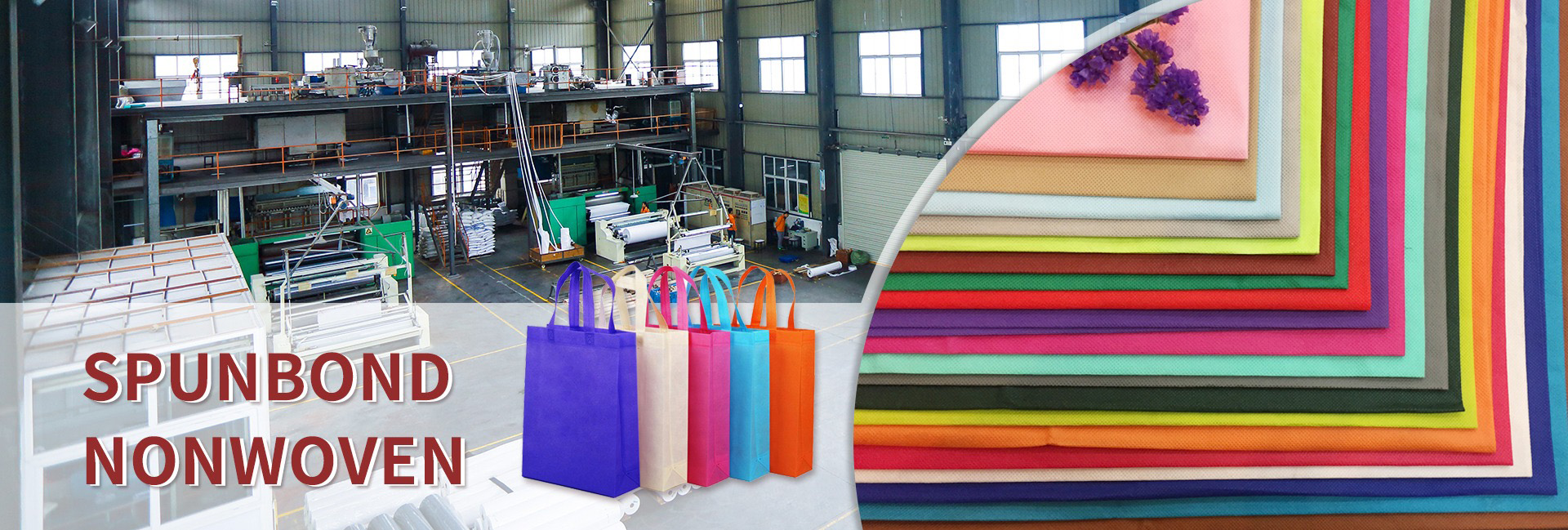
Dongguan Liansheng Non woven Technology Co., Ltd. was established in May 2020. It is a large-scale non-woven fabric production enterprise integrating research and development, production, and sales. It can produce various colors of PP spunbond non-woven fabrics with a width of less than 3.2 meters from 9 grams to 300 grams.
Post time: Jan-10-2026