
When summer arrives, many car owners face the same problem: parking their cars in an open-air parking lot, and after being exposed to sunlight for 2 hours, the temperature inside the car can soar to 68 ℃, the surface temperature of the dashboard can even reach 76 ℃, and the seat temperature can reach 62 ℃. Over time, the originally brand new interior gradually “ages” – the dashboard loses its luster, with numerous small cracks appearing, the seat fabric fades, becomes hard, and even peels off. This not only lowers the vehicle’s appearance, but also affects the residual value of the used car, with repairs costing thousands of yuan each time. In fact, the dashboard and seat fabrics can resist the sun and be durable for a long time. It is all the anti-aging “black technology” hidden in them. It is these inconspicuous material technologies that make the car interior free from the curse of “aging when exposed to the sun”.
Many car owners wonder why some cars still look brand new after 5 years of driving, while others crack or fade after only 1 year of driving, despite the same car interior? The core gap lies in the application of anti-aging technology. Traditional automotive interior materials, such as ordinary plastics and leather, can quickly break their molecular chains under high temperature exposure and ultraviolet radiation, leading to material brittleness and pigment decomposition, which is also the root cause of the interior’s “sun resistance”. Now, by upgrading the coating of the instrument panel, optimizing the material of the seat fabric, and implanting a variety of anti-aging “black technologies”, the car enterprises delay aging at the root, so that the interior remains intact after years of exposure to the sun. Today, we will take you to disassemble these protection codes hidden in the details.
Soft touch coating+modified base material, which is not sticky and cracked when exposed to the sun
The dashboard is the most easily exposed part of the car interior and also the most prone to aging problems – traditional dashboards may become white, cracked, and even “sticky” after 1-2 years of use, all caused by high-temperature hydrolysis and UV erosion. Nowadays, the dashboard of automobiles has perfectly solved this pain point through the dual black technology of “substrate modification+surface coating”. Even after long-term exposure to sunlight, it can maintain a smooth, non brittle, and non sticky surface.
Black technology one: Polycarbonate diol (PCDL) soft touch coating, which refuses to stick and resists chemical erosion.
Many car owners have had the experience of putting their arms on the dashboard after applying sunscreen in the summer, only to find that the coating was foaming and peeling the next day. This is because traditional polyester coatings cannot resist the erosion of active ingredients in sunscreen. The new generation dashboard adopts a two-component water-based PCDL-PUD coating, with polycarbonate diol (PCDL) as the core material. The carbonate bonds in its molecular chain are much more stable than those of traditional polyester, making it extremely difficult to be attacked by water molecules. This fundamentally eliminates the problem of high-temperature hydrolysis and sticking, and its hydrolysis resistance is 100 times stronger than traditional coatings.
At the same time, this coating is constructed with a rigid network structure by incorporating 10-20% isophorone diisocyanate (IPDI), which can effectively resist the penetration of chemicals such as sunscreen and alcohol. After testing, the coating remained intact without foaming or peeling even after being exposed to sunscreen for 48 hours at a high temperature of 80 ℃. In addition, PU microspheres and organic polymer matting powder are added to the coating, which can achieve an extremely matte effect (glossiness ≤ 1.5GU), avoid exposure to sunlight and reflection affecting driving safety, and provide a delicate soft touch, balancing practicality and luxury. The film thickness is controlled at 30-40 microns, thin and tough, and not easy to crack.
Black science and technology II: modified plastic base materials, build a solid anti-aging foundation. The base material of the instrument panel directly determines its anti-aging ability. The traditional ordinary plastic base material will accelerate aging at a high temperature above 80 ℃, and the molecular chain will break, leading to the material becoming brittle. Nowadays, car companies use modified polypropylene (PP) substrates with added hindered amine light stabilizers, antioxidants, and nano reinforced particles to form a synergistic protection system of “UV absorption free radical capture”, which can effectively absorb harmful ultraviolet rays in sunlight, interrupt oxidation reactions, and delay substrate aging.
Some high-end car models also add talcum powder and fiberglass to the substrate, which not only improves the rigidity and impact resistance of the dashboard, but also further enhances its weather resistance. After accelerated aging testing, the outdoor aging life of this modified substrate can reach 8-10 years, which is more than three times longer than traditional substrates. Even if it is exposed to long-term sunlight, it will not become brittle or crack, fundamentally improving the durability of the dashboard. Actual test data shows that the dashboard using this dual black technology can still remain intact after being exposed to sunlight for 3 years, without cracks or sticking, and the glossiness is still full.
Composite nonwoven fabric+new leather, avoiding fading and cracking
The seat is one of the most frequently used and aging prone parts in the automotive interior. The traditional PVC and PU leather seats are prone to fade, crack and peel after exposure to the sun, while the fabric seats will appear fiber embrittlement, pilling and snagging. The current seat fabric, through the black technology of “composite non-woven fabric reinforcement+new anti-aging leather”, can not only resist the sun, but also improve comfort and durability, making the seats as new for many years.
Black Technology 1: High strength anti-oxidation and wear-resistant composite non-woven fabric, enhancing durability and isolating aging erosion. The inner layer of many seat fabrics contains a layer of high-strength, anti-oxidation and wear-resistant composite non-woven fabric. This layer of non-woven fabric seems insignificant, but it is the core support of anti-aging seats. It adopts a three-layer composite structure of “surface layer+middle layer+surface layer”. The surface layer is made of polypropylene/polyamide composite spunbond non-woven fabric, which is coated with nano silica to reflect ultraviolet rays and improve wear resistance; The middle layer is made of PET long fibers modified by alkali treatment and silane coupling, combined with spunbond non-woven fabric added with hindered amine light stabilizers and antioxidants, which greatly improves the tensile strength and weather resistance.
This composite non-woven fabric is hot pressed and laminated at a high temperature of 160-165 ℃, with tight interlayer bonding and no easy delamination. The Martindale abrasion test can reach 200000 times, far exceeding industry standards. It can withstand daily friction while also isolating ultraviolet rays and high temperatures, avoiding aging of the inner layer of the seat fabric. At the same time, its excellent porosity can improve sound insulation and noise reduction effects, making driving more comfortable. After testing, this composite non-woven fabric can still maintain stable performance in high temperature environments above 80 ℃, and its service life can reach more than 5 years, which is 4 times longer than traditional non-woven fabrics.
Black Technology 2: Si TPV ultra durable leather/silicone leather, bidding farewell to fading and cracking. For leather seats, car companies are adopting Si TPV ultra durable leather or silicone leather to replace traditional PVC and PU leather, solving the aging pain points from the material perspective. Si TPV ultra wear-resistant leather is a high-performance thermoplastic elastomer that does not contain harmful substances such as plasticizers and DMF. It is environmentally friendly and odorless, and does not release harmful gases at high temperatures. At the same time, it has ultimate wear and scratch resistance. The Martindale abrasion test has reached 200000 times, and even long-term exposure to sunlight will not cause fading, cracking, or peeling. The touch is always delicate and smooth, and it can maintain warmth and comfort regardless of cold or heat.
Organic silicone leather is made from non-toxic and odorless liquid silicone rubber as raw material, with stable molecular chains and excellent aging resistance and flame retardancy. It will not harden or fade after high temperature exposure, and can resist the erosion of chemicals such as alcohol and beverages, making cleaning very worry free. These two new types of leather have extremely strong color expression, high color saturation, and pigments can be evenly dispersed inside the material rather than attached to the surface. After UV aging testing and exposure for 1000 hours (equivalent to 3 summers), the color change level is controlled at level 4 or above, and there is almost no fading, making them perfect for outdoor car exposure scenarios.
For fabric seats, car manufacturers use spunbonded fabrics dyed with anti-aging special color master batch. The color master batch is deeply integrated with the fiber, and the surface anti ultraviolet coating can not only prevent the UV erosion, but also avoid pigment decomposition. It is not easy to fade and pilling after exposure to the sun. The fiber strength reduction is controlled within 20%, which is more than 60% more durable than traditional fabric seats.
Comprehensive anti-aging protection, covering every detail of the interior
In addition to the dashboard and seats, anti-aging black technology has also been implanted in the door panel, central armrest, ceiling and other parts of the car interior to form a global protection, so that the entire interior can resist the sun erosion. For example, the door panel upholstery uses the same PCDL soft touch coating as the instrument panel, the center armrest uses Si TPV ultra wear-resistant leather, and the ceiling uses composite non-woven fabric with anti-aging masterbatch, which can not only enhance the high-level sense of the interior, but also delay aging.
In addition, some high-end models will also add nano silica particles to the entire interior material, which can reflect ultraviolet light, reduce the damage of ultraviolet light to the interior material, and improve the material’s hydrophobicity and anti fouling performance, avoiding rainwater and stains from penetrating and aging, making interior cleaning more worry free. Some car companies also adopt “infrared reflection technology” by adding infrared reflective agents to the surface coating of the interior, reducing the absorption of sunlight heat, lowering the high temperature inside the car, and delaying interior aging from the source. Tests have shown that interiors using this technology can reduce surface temperature by 8-10 ℃ and slow down aging rate by 40% after being exposed to sunlight for 2 hours.
Practical guide for car owners: choose the right interior+correct maintenance to make anti-aging black technology more durable
In order to make the anti-aging black technology of the car interior play its best role and extend the service life of the interior, it is important to select the interior materials and daily correct maintenance. These two details can extend the “fresh-keeping period” of the interior for another 3-5 years.
When selecting vehicles, the vehicles with “PCDL soft touch instrument panel”, “Si TPV/silicone leather seat” and “composite non-woven fabric interior” are preferred. You can check the description of “interior materials” in the vehicle configuration table, or consult the sales consultant to confirm whether anti-aging materials are used; At the same time, priority should be given to choosing light colored interior, as light colored seats absorb heat slower and age slower than dark colored ones. Avoid choosing dark colored leather seats, which age 40% faster than light colored seats.
In daily maintenance, pay attention to three points: firstly, avoid long-term exposure to the sun and park the vehicle in a garage or shady place as much as possible. If it needs to be parked outdoors, use a sunshade to cover the front windshield and reduce the exposure time of the dashboard and seats; Second, avoid scraping the interior with sharp objects, use mild detergent when cleaning, avoid using alcohol, gasoline and other irritant cleaners, and prevent damaging the anti-aging coating on the interior surface; The third is to regularly apply specialized care agents to leather seats, replenish grease, and prevent leather from cracking due to dryness. Fabric seats can be regularly vacuumed to prevent dust accumulation and fiber erosion.
To sum up, it is not an accident that the car interior is not afraid of sun exposure and cracking, but the anti-aging “black technology” hidden in the dashboard coating and seat fabric is silently guarding. From PCDL soft touch coating to composite non-woven fabric, from Si TPV ultra durable leather to nano protective particles, the application of these technologies not only solves the most headache inducing problem of interior aging for car owners, but also improves driving comfort and vehicle resale value. Choosing the right car models equipped with these cutting-edge technologies, coupled with proper daily maintenance, can keep the car interior in a brand new state even after years of exposure to the sun, which is both worry free and cost-effective.
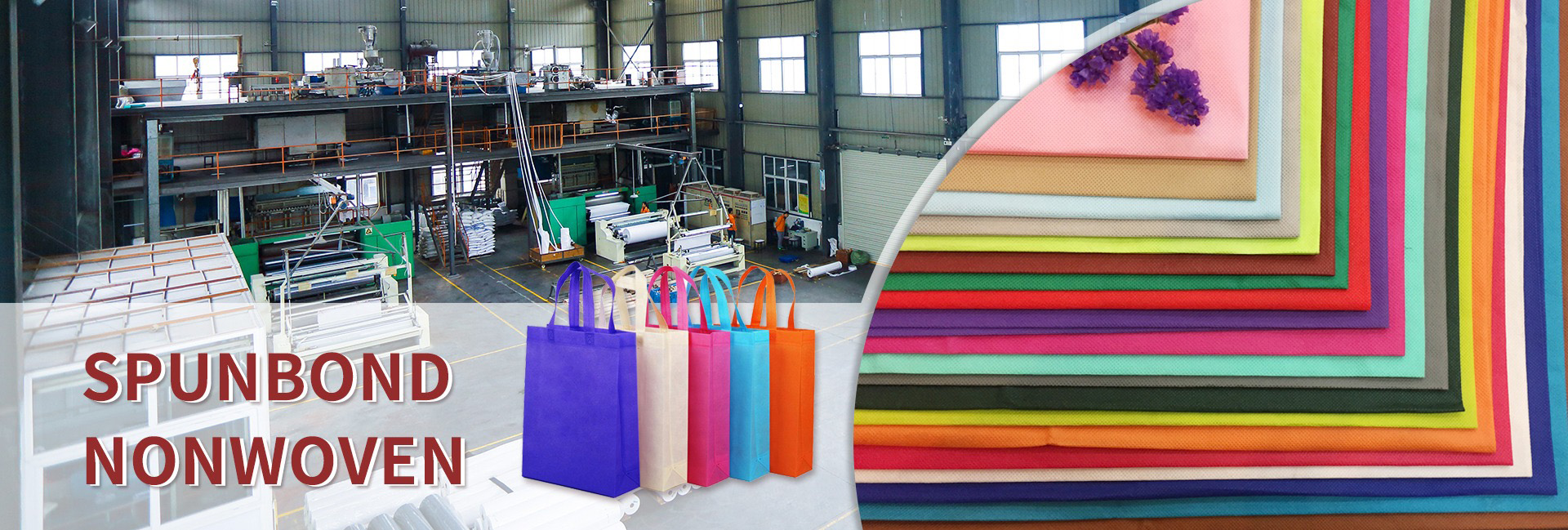
Dongguan Liansheng Non woven Technology Co., Ltd. was established in May 2020. It is a large-scale non-woven fabric production enterprise integrating research and development, production, and sales. It can produce various colors of PP spunbond non-woven fabrics with a width of less than 3.2 meters from 9 grams to 300 grams.
Post time: Apr-28-2026