
Disposable bed sheets have become the “guardian of hygiene” for people when traveling, staying in hotels, or going to beauty salons. Many people assume that this lightweight and portable disposable bedding is made of PP (polypropylene) nonwoven fabric material – after all, PP material is breathable and lightweight, which sounds very suitable for making disposable items.
But today we have to reveal an industry secret: the vast majority of disposable bed sheets on the market are not made of pure PP material at all! The reason why merchants do not take the initiative to explain is that they are afraid that you will find the quality poor and not buy it after knowing the truth. Today, let me explain everything in one go and help you distinguish the real material of disposable bed sheets, avoiding the intelligence tax on purchasing.
Why do people think disposable bed sheets are made of PP material?
There are two main reasons why there is a misconception that ‘disposable bed sheets=PP material’, and businesses intentionally use this to mislead consumers.
On the one hand, PP non-woven fabric is the most common and cost-effective type of non-woven fabric. The inner layers of shopping bags and masks we usually use are mostly made of PP material, which has the highest recognition among people. Merchants seize this opportunity and only label “non-woven fabric” on the packaging, assuming you associate it with PP material, without specifying the specific ingredients.
On the other hand, the “breathable and lightweight” characteristics of PP material perfectly match everyone’s expectations for disposable bed sheets. But pure PP material has a fatal flaw – it is too fragile, prone to shedding fluff, and has poor tensile strength, making it unsuitable for making bed sheets. Merchants can only use other materials as substitutes without actively informing them.
More importantly, many businesses tend to blur the concept in their promotion, using words such as “non-woven fabric” and “environmentally friendly material” to avoid emphasizing the importance and even labeling it as “PP grade non-woven fabric”, misleading people into thinking that it is pure PP material, but in fact, it only contains a small amount of PP component or does not contain PP at all.
4 mainstream ‘non PP’ materials for disposable bed sheets
Setting aside a few cheap and inferior products, there are mainly four types of regular disposable bed sheets on the market, all of which are PP “flat substitutes” with their own advantages and disadvantages. After reading them, you will never be fooled again.
The first type is polyester (PET) non-woven fabric, which is the most mainstream alternative material. The cost is slightly higher than PP, but it is sturdy, pull resistant, less prone to shedding, has a slightly hard feel, and has a slight plastic feel. Its breathability is worse than pure PP, and it may feel a bit stuffy after sleeping for a long time. However, it is sun resistant and not easy to age. Most disposable bed sheets used in beauty salons, massage parlors, and economy hotels are made of this material, emphasizing durability and peace of mind.
The second type is water jet non-woven fabric, which is the preferred choice for high-end products. Most of them are a mixture of polyester and viscose (wood pulp fiber) materials, completely free of PP, with a hand feel that is most like pure cotton, soft and skin friendly, with good breathability and no plastic feel, suitable for people with sensitive skin. Commonly used for high-end disposable bedding and medical bed sheets during travel, the cost is relatively high and the price is more than twice as expensive as regular ones.
The third type is SMS composite non-woven fabric, commonly used for medical/thickening purposes. The structure is “two-layer polyester spunbond+middle PP meltblown”, not pure PP as a whole. The outer layer of polyester is responsible for strong dirt isolation, while the middle PP meltblown layer is responsible for filtering and protection. It has moderate breathability and good waterproofness, suitable for travel and medical scenes, with a focus on safe dirt isolation.
The fourth type is adhesive/PLA material, which is rare but prone to pitfalls. Viscose fiber (artificial cotton) is soft and breathable, but it is easy to break and will rot when it comes into contact with water. Only low-priced thin styles will use it; PLA (corn fiber) is biodegradable and environmentally friendly, but it is expensive, rare in the market, and completely free of PP.
Why are disposable bed sheets rarely made of pure PP?
Many people may ask, since PP material is breathable, why don’t businesses use pure PP to make disposable bed sheets? The answer is simple: the drawback of pure PP is that it is not suitable for making bed sheets at all.
Firstly, pure PP material is too soft and has poor tensile strength, breaking easily when pulled, and is prone to shedding fluff. Sleeping all night on the body and bed is covered in fluff, resulting in a very poor experience. Secondly, PP material has poor sun resistance and is prone to aging and becoming brittle when exposed to light in bags for a long time, making it unsuitable for travel and carrying.
More importantly, the cost difference between polyester and PP is not significant, but polyester is much stronger and more durable than PP. From the perspective of cost and experience, businesses naturally prefer to use polyester instead of PP, which not only reduces the breakage rate but also reduces consumer complaints.
Another key reason is that the core demand for disposable bed sheets is “dirt isolation and durability”, rather than “ultimate breathability”. Polyester material can just meet this requirement, while the breathable advantage of PP is not so important in the use of disposable bed sheets.
3 steps to quickly distinguish whether it is made of pure PP material?
Without the need for professional tools, ordinary people can quickly distinguish and avoid the “fake PP” trap at home. Just remember these 3 steps.
The first step is to look at the labels. Legitimate products will be clearly labeled with “Ingredients: 100% polypropylene (PP)”. If only “non-woven fabric” and “environmentally friendly material” are written, it is likely to be polyester or mixed material. Please purchase with caution. Additionally, it should be noted that the labels must comply with national standards and indicate the applicable standards and safety categories. Products without labels are strictly prohibited from purchase.
Step two, feel the texture. Pure PP material is soft and fluffy, like thin cotton, with no obvious plastic sound when rubbed; Polyester material is relatively hard and smooth, with a slight plastic sound when rubbed, a cool feel, and not easily wrinkled.
Step three, simple testing. Soak a small piece of fabric in water, PP material does not absorb water and will float on the water surface; Polyester material absorbs water slowly and sinks to the bottom. Use with caution during combustion testing (pay attention to fire prevention), PP burns smokeless, has a wax smell, and may drip wax; Polyester burns with black smoke, a sweet taste, and can form hard lumps.
Don’t worry about PP, just choose according to the scene
Finally, let me give you a practical shopping guide. Don’t be obsessed with “pure PP”, choose according to the usage scenario, which is both cost-effective and worry free.
Travel use, pursuing skin friendly and breathable: choose hydroentangled non-woven fabric (polyester+adhesive), soft and not stuffy, suitable for sensitive skin; For use in beauty salons and massage parlors: choose polyester non-woven fabric, which is sturdy, stretch resistant, not easy to shed, and has a high cost performance ratio; Medical use and pursuit of dust-proof protection: choose SMS composite non-woven fabric, waterproof and dust-proof, with guaranteed safety; Temporary emergency, cheap: ordinary polyester non-woven fabric is enough, there is no need to spend a high price to buy “fake PP” style.
In fact, the core of disposable bed sheets is “hygiene and convenience”, and there is no absolute quality of material, only whether it meets the needs. Understanding these material differences, next time you buy disposable bed sheets, you will no longer be fooled by the “PP gimmick” of merchants, accurately avoiding pitfalls and using them more confidently.
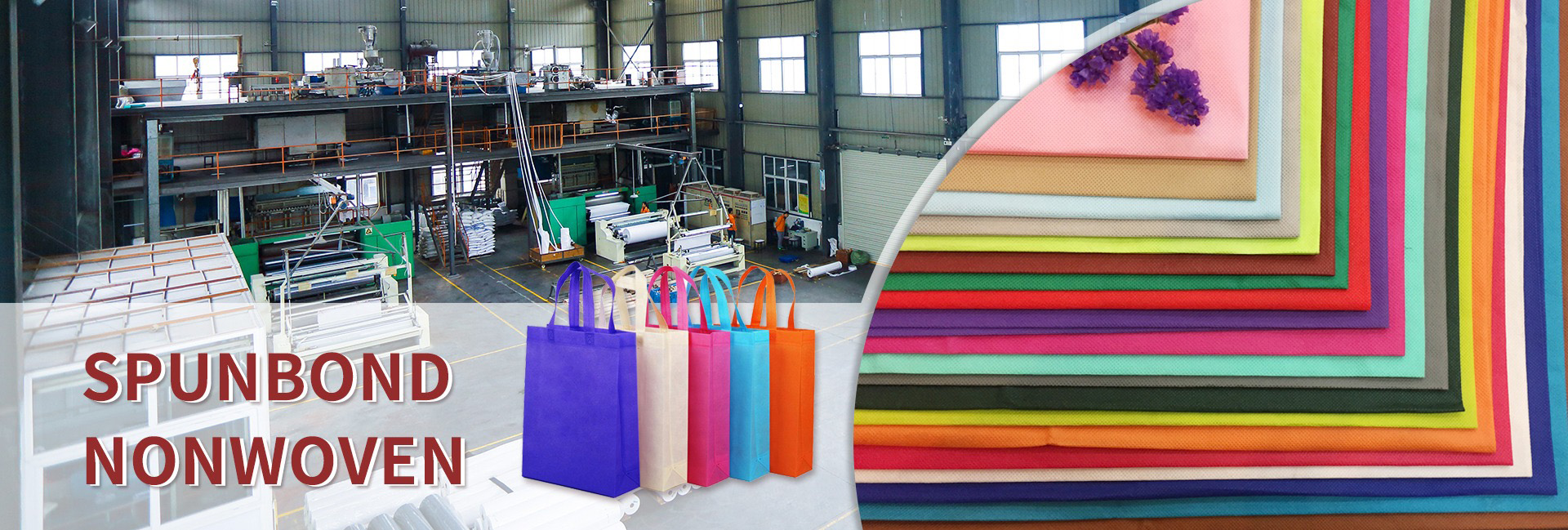
Dongguan Liansheng Non woven Technology Co., Ltd. was established in May 2020. It is a large-scale non-woven fabric production enterprise integrating research and development, production, and sales. It can produce various colors of PP spunbond non-woven fabrics with a width of less than 3.2 meters from 9 grams to 300 grams.
Post time: May-01-2026