
Who hasn’t been fooled by the promotion of “tear resistant, durable, and strong load-bearing” when buying storage boxes online? Especially non-woven fabric storage boxes, which have high appearance, are lightweight, can be folded, and are cheap in price. Many people place orders for “tear resistance”, but after using them for two or three months, they will collapse – the corners will crack, the fabric will pill, and they will tear at a pull. The clothes inside are not many yet, and the box will rot first.
Actually, it’s not that you’re unlucky, nor is it that the merchant is simply exaggerating the promotion, but rather the durability of the “tear resistant non-woven fabric storage box”, which has been hiding tricks from the beginning. Today, let me explain in one go why non-woven fabric storage boxes online are so durable. I will teach you how to avoid purchasing traps and never waste money again.
The ‘tear resistant’ non-woven fabric you bought is not really tear resistant
First of all, it is important to clarify a key point: non-woven fabric itself is divided into “easy to tear” and “tear resistant”. However, most low-priced storage boxes online use low-priced ordinary non-woven fabric, rather than real tear resistant non-woven fabric. Merchants only use promotional gimmicks to mislead consumers.
True tear resistant non-woven fabrics are mostly “polyester (PET) non-woven fabric” or “PP spunbond non-woven fabric thickened version”, with high fiber density and tight structure. After special treatment, they have strong tear and stretch resistance and will not rot after 1-2 years of normal use.
And the low-priced storage boxes you buy online are mostly made of thin PP non-woven fabric (with a weight of less than 30g/㎡), or even recycled non-woven fabric. This non-woven fabric has fine fibers and a loose structure, and it is not tear resistant. The so-called “tear resistant” is just a promotional slogan printed by the merchant on the packaging, and in reality, it has no tear resistance ability. When it is used to pack important clothes and books, it is easy to be stretched and torn.
What’s even more heart wrenching is that many businesses will do a simple film coating treatment on the surface of the fabric, which feels thick and firm to the touch, misleading you into thinking it’s a tear resistant material. However, film coating can only prevent dirt and slightly waterproof, and cannot improve the tear resistance of the fabric at all. After a long time of use, the film coating will fall off, and the fabric will break faster.
3 ‘invisible defects’ that cause the storage box to rot soon after use
In addition to the substandard material itself, there are three easily overlooked details that are also the “culprits” for the rapid damage of storage boxes, especially for low-priced models, which almost all have these problems.
The first one is that the edges and corners are not reinforced, and the stress points are the most easily broken. The corners and handles of the storage box are the most stressed areas in daily use – when loading and carrying things, all the weight is concentrated in these parts. But the low-priced storage box simply splices the fabrics without any additional reinforcement (such as adding canvas, Oxford cloth edging, or double stitching with needle and thread). After a few uses, the corners will crack and the thread will come loose, causing the entire box to be damaged.
The second one is poor support, and it is prone to deformation and damage due to long-term load-bearing. Non woven fabric itself is relatively soft and needs to be supported by built-in cardboard or plastic boards to maintain its shape. The built-in support material of low-priced storage boxes is mostly thin cardboard, which is easily deformed, softened, and even broken when exposed to moisture and load-bearing; Without support, the fabric will directly bear all the weight, and over time it will be stretched loose, pilling, and eventually damaged.
Thirdly, fabrics are prone to aging and environmental factors accelerate damage. Whether it is PP or polyester non-woven fabric, long-term exposure to damp and direct sunlight will accelerate aging – PP nonwoven fabric has poor sun resistance and will become brittle and crack under direct sunlight; A humid environment can cause the fabric to mold and soften, reducing its tear resistance. However, many people are accustomed to placing storage boxes on balconies or in corners of wardrobes, which can be left in unsuitable environments for a long time and naturally become unusable.
These 3 “gimmicks”, don’t be fooled anymore
The promotional rhetoric of online merchants may seem tempting, but in reality, they are all tricks, especially these three. Almost every low-priced storage box will use them, so they must be avoided.
Routine 1: “Thick non-woven fabric”=thin film covering. The “thickening” promoted by merchants mostly does not actually increase the weight of the fabric, but rather covers the surface of thin non-woven fabrics with a film, which feels thick and has no difference in tear resistance compared to ordinary thin fabrics. After the film falls off, it is more likely to rot.
Routine 2: “Tear resistance test”=false demonstration. Many product detail pages will display testing videos that are “unbreakable by hand”, but the videos use individual fabric samples instead of complete storage boxes – the samples are subjected to even force, while in actual use, the corners and handles of the storage box are subjected to concentrated force, which cannot achieve the effect of “unbreakable by hand”.
Routine 3: “Can bear XX pounds”=exaggerated promotion. The labeling of low-priced storage boxes as “capable of bearing 20 pounds or 30 pounds” is mostly based on ideal laboratory test data. However, when actually loading clothes and books, the weight is unevenly distributed, which can easily exceed the fabric’s load-bearing limit and cause damage.
Avoid traps and choose a truly durable storage box
In fact, there is no need to spend a lot of money. As long as you avoid clich é s and pay attention to these three points, you can choose a tear resistant non-woven fabric storage box that can be used for 1-2 years without wasting money.
1. Look at the fabric: prioritize “polyester non-woven fabric” or “PP spunbond thickened version”, with a weight of ≥ 50g/㎡, thick and textured to the touch, and not easily deformed when pulled; Avoid using “thin PP non-woven fabric” or “recycled non-woven fabric”, and simply pass through if it feels light, thin, and brittle.
2. Pay attention to details: Focus on the edges, corners, and handles, which must be wrapped with canvas or Oxford cloth. The stitching should be fine and firm, without any jumpers; The built-in support is made of hard plastic board (more durable and moisture-proof than cardboard), which is not easily deformed or broken when pressed.
3. Look at word-of-mouth: Avoid low-priced bestsellers (with a unit price below 20 yuan and a capacity greater than 50L), prioritize those with more feedback on “durability and tear resistance” in reviews, and avoid styles with more negative reviews such as “easy to break corners and stretch”.
In conclusion, the online “tear resistant non-woven fabric storage box” deteriorates within a few months due to substandard materials, cutting corners in details, and false advertising by merchants. As long as you remember to “look at the fabric, pay attention to the details, and avoid tricks”, you can choose a truly durable storage box, no longer need to replace it frequently, worry free and save money~
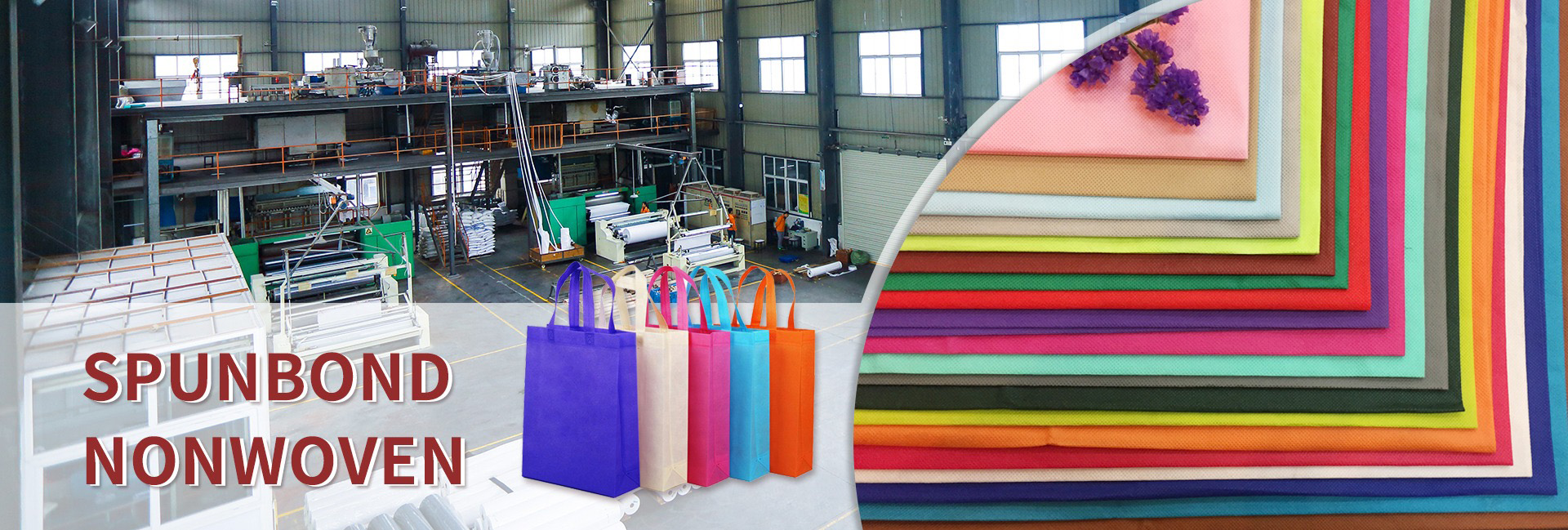
Dongguan Liansheng Non woven Technology Co., Ltd. was established in May 2020. It is a large-scale non-woven fabric production enterprise integrating research and development, production, and sales. It can produce various colors of PP spunbond non-woven fabrics with a width of less than 3.2 meters from 9 grams to 300 grams.
Post time: Apr-29-2026