
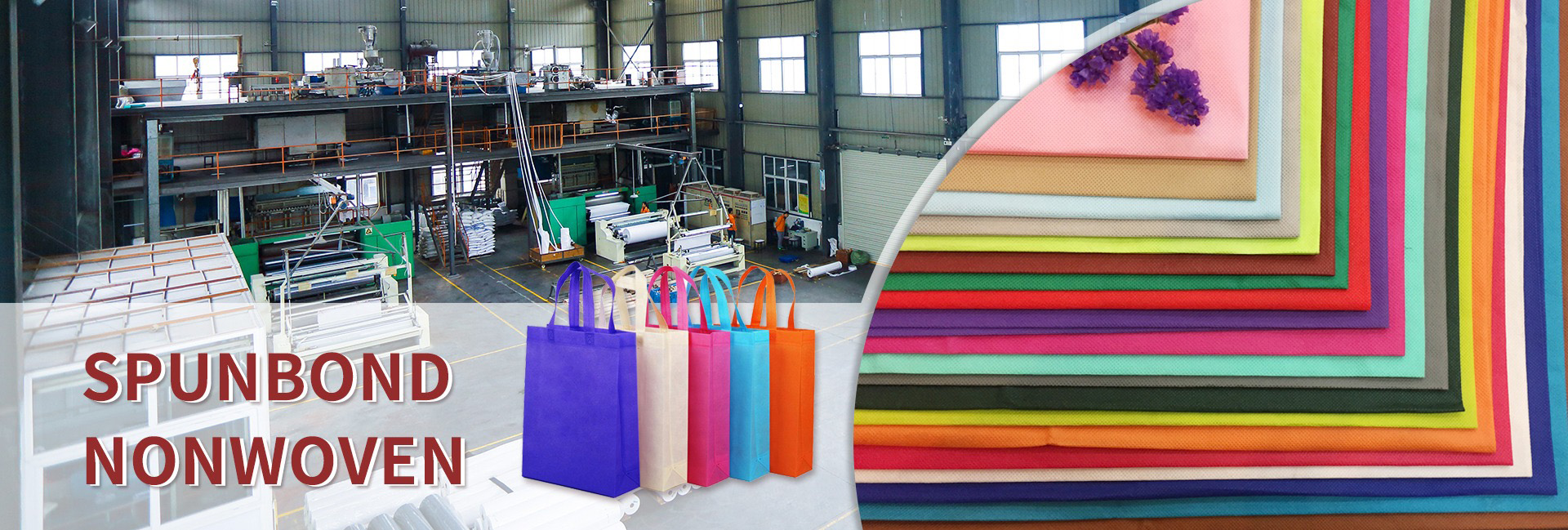
Fireproof non-woven fabric mainly protects passenger safety through two roles: one is as the basic flame-retardant material for high-speed rail interiors, preventing fires from the source; Secondly, as an external emergency protective equipment for new energy vehicles, it can control the situation after a fire occurs.
The main application scenarios and functions of fireproof non-woven fabric in two fields
High speed rail/rail transit
Fireproof non-woven fabric is applied to the interior of train carriages (seat fabrics, ceilings, floors, curtains, etc.). The function is passive fire prevention, delaying combustion, suppressing smoke, reducing toxic gases, and striving for critical time for passenger evacuation and rescue.
Fireproof non-woven fabric is applied to vehicle filters and sound insulation materials, providing necessary fire safety protection while meeting basic functions (filtration, sound insulation).
New energy vehicle
Fireproof non-woven fabric is used as a fire control blanket (fireproof blanket) for vehicles. It is used for proactive emergency response, covering vehicles in case of fire, and quickly suppressing open flames by physically isolating the air to prevent the fire from spreading to surrounding vehicles or facilities.
Fireproof non-woven fabric is used for battery pack bottom protection and car interior sound insulation components. As a “soft armor”, it provides flame retardant, impact resistant and other protection while being lightweight.
High speed rail: building a comprehensive “passive fire prevention” system
On high-speed trains, the safety function of fire-resistant non-woven fabrics is mainly reflected in strictly adhering to and implementing strict flame retardant standard systems.
Strict industry standards: High speed railway interior materials must comply with industry standards such as Q/CR 699 Technical Conditions for Non metallic Materials Flame Retardant of Railway Passenger Cars. These standards set different fire rating requirements for materials in different locations, such as seats, floors, and wall panels.
Multi performance testing: Qualified materials need to undergo a series of rigorous tests, including the “oxygen index” to detect the degree of non flammability, the “45 ° angle combustion” to evaluate the speed of combustion spread, the “smoke density” to control smoke concentration, and the “toxicity test” to limit the production of toxic gases.
Comprehensive safety coverage: Through this series of standards, fire-resistant non-woven fabrics not only ensure that they are difficult to ignite, but also effectively slow down the spread of fire, reduce smoke concentration, and suppress the generation of toxic gases in extreme situations, thereby creating valuable escape time for passengers.
New Energy Vehicles: Innovative “Active Emergency” and “Structural Protection”
For new energy vehicles, especially the unique risk of lithium battery fires, the application ideas of fire-resistant non-woven fabrics are more diversified.
Car fire control blanket: This is an innovative external emergency fire protection product. When a vehicle battery experiences a “thermal runaway” that leads to a difficult to extinguish fire, covering the body with this blanket made of composite materials such as fiberglass can quickly isolate the air and suppress open flames. Tests have shown that it can shorten fire disposal time by about 40%, buying time for professional rescue and personnel evacuation.
Vehicle grade structural components: Fireproof non-woven fabric is also directly integrated into vehicle design. For example, reinforced non-woven fabric can be used to manufacture the bottom cover of battery packs. This “soft armor” not only provides flame retardant protection, but also meets the demand for lightweight cars. In addition, it can also be used as a sound insulation material to help absorb high-frequency noise from motors.
Development Trends and Challenges
The application of fireproof non-woven fabric is developing towards a more intelligent, lightweight, and systematic direction:
Intelligence: An intelligent sensing automatic unfolding fire control blanket has emerged, which can automatically unfold and cover within seconds after detecting a fire source.
Lightweight and performance improvement: By using new processes such as “carbon fiber+glass fiber” composite materials, the weight of the new generation of fire control blankets has been reduced from 28 kilograms to a minimum of 11 kilograms, while the high temperature resistance has been improved.
Standardization: The development of group standards for new energy vehicle fire control blankets has been initiated, which will promote the transition of products from enterprise research and development to standardized production.
Of course, these applications also face some challenges, such as the high cost and weight of car fire control blankets, which are mainly suitable for emergency scenarios in public places and have not yet been popularized to home users. Industry experts generally believe that in order to completely solve safety issues, it is necessary to rely on the collaborative efforts of the entire industry chain, including battery technology, vehicle design, and fire management. Fire resistant materials are an indispensable and important part of this.
In summary, fire-resistant non-woven fabrics are evolving from traditional “behind the scenes” interior materials to comprehensive safety solutions covering “passive protection” and “active emergency”, playing an increasingly critical role in improving the safety of modern transportation.
Dongguan Liansheng Non woven Technology Co., Ltd. was established in May 2020. It is a large-scale non-woven fabric production enterprise integrating research and development, production, and sales. It can produce various colors of PP spunbond non-woven fabrics with a width of less than 3.2 meters from 9 grams to 300 grams.
Post time: Dec-31-2025