
The common question ‘Can’t this cloth burn?’ precisely exposes people’s biggest misconception about ‘fire prevention’. In fact, there are materials that truly cannot be burned, such as asbestos and ceramic fiber cloth, but they are often heavy, hard, and even harmful to the human body. The technological mystery of what we call “fireproof non-woven fabric” in our daily lives lies not in its “absolute inability to burn”, but in its intelligent control of combustion: it reacts actively when exposed to fire, quickly extinguishes itself after leaving the fire, and burns with low smoke and low toxicity.
It is like a well-trained guardian, whose goal is not to resist artillery fire, but to quickly and orderly extinguish flames while protecting the surrounding safety.
Core principle: Triple Line of Defense, Collaborative Operations
The “fireproof” ability of fire-resistant nonwoven fabric comes from the careful design of materials from micro to macro levels, usually constructing three collaborative defense lines:
Physical defense line: thermal barrier and suffocation effect
Fiber structure: The fluffy porous structure itself is rich in air and is an excellent insulation layer, which can delay the transfer of heat to the backlit surface.
Droplets and carbonization: Some flame-retardant fibers (such as modified polyester) quickly melt, shrink, and detach from the fire source when heated, taking away heat; At the same time, the flame retardant system promotes the rapid formation of a dense and sturdy carbonized layer on the fiber surface. This layer of charcoal is like “armor”, isolating the flammable substances inside from contact with oxygen and flames.
Chemical defense line: chain reaction that interrupts combustion
This is the most core technology. Flame retardants play a role in various stages of combustion:
Gas phase flame retardant: The flame retardant decomposes into free radicals when heated, capturing the active free radicals (such as H · and OH ·) that maintain the flame in the combustion chain reaction, and directly extinguishing the flame like a “fire extinguishing agent”.
Condensed phase flame retardant: promotes fiber dehydration and carbonization, forms the aforementioned insulation carbon layer, and reduces the generation of flammable gases.
Cooling effect: Some flame retardants (such as aluminum hydroxide) absorb a large amount of heat during decomposition, reducing the surface temperature of the material.
Security Line: Reduce secondary damage
High quality fire-resistant non-woven fabric not only has flame retardancy, but also pursues “low smoke, low toxicity, and resistance to melt droplets”. This means that even in extreme fire situations, it produces low smoke concentration, less toxic gases, and avoids burning droplets to ignite other objects or burn people, buying valuable time for escape.
Three mainstream technological schools
According to the implementation of the above principles, there are three main technical routes, each with its own advantages and disadvantages:
Post organizing type
Non woven fabrics made from ordinary fibers such as polyester and cotton are coated with a layer of flame retardant through immersion rolling and coating processes in the later stage. The lowest cost, flexible process, can quickly endow ordinary fabrics with flame retardancy. Poor flame retardant durability, prone to failure after washing and friction; The texture may become harder. Disposable protective equipment and decorative materials for short-term use.
Modified fiber type
Flame retardants are added to the spinning melt before spinning to produce fibers with permanent flame retardancy (such as flame-retardant polyester and flame-retardant adhesive), which are then used to produce non-woven fabrics. Long lasting flame retardant effect and washability; Good hand feel and balanced performance. The cost is higher than that of the post consolidation type; The flame retardant performance has an upper limit. Automotive interior, high-end home fabric, washable protective clothing.
Inherent flame retardant type
Directly using natural fire-resistant fibers (such as aramid, nitrocellulose, pre oxidized fibers, glass fibers, basalt fibers) to manufacture non-woven fabrics. Performance ceiling, high ultimate oxygen index, high temperature resistance, permanent flame retardant, and some materials also have high strength. High cost; Some fibers are difficult to process and may have a hard texture. Firefighting suits, military equipment, high-temperature filtration, aerospace.
Frontier trend
The pace of technology has never stopped, and today’s fireproof non-woven fabric is developing towards a more intelligent and integrated direction:
Multiscale and Nanotechnology: Introducing nanoclay, carbon nanotubes, etc. into fibers significantly improves carbonization and thermal insulation properties at extremely low addition levels, without affecting the hand feel.
Intelligent response and multifunctional integration: Develop “smart fabrics” that can adjust breathability according to temperature changes, or fire-resistant materials that have multiple functions such as antibacterial, anti-static, and electromagnetic shielding.
Green and Sustainable: Developing biobased flame retardants such as seaweed fibers and chitosan to reduce their impact on the environment and health, achieving full lifecycle environmental protection from production to disposal.
Summary
So, ‘fireproof non-woven fabric’ is not magic, but a precision engineering of materials science. Its core mystery lies in intelligently intervening in the combustion process through the synergy of physics and chemistry. From the affordable “post finishing” type, to the performance balanced “modified fiber” type, and then to the top-level “intrinsic flame retardant” type, different technological paths meet different safety needs from daily to extreme.
When making a choice, the key is to recognize your “fire scene”: is it a brief spark splashing or a continuous flame burning? Do you need to wash? What is the budget? By understanding these, you can understand the technical parameters and find the most suitable piece of “smart” cloth for you.
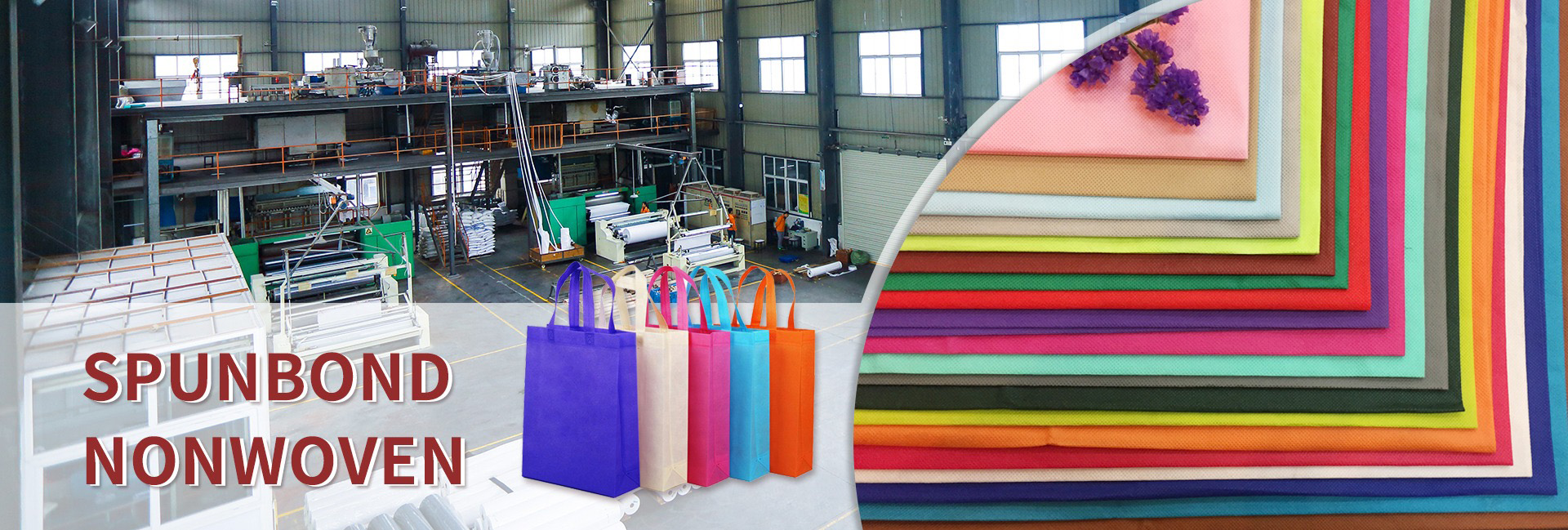
Dongguan Liansheng Non woven Technology Co., Ltd. was established in May 2020. It is a large-scale non-woven fabric production enterprise integrating research and development, production, and sales. It can produce various colors of PP spunbond non-woven fabrics with a width of less than 3.2 meters from 9 grams to 300 grams.
Post time: Dec-18-2025