
When the spotlight shone on the runway of Paris Fashion Week, a white floor length dress made of “corn” slowly walked over – the light skirt flowed like clouds, and the silky luster flowed under the light. Who would have thought that this stunning dress was made of corn starch from the fields. This type of corn fiber called PLA (polylactic acid) is revolutionizing the environmental narrative of the fashion industry, from solving the problem of “white pollution” in packaging materials to conquering the high-end customization stage with “green velvet”. Its magnificent transformation not only showcases the breakthrough of material technology, but also opens up a new era of sustainable fashion.
A Transformation Across Fields and Laboratories
The birth of PLA corn fiber began with a precise journey of biotransformation, each step embodying the wisdom of materials science, elevating ordinary crops into textile materials that are both environmentally friendly and high-performance.
Green raw materials nourished by sunlight
The story of PLA fiber begins with corn cultivation. Unlike petroleum based synthetic fibers that rely on non renewable fossil resources, corn fiber uses renewable corn starch as its core raw material and stores solar energy through photosynthesis to provide green energy for subsequent conversion. During the planting process, corn can absorb carbon dioxide from the atmosphere, forming a natural carbon sink effect and reducing the carbon emissions of the fashion industry from the source, contributing to the goal of “carbon neutrality”. In addition, PLA fiber has a wide range of raw material sources. In addition to corn, starch crops such as wheat, sugar beets, and sugarcane can be used as substitutes to provide sufficient raw material guarantee for the industrial chain.
Three Steps to Transform into Textile Fibers
The conversion from corn to fiber requires three key steps, each of which is precisely regulated to ensure the high quality of the final fiber:
1. * * Biological fermentation * *: After crushing and extracting starch from corn, the starch is converted into lactic acid through microbial fermentation, which is the core process of PLA production and determines the purity and performance of the final product.
2. * * Chemical polymerization * *: Lactic acid molecules undergo condensation reaction under the action of catalyst, forming high molecular weight polylactic acid (PLA) resin. By adjusting the polymerization process, the molecular weight and crystallinity of the resin can be accurately controlled, laying the foundation for subsequent fiber properties.
3. Melt spinning: PLA resin is melted, extruded, and spun to form continuous long or short fibers, which are then subjected to post-processing such as stretching and shaping to give the fibers strength, elasticity, and luster, ultimately becoming PLA corn fibers that can be used for textile processing.
It is worth mentioning that the entire production process has almost zero pollution and does not require the addition of harmful chemical additives. PLA fibers can be completely degraded into carbon dioxide and water in the natural environment, truly achieving a full lifecycle environmental protection loop of “originating from nature and returning to nature”.
The perfect balance between performance and aesthetics
PLA corn fiber’s ability to move from the laboratory to fashion week is not solely due to environmental gimmicks, but also stems from its performance advantages that rival traditional high-end fabrics, as well as its unique aesthetic expression, allowing designers’ creativity to run wild.
A skin friendly experience comparable to real silk
PLA corn fiber has a soft and smooth hand feel, with a natural delicate luster and excellent drape. When in contact with human skin, it presents a cool and skin friendly feeling similar to real silk, far exceeding traditional polyester fibers. Its weakly acidic chemical properties are close to the pH value of human skin, and it will not cause allergic reactions, especially suitable for sensitive skin groups, providing a new standard for the wearing experience of high-end dresses. At the same time, the density of PLA fiber is lower than that of polyester fiber, making clothing lighter. The weight of a floor length skirt can be reduced by 30%, making models more agile when walking and improving the comfort of daily wear.
Infinite possibilities of color and form
In the eyes of designers, PLA corn fiber is a “plastic and environmentally friendly canvas”, with excellent dyeing performance that can present rich color layers, from high saturation neon colors to soft Morandi color schemes, all of which can be perfectly presented. Through different spinning processes, various forms of fibers can be produced – long filament fibers are suitable for making flowing dress skirts, short fibers blended with cotton and wool can create delicate knitted fabrics, and ultra-fine fibers can imitate the luster and texture of silk, providing more creative possibilities for high-end customization. In addition, PLA fiber has good heat setting performance and can be molded into three-dimensional shapes through processes such as pleating and hot stamping, allowing the “corn dress” to shine with unique charm on the runway.
Sustainable Fashion Gene
The environmental advantages of PLA corn fiber are a perfect embodiment of the “sustainable luxury” concept pursued by high-end fashion. Unlike traditional chemical fiber production processes that emit large amounts of greenhouse gases, the production of PLA fiber can reduce carbon emissions by about 68%, and the raw materials are renewable, avoiding dependence on fossil resources. What’s even more surprising is that clothing made from PLA fibers can be completely degraded under composting conditions in about 6-12 months, without remaining in nature for hundreds of years like traditional synthetic fibers, nor releasing microplastics to pollute the ocean, providing a feasible path for the circular economy of the fashion industry.
Green Storm of Fashion Week: High end Fashion Practice of PLA Fiber
From New York to Paris, from London to Milan, PLA corn fiber is becoming the “new favorite” of major fashion weeks. Designers use creativity as a pen to write a colorful chapter of sustainable fashion with “corn fiber”.
Environmental Declaration of Advanced Customization
At Paris Fashion Week 2025, a gown featuring a combination of PLA 3D printing and traditional embroidery in the “Growth” collection launched by Dutch designer Iris van Herpen caused a sensation. The designer utilizes the biodegradable properties of PLA material to simulate the natural form of plant growth, and uses 3D printing technology to create delicate three-dimensional textures like leaf veins. Paired with hand embroidered PLA filament, the design philosophy of “fashion and nature coexist” is perfectly integrated with environmental protection concepts and artistic aesthetics.
Coincidentally, Chinese designer Marco showcased a series of “earth colored” dresses made from PLA corn fiber at the latest press conference of the “Useless” brand. These works are dyed with natural dyes, giving PLA fibers a deep and warm color through traditional grass and wood dyeing techniques. Paired with simple and smooth cuts, they not only reflect the restrained Eastern aesthetics, but also demonstrate a sustainable fashion attitude, making “environmental protection” no longer a label, but a gene integrated into the design soul.
Green Transformation of Light Luxury Brands
In addition to high-end customization, PLA corn fiber is also rapidly penetrating the light luxury market. The PLA blend suit series launched by Italian brand Stella McCartney combines corn fiber with natural fibers such as wool and linen, retaining the crisp texture of the suit while reducing the carbon emissions of traditional wool production. At the same time, it enhances the wrinkle resistance and breathability of the fabric, making business attire both environmentally friendly and comfortable.
The American brand Patagonia applies PLA fiber to outdoor clothing. Its PLA quick drying T-shirt utilizes the moisture wicking properties of corn fiber and combines antibacterial functions to provide outdoor enthusiasts with an environmentally friendly and high-performance wearing choice. The carbon footprint of each T-shirt is reduced by about 40% compared to traditional polyester fiber products, becoming a benchmark for sustainable outdoor fashion.
Breaking through bottlenecks and embracing a broader fashion future
Despite the impressive performance of PLA corn fiber in the high-end fashion industry, three core bottlenecks still need to be overcome to achieve large-scale popularization:
1. Heat resistance limitation: The glass transition temperature of PLA fiber is about 60 ℃, and it is prone to deformation in high temperature environments, which increases the difficulty of processing steps such as dyeing and ironing. At present, by copolymerizing with materials such as caprolactone, the heat-resistant temperature can be increased to over 100 ℃, creating possibilities for more application scenarios.
2. * * Cost Challenge * *: The production cost of PLA fiber is about 1.5-2 times that of traditional polyester fiber, which limits its application in the fast fashion field. With the breakthrough and large-scale production of the “one-step” polylactic acid production process, it is expected that the cost will decrease by 30% -50% in the next 5 years, gradually approaching the level of traditional chemical fibers.
3. * * Durability optimization * *: The UV resistance and abrasion resistance of PLA fiber need to be improved. By adding modifiers such as nano titanium dioxide, the anti-aging ability of the fiber can be enhanced, the service life of the clothing can be extended, and the transformation from “one-time fashion” to “long-term sustainability” can be promoted.
With the continuous iteration of technology, the application boundaries of PLA corn fiber are constantly expanding – from high-end customized dresses to daily casual wear, from functional sportswear to luxury home textiles, it is redefining the value scale of fashion as a “green material“. In the future, when consumers wear traditional Chinese clothing made from corn, they will not only choose a dressing style, but also a lifestyle that harmoniously coexists with nature.
From corn ears in the fields to dazzling costumes on the runway, the journey of PLA fiber is a dance of technology and aesthetics, and a profound practice of sustainable development by humanity. When environmental protection becomes the core value of fashion, and “from nature” becomes the source of design inspiration, this green revolution led by corn fiber will surely enable the fashion industry to pursue beauty while safeguarding our common earth home.
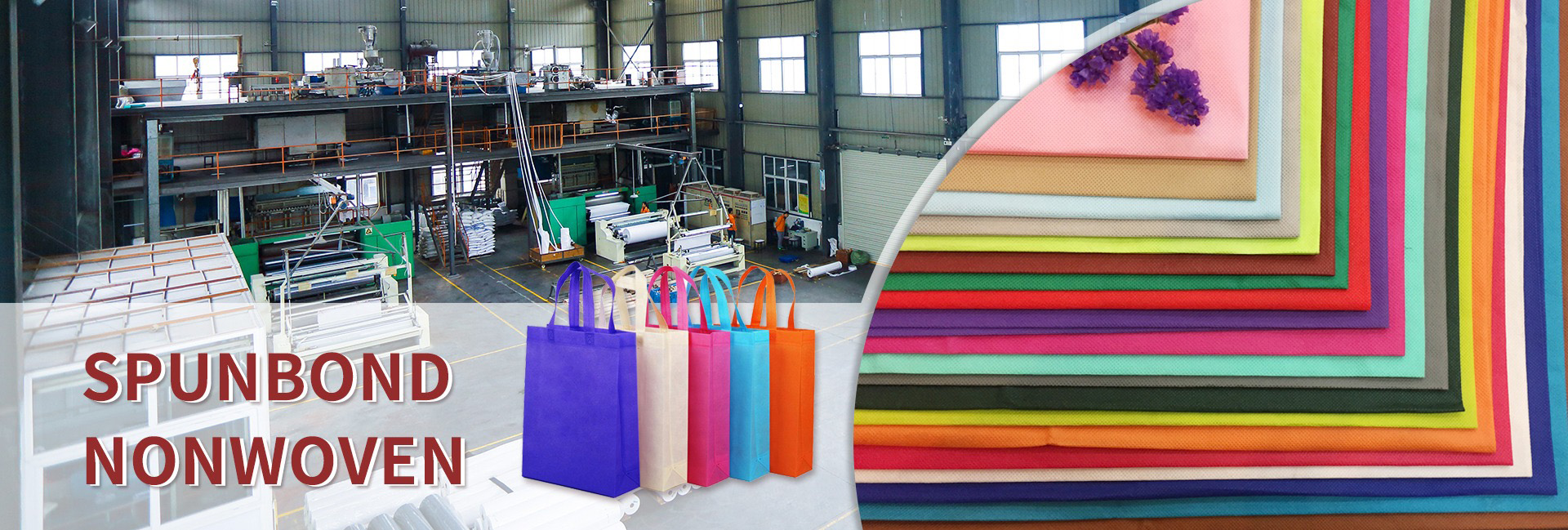
Dongguan Liansheng Non woven Technology Co., Ltd. was established in May 2020. It is a large-scale non-woven fabric production enterprise integrating research and development, production, and sales. It can produce various colors of PP spunbond non-woven fabrics with a width of less than 3.2 meters from 9 grams to 300 grams.
Post time: Feb-03-2026