
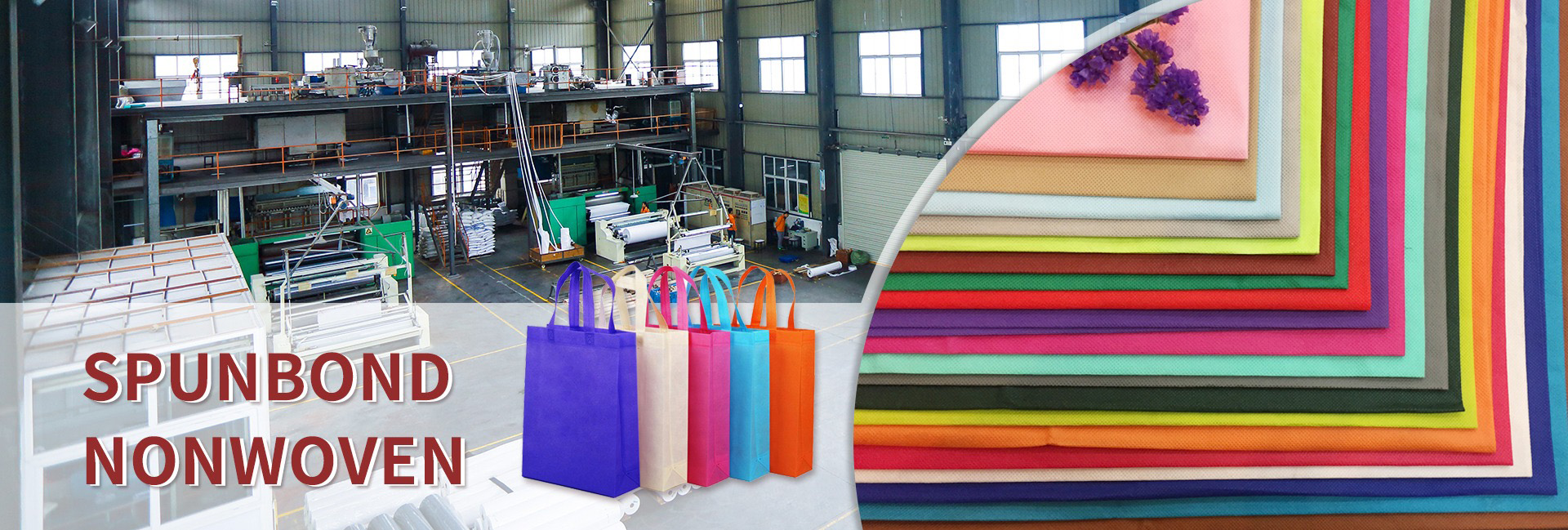
The non-woven fabric used in spring bags (usually referring to mattress spring cores, sofa spring bags, etc.) is a key accessory that affects their durability, comfort, and overall quality. Whether to choose correctly or not depends on whether it matches the functional requirements of the spring pack (wrapping, support, protection, breathability, etc.). The following will help you determine whether you have made the right choice from three aspects: core selection dimensions, common misconceptions, and judgment methods.
The core function of spring wrapped non-woven fabric: first clarify “what to use it for”
Before judging whether the selection is correct or not, it is necessary to first understand the role of non-woven fabric in the spring bag, and different uses correspond to different requirements:
Spring core wrapping layer: directly wrap a single spring or a whole set of springs to prevent spring displacement and wear on the outer fabric, while also considering breathability to avoid internal stuffiness.
Interlayer separation/buffer layer: located between the spring layer and the filling layer of sponge, latex, etc., it plays a role in isolation and support, and requires a certain strength and elasticity.
Bottom/edge reinforcement layer: enhances the overall support of the spring pack, especially the mattress edges, which need to be wear-resistant and tear resistant.
Choose the right 3 core dimensions: key indicators do not fall into pitfalls
Material: Polyester (PET) non-woven fabric, wrapped in spring core and reinforced at the edges (main material), low weight (50-80g/㎡); Polypropylene (PP) non-woven fabric, waterproof layer (used in small quantities), medium weight (80-120g/㎡); Adhesive fiber non-woven fabric, cushioning (breathable but low strength required), high weight (120-180g/㎡). Replacing polyester with polypropylene: poor wear resistance, easy to tear, replacing polyester with adhesive: easily deformed due to moisture, insufficient strength. Using needle punching instead of spunbond as a wrapping layer: prone to snagging and deformation, using hot rolling instead of spunbond: poor tear resistance, short lifespan.
Extra bonus point: Select “Special Features” based on the usage scenario
If there are higher requirements for spring bags, attention should also be paid to the additional performance of non-woven fabrics, which is also the advanced standard for “choosing the right”:
Waterproof: Choose “spunbond+waterproof coating” non-woven fabric in humid areas (such as southern Meiyu area) to prevent springs from getting damp and rusting.
Breathability: The mattress spring bag should preferably be made of “high breathable spunbond fabric” (with visible air hole density) to avoid internal stuffiness during sleep.
Flame retardancy: Children’s beds and hotel mattresses must comply with flame retardant standards (such as the national standard GB 20286), and non-woven fabrics with flame retardants should be selected (with testing reports).
Environmental friendliness: Home mattresses should avoid using non-woven fabrics with pungent odors, and prioritize using “food grade PP” or “low formaldehyde polyester” materials (merchants can be required to provide environmental testing reports).
Avoiding pitfalls guide: 3 quick ways to judge “wrong choices”
If you have already purchased a spring pack, you can quickly self check through the following 3 points:
Appearance: High quality non-woven fabric has a smooth surface without obvious burrs, and the density is uniform when viewed through light transmission; Poor quality fabric is rough, has holes or uneven thickness.
Touch sensation: The non-woven fabric wrapped in the spring should be “tight and resilient”, and not easily deformed or torn when pulled by hand; If it becomes loose and feels brittle when pulled, it is likely to be a low weight and poor quality material.
Smell: If there is no odor when smelled closely (slight fiber smell is normal), but if there is a pungent plastic or sour smell, it may be due to the production of recycled materials that do not meet environmental standards.
Summary: The core logic of “choosing the right”
There is no “absolute best” for spring pack non-woven fabric, only “compatibility”: For household regular mattress spring packs, priority should be given to selecting polyester spunbond non-woven fabric with a weight of 80-120g/㎡, which balances wear resistance, breathability, and cost-effectiveness; Sofa spring bag/edge reinforcement → Choose high weight (120g+) polyester spunbond non-woven fabric to strengthen support; Wet environment/waterproof requirements → Choose waterproof coated polyester non-woven fabric.
If you are purchasing a mattress/sofa for home use, you can refer to the above standards for inspection; If it is for production procurement, it is recommended to first test the wear resistance (lightly sanding the surface with sandpaper) and tear resistance (pulling with both hands) of the sample before placing a bulk order.
Dongguan Liansheng Non woven Technology Co., Ltd. was established in May 2020. It is a large-scale non-woven fabric production enterprise integrating research and development, production, and sales. It can produce various colors of PP spunbond non-woven fabrics with a width of less than 3.2 meters from 9 grams to 300 grams.
Post time: Sep-25-2025