
Masks have a certain filtering effect on the air entering the lungs. To achieve good filtering effect, the key lies in the core filtering layer! Meltblown material is the most important filtering material that must be used in disposable protective equipment masks. There are various types of mask fabrics on the market, including different levels of meltblown materials. Consumers who are not careful can easily buy low-quality meltblown materials. What conditions should be used for procurement? Today, let’s discuss the procurement of disposable flat masks together. Novice buyers can take a look. Have you chosen the right material for mask procurement?
Classification of materials for flat masks
In the medical industry, one of the main purposes of flat masks is to solve the problem of droplet borne diseases. Masks are usually made of three layers of non-woven fabric. The material is spunbond non-woven fabric+meltblown non-woven fabric+spunbond non-woven fabric. Short fibers can also be used in one layer to improve skin texture, namely ES hot-rolled non-woven fabric+meltblown non-woven fabric+spunbond non-woven fabric. The outer layer of the mask is designed to prevent droplets, the middle layer is filtered, and the memory absorbs moisture.
Flat mask specifications
Masks are divided into 2-layer non-woven fabric masks, 3-layer non-woven fabric masks, and 4-layer activated carbon masks. The size specifications are 17.5 × 9.5cm for adults and 15 × 9cm for children.
Raw materials for flat masks
2-layer mask: non-woven fabric, nose bridge strip, ear hook.
3-layer mask: non-woven fabric, nose bridge strip, ear hook, melt blown filter cloth.
Activated carbon masks: non-woven fabric, nose bridge strips, ear hooks, melt blown filter cloth, activated carbon cloth.
Material selection for flat masks
Firstly, it is important to confirm the grade and weight of the melt blown non-woven fabric. The main material of meltblown is polypropylene, which is an ultrafine electrostatic fiber cloth that can capture dust. After being captured by ultrafine electrostatic fibers, dust is extremely difficult to detach due to cleaning, and washing with water can also damage the electrostatic suction ability. Suitable levels for melt blown filtration of flat masks include: ordinary level, BFE95 (95% filtration efficiency), BFE99 (99% filtration efficiency), VFE95 (99% filtration efficiency), PFE95 (99% filtration efficiency), KN90 (90% filtration efficiency). The melt blown Booker weight range is 20-25g. If you are unsure about the weight, you can send a sample to the manufacturer for confirmation.
Secondly, it is important to confirm the activated carbon. If you need to make an activated carbon flat mask, you need to confirm the weight of the activated carbon cloth. Activated carbon cloth is made of high-quality powdered activated carbon as the adsorbent material, which is attached to a non-woven fabric substrate using polymer bonding materials. It has good adsorption performance, thin thickness, good breathability, and is easy to heat seal. It can effectively adsorb various industrial waste gases such as benzene, formaldehyde, ammonia, chlorine dioxide, etc. Mainly used for making non-woven activated carbon masks. The commonly used weights are 32g, 35g, 40g, and 45g.
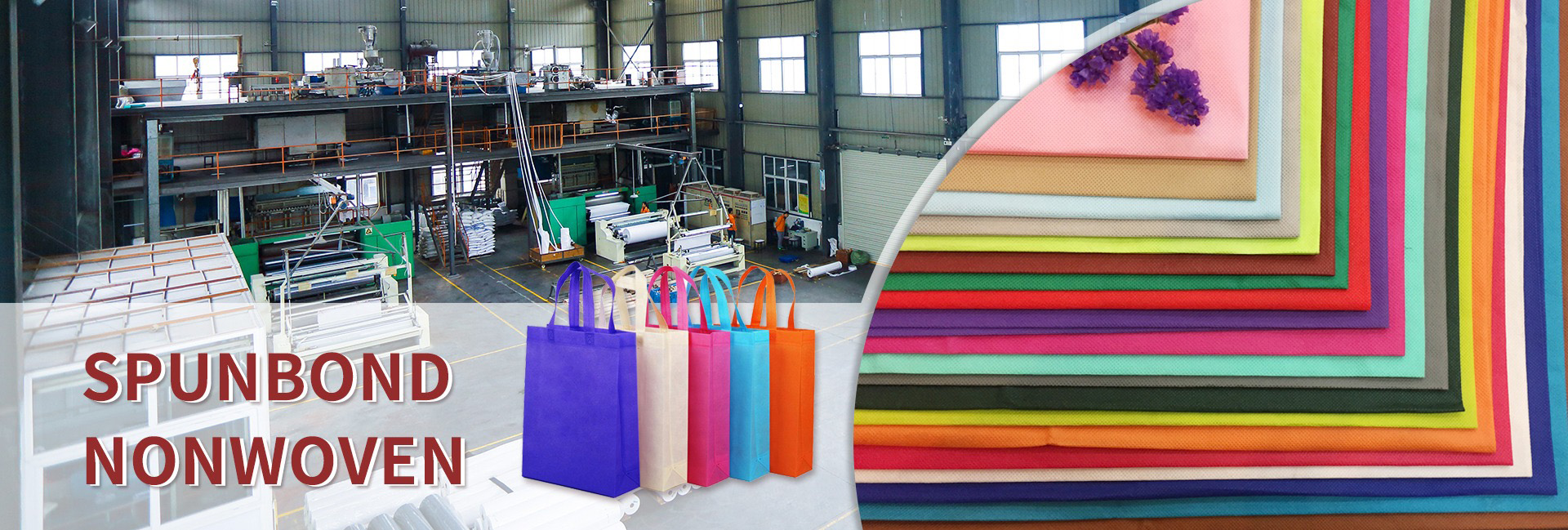
Thirdly, PP spunbond fabric. Determine the color, weight, and width of the spunbond fabric. All colors in the non-woven Pantone color card can be made, but each manufacturer produces their own color card. If the quantity is large, it is necessary to communicate the color with the manufacturer first. Next are weight and door width.
Post time: Feb-06-2025