
Introduction
Driven by consumption upgrading and green low-carbon dual wheels, the home textile industry is transforming from basic practicality to health, environmental protection, and refined functionality. Down pillows, feather pillows, and fiber pillows have become mainstream in the market due to their outstanding fluffiness and comfort. However, there are common pain points such as drill down and silk running, environmentally unfriendly fabrics, and insufficient durability. Traditional pillowcase lining fabrics are mostly single-layer ordinary non-woven fabrics or woven fabrics, which have poor anti velvet effect, are prone to aging, and have weak recyclability, making it difficult to match the current green home and quality sleep needs. The composite pillowcase special spunbond non-woven fabric is based on multi-layer structure composite, environmentally friendly raw material formula, and precise anti velvet design. It simultaneously achieves efficient anti drilling velvet, safe skin friendly, recyclable/biodegradable, becoming the preferred solution for pillowcase lining and functional fabric, providing reliable support for the greening and functionalization of home textiles.
Structural design and core advantages of composite spunbond nonwoven fabric
Multi layer composite structure: the core guarantee of anti drilling velvet
The composite pillowcase special spunbond non-woven fabric adopts a three-layer collaborative structure of spunbond filament base fabric, functional barrier layer, and skin friendly surface layer, which physically blocks the overflow of fibers. The base fabric is made of high-strength PP/PET spunbond filament, with a uniform web and balanced longitudinal and transverse strength, providing stable mechanical support; The intermediate barrier layer is processed through micro porous film coating, nano dense coating, and hot rolling densification, with pore size precisely controlled at the micrometer level, smaller than the diameter of down fibers and fine fibers, achieving “anti velvet and non air blocking”; Softening and anti-static treatment are applied to the surface to reduce friction and pilling, and minimize the power of the fibers to penetrate. This structure ensures a stable and superior drilling volume compared to industry standards, and long-term use does not cause shedding or drilling of fibers.
Environmental attributes: Green and friendly throughout the entire lifecycle
Environmental performance runs through the entire process of raw materials, production, use, and disposal. Priority should be given to using recycled PP/PET (compliant with GRS certification) or biobased biodegradable polymers (PLA/PHA) as raw materials to reduce the consumption of primary petroleum resources; The production adopts a one-step spunbond composite process, which is solvent-free, emits less, and has significantly lower energy consumption and carbon emissions than traditional weaving; The product has passed Oeko Tex Standard 100 safety certification, with no formaldehyde, carcinogenic aromatic amines, or fluorescent whitening agents, and is skin friendly and safe; After disposal, it can be recycled and granulated for reuse. The degradable product has a degradation rate of ≥ 90% in 180 days under industrial composting conditions, which meets the requirements of FZ/T 64104-2023 and EN 13432, reducing environmental load from the source.
Comprehensive performance of suitable pillowcase
This material has the characteristics of breathability, moisture permeability, softness, folding resistance, size stability, and easy sewing. The microporous structure ensures the rapid discharge of water vapor and prevents the pillow core from becoming damp and moldy; The fabric is flexible and does not harden, fitting the curves of the head and improving sleep comfort; After washing and repeated rubbing, the pillowcase is not easy to wrinkle, pill, or peel off, meeting the long-term use requirements; It can adapt to high-speed cutting and sewing, and is suitable for mass production in households, hotels, mother and baby industries, with outstanding cost-effectiveness.
Key technology and performance guarantee of anti drilling velvet
Micro scale aperture control technology
By online monitoring and precise hot rolling, the pore size of the composite layer is stably controlled at 5-15 μ m, which not only blocks more than 99% of down fibers and fine fibers, but also maintains air and water vapor permeability, solving the industry problem of “preventing fluff must not be breathable”. Comparative testing shows that the drilling amount of composite spunbond fabric is ≤ 3 fibers/30cm ², which is much better than the level of conventional non-woven fabric ≤ 20 fibers/30cm ².
Anti static and surface smoothing treatment
Velvet threading is often caused by electrostatic adsorption and frictional drag. Apply environmentally friendly anti-static and smoothing agents on the surface of the material to reduce surface resistance and minimize static accumulation; At the same time, optimize the smoothness of the fiber mesh, reduce the friction coefficient, make it difficult for the fibers to “grab” the fabric and thread it out, and maintain the fullness and cleanliness of the pillow core for a long time.
Washable, durable, and structurally stable
The composite layer adopts hot melt bonding and cross-linking curing, with no adhesive residue or delamination cracking; After 50 household washes, the retention rate of anti pillowcase performance is ≥ 90%, the decrease rate of strength is ≤ 10%, and the size change rate is ≤± 1%, meeting the needs of repeated cleaning and long-term use of pillowcases.
Environmental Value and Market Application Scenarios
Green Home and the Implementation of Dual Carbon Goals
Recycled materials can reduce carbon emissions and water consumption by 30% to 50%, while biodegradable materials can completely solve the problem of microplastic pollution, which is in line with the national “dual carbon” strategy and green product policy. In bulk procurement scenarios such as hotels, homestays, and health care institutions, environmental certification has become a core entry requirement, and composite spunbond non-woven pillowcases significantly enhance the brand’s green competitiveness.
Full coverage of segmented scenes
Home pillowcase: Suitable for down pillows, latex pillows, fiber pillows, anti velvet, breathable, easy to clean, suitable for the elderly, children, and allergy sufferers.
Hotel homestay: washable and durable, anti velvet and leak proof, improving the lifespan of linens and guest experience, reducing replacement costs.
Maternal and child care: safe and non irritating, antibacterial and mite resistant, environmentally friendly and biodegradable, protecting the health of sensitive populations.
Disposable/travel pillowcase: lightweight, hygienic, environmentally friendly and easy to handle, meeting the needs of travel and temporary protection.
Industrial upgrading and cost optimization
Compared to high-density anti velvet woven fabrics, composite spunbond non-woven fabrics reduce costs by 20% -40%, increase production efficiency by more than double, and reduce post finishing pollution. Using environmental protection as a selling point, the product’s premium ability is enhanced, driving home textiles from price competition to value competition.
Standard specifications and future development directions
Quality and Environmental Protection Standard System
The product must meet three major categories of standards: safety standards (GB 18401, Oeko Tex), environmental standards (GRS regeneration, compostable degradation), and performance standards (anti drilling velvet, strong, washable, breathable). Clearly label the raw material composition, regeneration/degradation properties, and anti velvet grade to assist consumers in making rational purchases.
Technological iteration trend
In the future, it will develop towards multifunctional integration, intelligence, and higher environmental protection levels: integrating antibacterial, mite proof, and mold proof functions to achieve dual protection of “anti velvet+health”; Develop bio based 100% biodegradable composite systems and move towards carbon neutral materials; Through digital technology, precise customization of aperture, weight, and breathability is achieved, adapting to different pillow cores and scenarios.
Conclusion
Composite pillowcase special spunbond non-woven fabric achieves efficient anti drilling velvet through structural innovation, practices green environmental protection through material innovation, and perfectly solves the functional shortcomings and environmental burden of traditional pillowcase lining fabric. Under the wave of environmental protection and quality consumption, this material will continue to penetrate into household, hotel, maternal and child care, health and other fields, promoting the home textile industry to upgrade towards greener, more functional, and more inclusive, providing solid material support for healthy sleep and sustainable home furnishings.
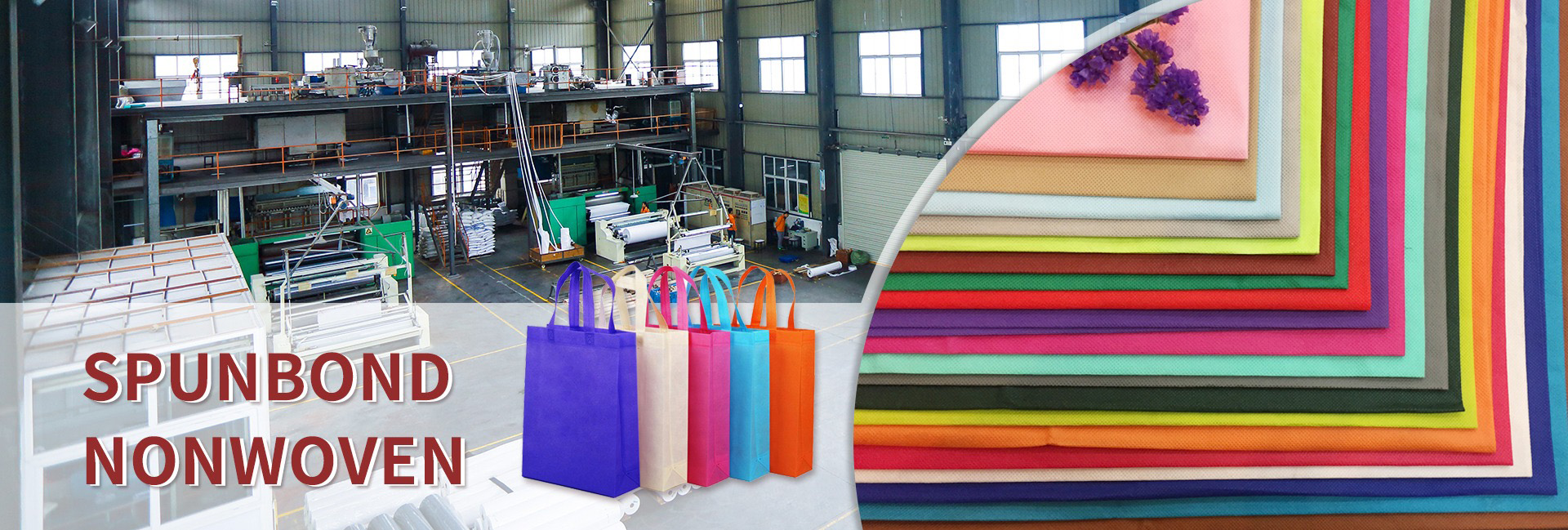
Dongguan Liansheng Non woven Technology Co., Ltd. was established in May 2020. It is a large-scale non-woven fabric production enterprise integrating research and development, production, and sales. It can produce various colors of PP spunbond non-woven fabrics with a width of less than 3.2 meters from 9 grams to 300 grams.
Post time: Mar-23-2026