
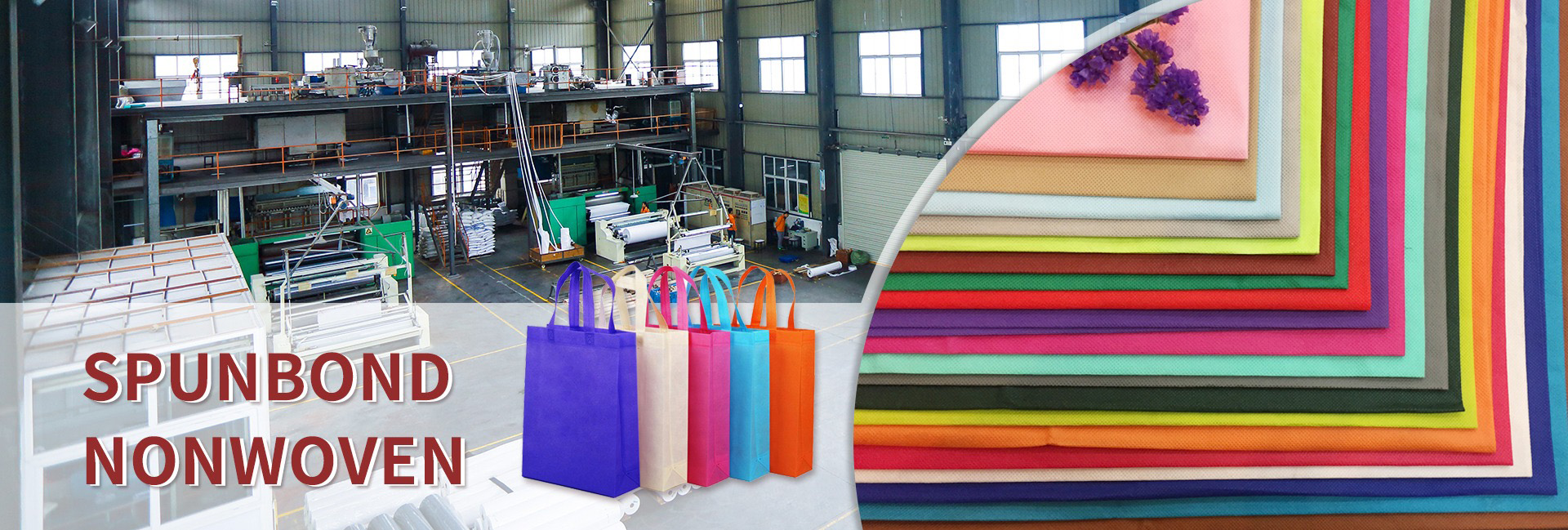
Environmentally friendly anti slip coating is indeed the core of achieving green development for the next generation of anti slip non-woven fabrics. It is not only a response to environmental trends, but also a key path to achieving better performance through technological innovation. Simply put, the next generation of products aims to achieve full lifecycle environmental protection by using environmentally friendly materials and innovating production processes without sacrificing or even improving performance.
The Implementation Path of Environmentally friendly Anti slip Coating
Core material innovation
Replace traditional petroleum based plastics with bio based or biodegradable polymers. Polylactic acid (PLA) fiber, aliphatic TPU, biodegradable polyurethane. Reducing dependence on fossil resources from the source, products can be naturally degraded or composted after disposal, alleviating “white pollution”.
Production process optimization
Using solvent-free or water-based formulations to replace solvent based coating processes containing harmful volatile compounds. Solvent free polyurethane coating and environmentally friendly solvent-free anti-skid coating process. The production process avoids the emission of volatile organic compounds (VOCs), making it safer and healthier; The finished product has no odor and is more skin friendly.
Functional Composite and Enhancement
Integrating environmental attributes with high-performance and multifunctional design. Composite styrene butadiene rubber in the coating enhances tensile and anti-skid properties, while adding natural minerals/fibers (wood pulp, kapok) to enhance functionality. Proving that environmental protection does not equate to low performance. The new material can have excellent anti slip, wear-resistant, high toughness characteristics, and additional functions such as antibacterial and skin friendly.
Full lifecycle design
Covering the entire process from production, use to waste recycling. Using recycled fibers, designing washable structures (such as certain spunlace nonwoven fabrics), and establishing a recycling system. Reduce resource consumption and carbon footprint, and promote the formation of a closed loop of “resources products renewable resources” in the industry.
Concrete manifestations of environmental advantages
Based on the above technologies, its environmental advantages are reflected in:
Source pollution reduction: Using bio based and biodegradable materials to reduce plastic waste from the source.
Process cleaning: The solvent-free process eliminates harmful gas emissions during the production process.
Easy to dispose of at the end: After the product reaches the end of its service life, it can be safely degraded through industrial composting or easily recycled and reused.
Why can environmental protection and high performance be achieved at the same time?
You may ask, will environmentally friendly materials sacrifice performance? In fact, through technological innovation, the new generation of products often performs better:
Slip resistance and durability: For example, by using an environmentally friendly solvent-free formula to composite TPU with styrene butadiene rubber, the coating can be endowed with good slip resistance, wear resistance, and high tensile strength, making it more durable.
Additional functions: By utilizing natural or safe materials such as chitosan and nano silver, the product can be endowed with additional functions such as antibacterial and antiviral, meeting high-end needs.
Industry Trends and Future Directions
At present, the entire non-woven fabric industry has regarded greening as a “must answer question” related to long-term development. Specifically in the field of non slip non-woven fabrics, trends include:
Standardization and Certification Systematization: Several companies in the industry have passed authoritative certifications for “biodegradable” and “washable” products, providing consumers with clear purchasing guidelines.
Collaborative innovation in the industrial chain: From green fiber materials to environmentally friendly coatings, and then to biodegradable designs, the entire industrial chain is working together to promote green transformation.
Cost reduction and popularization: With the maturity of technology and the expansion of production scale, the cost of environmentally friendly products is gradually decreasing and becoming more competitive in the market.
How to distinguish and choose?
As consumers, you can pay attention to the following points when making purchases:
View certification marks: Look for authoritative certification marks such as “biodegradable” and “washable” (for specific products).
Attention to Material Description: Pay attention to whether the product uses environmentally friendly materials such as polylactic acid (PLA) and biobased fibers.
Inquire about the production process: Prioritize products that use solvent-free and water-based coating processes, as these products are usually safer and have less odor.
Examine brand philosophy: Choose brands that have clear commitments and practical actions in sustainable development.
Conlusion
In summary, the “green trend” of the next generation of anti slip non-woven fabrics is a deep combination of material science, production technology, and environmental protection concepts. It is not a simple concept packaging, but a real product upgrade that can bring greater safety, high performance, and environmental responsibility.
Dongguan Liansheng Non woven Technology Co., Ltd. was established in May 2020. It is a large-scale non-woven fabric production enterprise integrating research and development, production, and sales. It can produce various colors of PP spunbond non-woven fabrics with a width of less than 3.2 meters from 9 grams to 300 grams.
Post time: Jan-07-2026