
The rise of green consumption
With the deepening of the “dual carbon” strategy and the awakening of public environmental awareness, the home industry is moving from traditional functional consumption to a new stage of green and sustainable consumption. Environmental protection, health, and recyclability have become the core considerations for consumers when choosing home textile products.
Pillowcases, as daily essential household items that come into close contact with people, have attracted much attention for their environmental attributes and ecological impact. For a long time, traditional pillowcases have been made of materials such as petroleum based spunbond fabric and synthetic fabrics, which rely on non renewable resources and are difficult to naturally degrade after disposal. A large number of discarded pillowcases have caused environmental problems such as soil pollution and white garbage accumulation, which contradicts the concept of green home development.
Driven by policy guidance, market demand, and industrial upgrading, the home textile industry is accelerating its low-carbon transformation and seeking green and environmentally friendly alternative materials has become a consensus in the industry. Fully degradable spunbond fabric, with its full cycle advantages of renewable raw materials, low-carbon production, harmless use, and biodegradable waste, breaks the environmental bottleneck of traditional fabrics and provides the best solution for the green transformation of the pillowcase industry, promoting the industry’s leapfrog development from “high consumption and low efficiency” to “low-carbon sustainability”.
Fully degradable spunbond fabric
Fully degradable spunbond fabric is a non-woven material made from biodegradable polymers such as polylactic acid (PLA) and PBAT through melt spinning and hot rolling processes, achieving full chain greening from raw materials to waste. Compared to traditional polypropylene (PP) spunbond fabric, its core advantage lies in completely solving the degradation problem. In natural environments such as soil and compost, it can be completely decomposed into carbon dioxide and water by microorganisms, with no residue or pollution, truly achieving ecological closure.
On the raw material side, fully degradable spunbond fabric uses biomass such as corn and straw as raw materials to replace petroleum based chemical raw materials, reducing fossil resource consumption and carbon emissions; On the production end, optimized processes result in lower energy consumption and fewer pollutant emissions, meeting the requirements of low-carbon production; At the user end, the spunbond fabric retains its breathable, soft, and skin friendly characteristics, adapting to the needs of pillow covers for close fitting use.
At the same time, it can be modified to provide anti mite, antibacterial, breathable and sweat wicking functions, balancing environmental friendliness and practicality, providing core support for pillow cover product upgrades.
Combining performance and environmental protection
Fully biodegradable spunbond fabric breaks through the industry pain point of “environmental protection not practical”, adapts to the production and use standards of pillowcases with excellent performance, and helps improve product quality and upgrade.
In terms of physical properties, the fabric has high tensile strength, is resistant to washing, and is not easily deformed or pilling, meeting the needs of long-term use and frequent washing of pillowcases; In terms of skin friendly experience, the fibers are delicate and soft, with good breathability, no stuffiness or irritation, suitable for mothers, infants, and people with sensitive skin; In terms of functional expansion, it can be equipped with anti mite and antibacterial technology to inhibit the growth of dust mites, reduce bacterial reproduction, and protect sleep health.
Compared to traditional fabrics, fully biodegradable spunbond pillowcases achieve triple value upgrades: in terms of ecological value, zero pollution, biodegradability, and reduced environmental burden; In terms of health value, there are no harmful chemical residues and it meets the OEKO-TEX ecological textile standards; In terms of market value, aligning with the trend of green consumption has become the key to brand differentiation and enhancing product added value, promoting the transformation of pillowcase products from basic daily necessities to green and healthy consumer goods.
Leading industrial upgrading
The large-scale application of fully biodegradable spunbond fabric is promoting the green innovation of the entire industry chain in the pillowcase industry. At the upstream level, drive the research and mass production of bio based biodegradable raw materials, reduce production costs, and improve the green raw material supply system; At the midstream level, it forces spunbond fabric production enterprises to upgrade equipment, optimize processes, and improve the quality and production capacity of fully degradable products; At the downstream level, promote home textile brands to accelerate the layout of green products, eliminate high polluting fabrics, and build a low-carbon production system.
At the same time, fully biodegradable spunbond fabric helps the pillowcase industry respond to policy calls, comply with industry standards such as green product certification and carbon reduction, and enhance the industry’s sustainable development capabilities. With the continuous maturity of technology, the cost of fully degradable spunbond fabric continues to decrease, and its application scenarios continue to expand. It not only reshapes the pattern of the pillowcase industry, but also provides a model for the green transformation of the home textile industry, driving the synchronous upgrading of categories such as mattresses, bedding, and home textile accessories, forming a green home industry ecology.
Future outlook
Under the theme of sustainable development, fully biodegradable spunbond fabric has become the core engine for the green transformation of the pillowcase industry. In the future, with the innovation of bio based material technology, the improvement of degradation efficiency, and the upgrading of functionality, fully degradable spunbond fabric pillowcases will achieve higher cost-effectiveness and better experience, fully replacing traditional synthetic fabrics.
From single product innovation to industrial transformation, fully biodegradable spunbond fabric not only changes the development direction of the pillowcase industry, but also promotes the concept of environmentally friendly home furnishings. Driven by green innovation, the home textile industry will continue to move towards low-carbon, ecological, and high-quality development, using environmentally friendly materials to protect healthy living and green industries to protect the ecological environment, contributing to the achievement of the “dual carbon” goal and a better living environment.
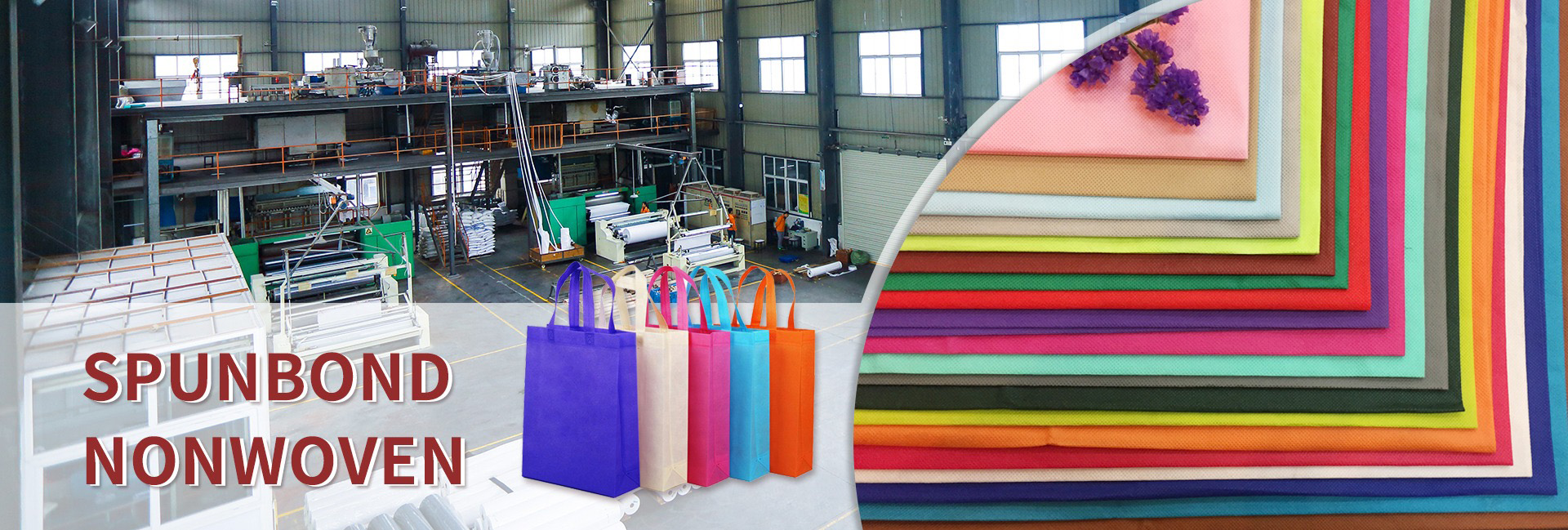
Dongguan Liansheng Non woven Technology Co., Ltd. was established in May 2020. It is a large-scale non-woven fabric production enterprise integrating research and development, production, and sales. It can produce various colors of PP spunbond non-woven fabrics with a width of less than 3.2 meters from 9 grams to 300 grams.
Post time: Mar-19-2026