
The competition between fire-resistant non-woven fabrics and traditional fire-resistant materials is essentially the evolution of material science thinking from “physical isolation” to “functional fibers”, which is a comprehensive consideration of safety, efficiency, and cost in different eras.
Core Differences and Positioning
Material essence
Fireproof non-woven fabric is made of fiber functional materials. By adding flame retardants or using intrinsic flame retardant fibers such as aramid and nitrile chlorinated polyester, flame retardancy can be achieved at the fabric level. Traditional fire-resistant materials use structural/covering materials. The insulation layer is formed by relying on the non flammability of the material itself (such as gypsum, rock wool) or physical changes after heating (such as coating expansion). The core difference lies in active protection vs passive defense.
lightweight
Fireproof non-woven fabric has an absolute advantage. Lightweight and soft, with almost no burden on load-bearing structures, it is the first choice for achieving lightweight design. Traditional fire-resistant materials bear a significant burden. High density and heavy weight increase the overall structural load. The core difference lies in design flexibility and energy efficiency.
comprehensive cost
Fireproof non-woven fabric has a high cost of raw materials, but the installation, transportation, and secondary processing costs are extremely low. Easy to cut and sew, saving time and labor. Traditional fire-resistant materials have relatively low raw material costs, but they are complex to install, time-consuming, and have high overall costs. Professional construction is required, making changes difficult. The core difference lies in the explicit cost vs implicit cost.
Performance Characteristics
Advantages of fireproof non-woven fabric: flexibility, breathability, good processability (composite, bonding), and multiple functions such as flame retardancy, heat insulation, and sound absorption. Limitations: The absolute fire resistance limit is usually lower than that of top traditional materials, and the high-strength mechanical properties are insufficient.
Advantages of traditional fire-resistant materials: high fire resistance limit (such as Class A non combustible), strong structural strength, and excellent durability. Limitations: Rigid, non bendable, single function, difficult to adjust after installation. The core difference lies in multifunctional integration versus single high-performance.
Typical Applications
Fireproof non-woven fabric is applied in the interior of transportation vehicles (aircraft cabin walls, car seats), detachable fireproof curtains/doors, special protective clothing, high-end electrical insulation, and building soft bags. Fireproof covering for building load-bearing walls, fire-resistant coatings for steel structures, fire-resistant door cores, pipe wrapping, and high-temperature industrial equipment. Dynamic/Composite Scene vs Static/Heavy Scene.
Is it substitution or evolution? The key lies in scene adaptation
The two are not simply substitutes, but complementary and integrated. The key to choosing is to finely define “performance”:
When ‘performance’ refers to ‘protective effectiveness per unit weight’, non-woven fabric wins
Scenario: Aerospace, new energy vehicles, high-speed rail. In these fields, reducing every gram of weight is directly related to energy efficiency and performance. Flame retardant non-woven fabric, as an interior and insulation layer, is the only way to achieve a win-win situation of safety and lightweight.
When ‘performance’ refers to ‘ultimate fire resistance duration and structural strength’, traditional materials cannot be replaced.
Scenario: Fireproof enclosure of building fire partition walls, load-bearing steel columns, and thermal insulation of chemical plant reactors. What is needed here is a ‘fortress’ that can withstand hours of intense fire, and the absolute fire resistance limit and stability of the material are the primary indicators.
Fusion applications have become a new trend
For example, “traditional materials are used as the skeleton, non-woven fabric is used as the functional layer”: a partition wall is constructed with light steel keel and fireproof board to ensure the structure, while high-performance fireproof non-woven fabric is used as the sound-absorbing and moisture-proof filling layer inside. Alternatively, ultrafine glass fiber non-woven fabric can be combined with traditional fire-resistant coatings to enhance the adhesion and crack resistance of the coating.
How to Make Wise Choices: A Decision Framework
When facing specific projects, it is recommended to make decisions according to the following logic:
Step 1: Define the priority of core requirements
Please rank the following indicators in order of importance: weight>fire resistance limit>installation flexibility>comprehensive cost>multifunctionality. Different sorting will directly point to different material categories.
Step 2: Examine the essence of the application scenario
Is it ‘mobile’ or ‘fixed’? Mobile carriers (cars, ships, airplanes) should prioritize non-woven fabrics.
Is it ‘in contact with the human body’ or ‘building structure’? Comfortable and soft non-woven fabric is preferred for soft bags and clothing that come into contact with people; The building structure is made of traditional materials.
Is it “temporary/variable” or “permanent/fixed”? Non woven fire-resistant blankets can be used for temporary partitions and maintenance; Permanent walls are made of fireproof boards.
Step 3: Calculate the full lifecycle cost
Don’t just look at the unit price of materials. Calculate material costs+installation labor costs+post maintenance/replacement costs+operational savings due to weight reduction. In a large number of standardized applications, the comprehensive economy of non-woven fabrics is often highlighted.
Conclusion
In summary, there is no absolute winner in this game. Fireproof non-woven fabric represents the development direction of materials towards lightweighting, integration, and functionalization, which is constantly eroding the market of traditional materials in the vast middle zone that does not require ultimate performance. Traditional materials, on the other hand, hold their ground in the core safety field where regulations mandate absolute reliability.
The future trend will inevitably be the blurring of the boundary between the two and collaborative innovation – for example, combining the powder of traditional inorganic fire-resistant materials into non-woven fibers to create a new generation of composite materials that combine softness and high fire-resistant properties.
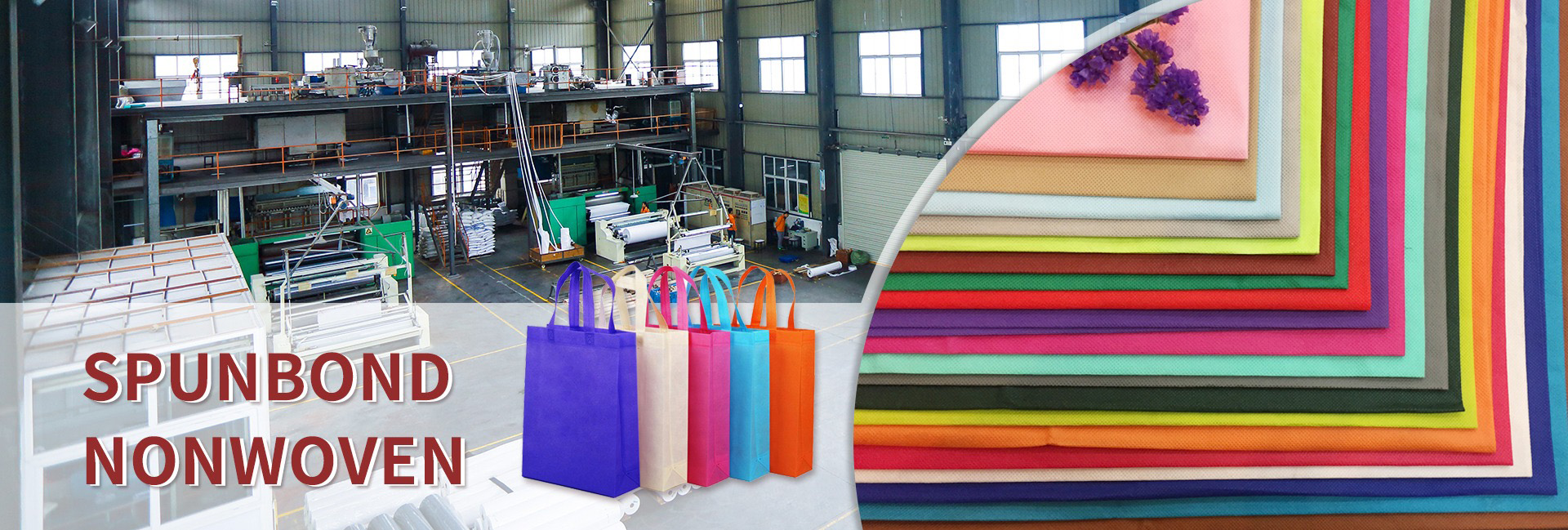
Dongguan Liansheng Non woven Technology Co., Ltd. was established in May 2020. It is a large-scale non-woven fabric production enterprise integrating research and development, production, and sales. It can produce various colors of PP spunbond non-woven fabrics with a width of less than 3.2 meters from 9 grams to 300 grams.
Post time: Dec-20-2025