
For a long time in the past, the core demands of the pillowcase market were focused on durability, wear resistance, washability, and low cost. Traditional textile fabrics and ordinary spunbond fabrics dominated due to their stable performance.
But with the upgrading of consumer concepts, the improvement of health awareness, and the continuous segmentation of scene demands, the market’s requirements for pillowcases are undergoing a fundamental change: from emphasizing durability to paying more attention to hygiene, safety, antibacterial, mite proof, cleanliness, and disposable convenience. As an important substrate in the field of pillowcases, spunbond non-woven fabric has also undergone a comprehensive upgrade in demand structure, functional standards, and application scenarios.
From ‘longer use’ to ‘healthier use’
Traditional pillowcases are mainly consumed through “repeated use and long-term replacement”, with consumers placing greater emphasis on durability, durability, and low price. But in recent years, there has been a significant change in the demand for pillowcases among hotels, homestays, health care institutions, maternal and child families, hospital wards, and business travelers: people are more concerned about whether they are clean, whether they inhibit bacteria, whether they reduce allergens, and whether they can avoid cross infection. Especially in the post pandemic era, “hygiene priority” has become an important consensus in home textile consumption.
Pillows come into close contact with the face and respiratory tract every day, and are prone to residual sweat, oil, and dandruff, becoming a breeding ground for bacteria and mites. Traditional reusable pillowcases, even after cleaning, may still contain residual microorganisms, mite bodies, and excrement, posing health risks to sensitive skin, rhinitis patients, children, and the elderly. The market demand has shifted from “durability first” to “hygiene first”, promoting the upgrading of spunbond nonwoven fabrics from ordinary economic types to advanced functions such as antibacterial, mite resistant, clean, disposable, and isolation protection.
Adapting to the new requirements of sanitary pillowcases
The reason why spunbond non-woven fabric can quickly meet the hygiene needs of the pillowcase market is that its material properties are highly compatible with modern usage scenarios.
1. High cleanliness, safer source
Spunbond non-woven fabric is formed by high-temperature melt spinning, with a clean production process and no spinning residue. It can effectively control the initial bacterial count and is suitable for scenarios with high hygiene requirements.
2. Can be used once to avoid cross infection
Disposable spunbond pillowcases are ready to use and can be discarded, eliminating the need for washing, drying, and storage, and fundamentally preventing bacterial cross infection caused by repeated use. They have quickly become popular in hotels, hospitals, health centers, beauty salons, and other places.
3. Functionally modifiable to achieve antibacterial and mite resistant properties
Through blending or post finishing processes, spunbond fabrics can be endowed with efficient antibacterial and mite inhibiting effects, with high inhibition rates against common bacterial species such as Staphylococcus aureus and Escherichia coli, while reducing dust mite attachment and reproduction, significantly improving sleep hygiene levels.
4. Breathable and skin friendly, no stuffiness or covering
High quality spunbond fabric has uniform fiber mesh, good breathability, soft and comfortable contact with the face, and will not produce a stuffy feeling, suitable for long-term close use.
5. Good barrier performance, effectively isolating pollutants
Spunbond non-woven fabric can to some extent block sweat, scalp oil, and dandruff from penetrating into the pillow core, keeping the inside of the pillow core clean and dry, and extending the service life of the pillow.
These advantages make spunbond non-woven fabric no longer just a “cheap and durable” base material, but an upgraded preferred substrate for sanitary and protective pillowcases.
Driving demand from home to multi scenario specialization
The shift in demand from “durability” to “hygiene” has greatly expanded the usage scenarios of pillowcases, driving a continuous change in the demand structure for spunbond nonwoven fabrics.
1. Hotels and homestays: One time cleanliness becomes standard
The hotel industry has raised the hygiene requirements for bedding, and disposable spunbond pillowcases have rapidly become popular, which not only improves the stay experience but also reduces the cost and loss of linen washing, and better meets the hygiene expectations of travelers for “one guest, one exchange”.
2. Medical and nursing institutions: protection first, safety first
Hospital wards, rehabilitation centers, and nursing homes have strict measures for cross infection prevention and control. Antibacterial, isolation, and disposable spunbond pillowcases have become essential to ensure the respiratory health and skin safety of patients and the elderly.
3. Maternal and child families and sensitive populations: Anti mite and antibacterial measures have become mandatory indicators
Infants and young children have delicate skin and sensitive respiratory tract. Families prefer to choose antibacterial and mite resistant spunbond pillowcases, pursuing safety, non irritation, low sensitivity, and cleanliness.
4. Travel, camping, emergency use: Portable hygiene is more popular
Travel portable pillowcases, camping disposable pillowcases, and emergency protection pillowcases are growing rapidly. The spunbond non-woven fabric is lightweight, clean, and easy to carry, perfectly suitable for temporary accommodation and outdoor scenarios.
5. Beauty salons and SPA facilities: stricter facial contact
The beauty industry requires disposable pillows and pillowcases to avoid cosmetic residue and bacterial infection, and spunbond non-woven fabric has become the mainstream choice in the industry.
The specialization of the scene directly promotes the transformation of spunbond nonwoven fabrics from “universal” to functional, standard, and certified types, significantly increasing the market’s demand for product quality.
Future Trends
The changing demand for spunbond non-woven fabrics in the pillowcase market also indicates the future direction of the industry:
Firstly, the hygiene standards continue to be upgraded
Antibacterial, mite resistant, low bacterial, and low sensitivity will become basic requirements, and relevant testing standards and certifications will become more popular.
Secondly, the functions are more segmented
In addition to antibacterial and mite prevention, the functions of breathability, waterproof and oil resistant, soft and skin friendly, and high barrier will be further refined to meet the needs of different scenarios.
Thirdly, develop towards biodegradability at once
Under the promotion of environmental policies and green consumption, fully biodegradable spunbond fabric will gradually enter the pillowcase market, realizing the dual value of “hygiene+environmental protection”.
Fourth, high-quality alternatives to low-end and low-priced alternatives
Consumers are willing to pay a premium for safer, healthier, and more comfortable products, and low-end thin spunbond fabrics will gradually be replaced by high weight, high softness, and high hygiene products.
Conclusion
The pillowcase market is undergoing an important demand upgrade: from “durable” to “hygienic”, from “reusable” to “clean and safe”, and from “universal fabrics” to “functional materials”. Spunbond non-woven fabric has become a key material supporting this transformation due to its advantages of cleanliness, antibacterial, mite resistant, one-time convenience, and adaptability to multiple scenarios.
In the future, as health consumption continues to deepen, spunbond non-woven fabrics will play a more important role in the pillowcase market, driving the industry to continuously evolve towards a more hygienic, safe, functional, and environmentally friendly direction.
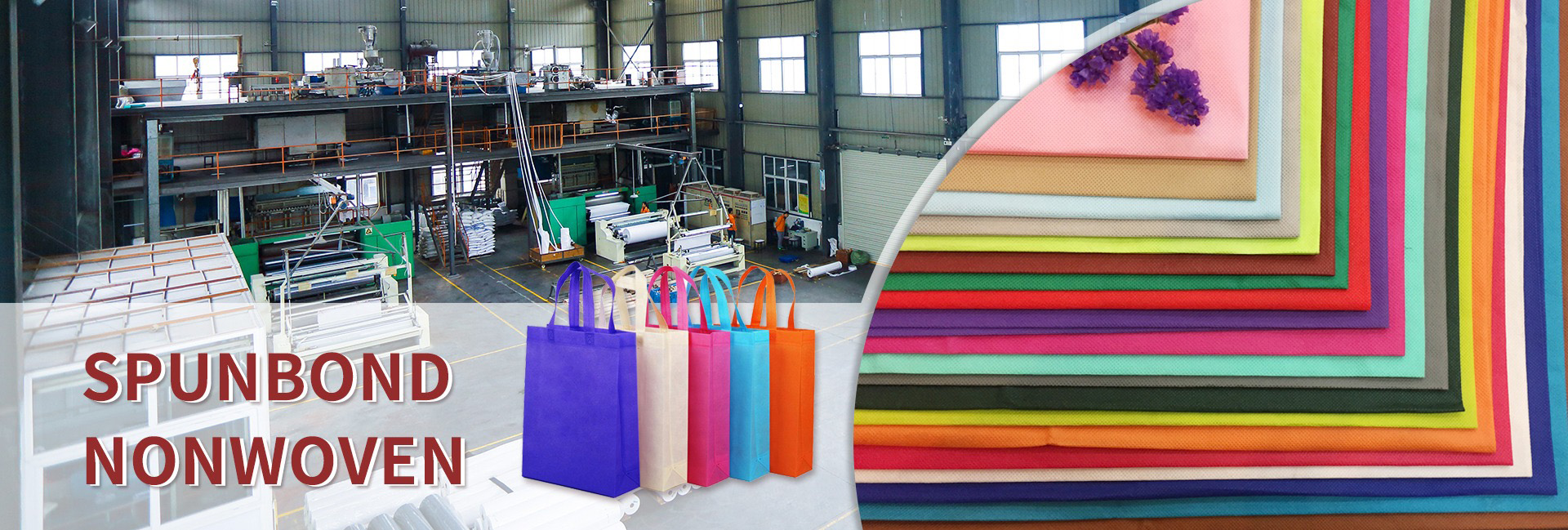
Dongguan Liansheng Non woven Technology Co., Ltd. was established in May 2020. It is a large-scale non-woven fabric production enterprise integrating research and development, production, and sales. It can produce various colors of PP spunbond non-woven fabrics with a width of less than 3.2 meters from 9 grams to 300 grams.
Post time: Mar-17-2026