
At present, as the “dual carbon” goal and ESG concept deeply reconstruct the global industrial chain, bio based textile materials are sparking a green revolution. This new type of fiber, which uses renewable resources such as corn, straw, and marine organisms as raw materials, has become the core carrier for the textile and fashion industry to practice new quality productivity due to its environmental benefits of reducing carbon throughout its entire lifecycle.

In recent years, with the rise of outdoor sports and healthy lifestyles, consumers have increased their demand for functional fabrics and have also pursued environmentally friendly and practical fabrics. Sustainability is becoming one of the factors influencing consumer purchasing decisions, and many international brands have launched plant-based products such as Lululemon, Gucci, Salvatore Ferragamo, and others. Compared to ordinary textiles, most fashion and bags made from bio based materials have environmentally friendly and renewable raw materials.
On the basis of these advantages, bio based materials also meet the requirements of wide material selection and comfortable wearing experience. Therefore, with the increasing awareness of environmental protection and the superior performance of bio based materials, many brands and designers in the fashion industry have turned their attention to this and begun to try using bio based materials to produce fashion, bags, and decorations.
Sustainable fashion has become a trend, making biobased materials a high ground for major fashion brands to chase after. International big brands are flourishing in the field of “sustainable fashion”, and domestic brands are also on the same path. More and more domestic fashion companies are cooperating with enterprises in the field of bio based materials. Lululemon invests in sustainable material producer Genomatica and collaborates to launch the first T-shirt made of plant-based nylon; Nike launches a new series called Nike Forward, which is composed of 70% recycled ingredients and reduces carbon emissions by 75%; ZARA launches a capsule series made of Circulose material, which is made from 100% textile waste and is biodegradable; Pangaia launches plant-based sportswear series, Activewear 3.0 products use 99.99% plant-based EVO ® Nylon and 30% plant-based creora ® Made of spandex fiber; The North Face launches Protein brewed with structural protein materials ™️ A jacket made of fibers; Arc’teryx launched the first self-developed series of hiking shoes on mountain roads. It has a sock lining made of PU compounds with 50% biological content and a perforated foam top layer with 25% biological content; Saucony has launched an eco-friendly running shoe TRIUMPH RFG, which features a natural plant-based cotton upper, a midsole made of 55% corn based material, and an outsole made of 80% natural rubber.
Driven by technological innovation, bio based materials with multiple characteristics such as low-carbon environmental protection, green sustainability, and functionality are gradually replacing environmentally unfriendly petroleum based polymer materials. Biobased materials refer to new materials and chemical products manufactured from renewable biomass resources such as plants, animals, and microorganisms. Compared with petroleum based materials, biobased materials reduce carbon dioxide emissions and dependence on petroleum, and their production process is greener, in line with people’s pursuit of environmental protection. Due to its environmentally friendly and resource efficient characteristics, bio based materials have become an important means to achieve the “dual carbon” goal and have received high attention at the national level.
According to a report by Zion Market Research, the global biobased materials market is expected to be worth approximately $41.37 billion in 2023 and generate approximately $320.88 billion in revenue by the end of 2032. The bio based materials industry will usher in significant development opportunities and have broad growth potential in the future. The value chain reconstruction triggered by the materials revolution is reshaping the sustainable development paradigm from farmland to wardrobe.
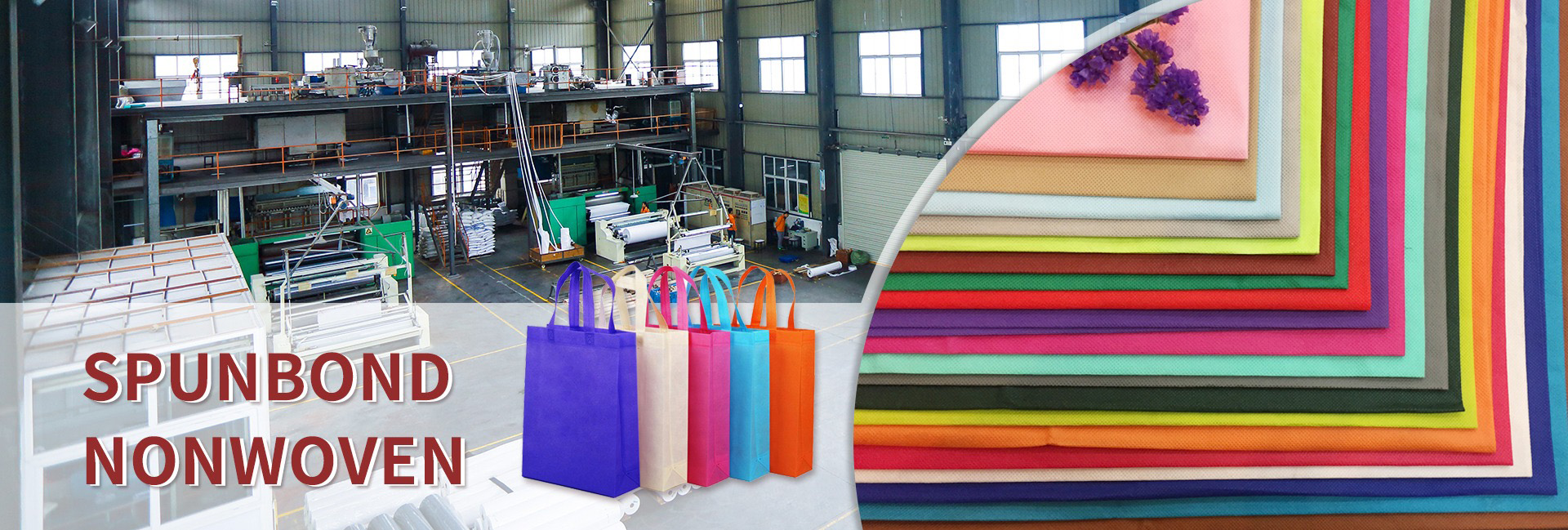
Dongguan Liansheng Non woven Technology Co., Ltd. was established in May 2020. It is a large-scale non-woven fabric production enterprise integrating research and development, production, and sales. It can produce various colors of PP spunbond non-woven fabrics with a width of less than 3.2 meters from 9 grams to 300 grams.
Post time: May-30-2025