
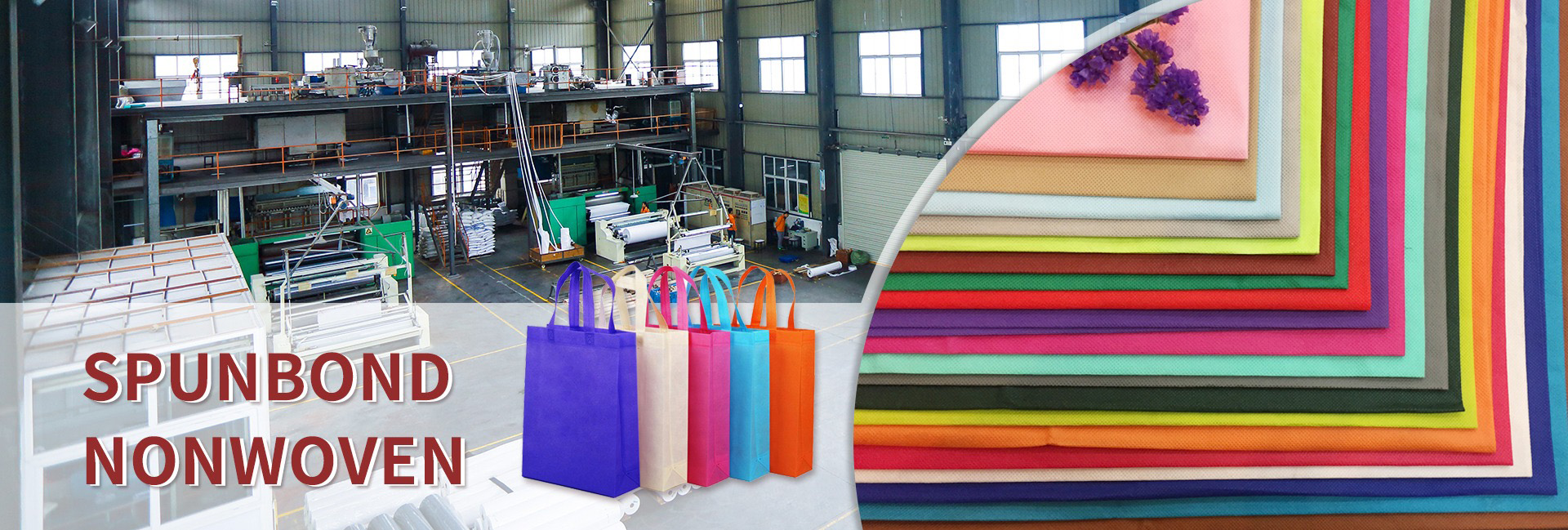
As the automotive industry undergoes an upgrade towards lightweight, eco-friendly, and intelligent vehicles, spunbond nonwoven fabrics, leveraging their comprehensive advantages of “low cost, multifunctionality, and ease of processing”, have evolved from traditional interior accessories to core functional materials that span the entire industry chain of both traditional and new energy vehicles. According to industry data, the market size of automotive nonwoven fabrics in China is expected to reach 12.8 billion yuan by 2025, with new energy vehicles consuming 22-28 kilograms of nonwoven fabrics per vehicle, approximately 30% higher than traditional fuel vehicles. Among these, spunbond nonwoven fabrics account for over 60%, penetrating comprehensively into various aspects such as seats, ceilings, filtration systems, body structures, and even new energy vehicle battery packs. They meet multiple core demands such as comfort, safety, and energy efficiency, becoming the “invisible cornerstone” of the automotive industry’s upgrade.
Balancing comfort and environmental protection to create a premium driving experience
Automotive interior decoration is the most widely used field for spunbond nonwoven fabrics, accounting for more than 60% of the total nonwoven fabric consumption in vehicles. Its core advantages lie in its softness, environmental friendliness, and potential for multifunctional modification, replacing traditional fabrics, plastics, and other materials while achieving lightweight and improved texture. It covers key parts such as seats, ceilings, door panels, and carpets.
1. Seat: From cushioning to wear resistance, fully adaptable across all layers
Spunbond nonwoven fabric is integrated into the cushioning, soundproofing, and protective layers of seats, precisely matching the performance requirements of different parts. The cushioning layers of seat cushions and backrests often use PP (polypropylene) spunbond nonwoven fabric, which, after being foamed and modified, forms a fluffy structure with excellent resilience, ensuring that the seat does not collapse even after prolonged sitting. At the same time, it is 30% lighter than traditional sponge, fitting the lightweight trend. The soundproofing layers on the backrest and side of the seat use high-porosity PET spunbond nonwoven fabric, relying on the three-dimensional interlaced structure of fibers to absorb sound waves. Coupled with composite technology, it can further enhance the soundproofing effect. The protective layer beneath the seat surface uses high-strength and wear-resistant spunbond nonwoven fabric. After being modified with antioxidants, it can withstand more than 30,000 rubs in the Martindale abrasion test, preventing pilling and damage to the seat from long-term use. At the same time, it is environmentally friendly and odorless, meeting the VOC emission standards for automotive interiors. It has passed supplier certifications from automakers such as Volkswagen and Toyota.
2. Roof and door panel: Lightweight + sound insulation, dual empowerment
The preferred base material for car ceilings is PP spunbond nonwoven fabric, which is made through a thermal bonding process. It is lightweight yet strong, effectively reducing the overall weight of the vehicle. With a porosity rate of 75% to 90%, it boasts excellent sound and heat insulation properties, reducing external noise infiltration and temperature fluctuations inside the car, thereby enhancing driving comfort. The door panel lining and armrest areas utilize soft spunbond nonwoven fabric. After being modified with ultrafine denier fibers, it provides a delicate touch and sound insulation and noise reduction functions, reducing interior noise by 3-5 decibels. Some high-end models also adopt SMS (spunbond-meltblown-spunbond) composite spunbond material, balancing softness and antibacterial properties to meet the demands of a healthy cabin. Furthermore, spunbond nonwoven fabric can be flexibly customized in color and texture to match interior design styles, eliminating the need for complex secondary processing and significantly improving production efficiency.
3. Carpet and trunk: wear-resistant, stain-resistant, easy to clean and maintain
The base material of the car carpet is made of PP spunbond nonwoven fabric. After being modified for waterproofing and stain resistance, it can effectively resist dust and water penetration, while also exhibiting excellent wear resistance, capable of withstanding long-term friction from shoe soles without damage, and easy to clean and maintain. The trunk lining is made of high-strength PET spunbond nonwoven fabric, which can withstand heavy object pressure and friction, while also serving as a cushioning and protective layer to prevent luggage from bumping and damaging the interior of the car. Some models also add a spunbond nonwoven cushion at the bottom of the trunk to further enhance protective performance.
Build a solid cleanliness defense line, adaptable to both fuel and new energy scenarios
Spunbond nonwoven fabric, with its excellent mechanical strength and controllable porosity, has become the core substrate material for automotive filtration systems, primarily used for air filtration and fluid filtration. It covers applications such as the engine compartment of gasoline-powered vehicles, the passenger compartment of new energy vehicles, and battery thermal management systems. Specifically, its market share in the automotive air filter nonwoven fabric market remains stable at around 22%.
1. Crew cabin HVAC filter: dual function of support and initial filtration
In the HVAC (Heating, Ventilation, and Air Conditioning) filter element of the passenger compartment of automobiles, spunbond nonwoven fabric primarily serves as the support layer and primary filtration layer. PP spunbond material is chosen for its excellent tensile strength of 15-25 N/5cm, which prevents structural collapse of the filter element under high wind speeds or long-term vibration. Its pore size can be controlled at 10~20μm, enabling it to efficiently intercept large particulate impurities (such as dust and pollen) in the air that are larger than 5μm, reducing the burden on the intermediate meltblown high-efficiency filtration layer and extending the service life of the filter element. In high-end new energy vehicle models, SMS composite spunbond material is widely used. The outer layer of spunbond provides mechanical support, while the intermediate meltblown layer achieves efficient interception, adapting to PM0.3 filtration requirements. It has been widely applied in new energy vehicle models from emerging players such as NIO and XPeng.
2. Engine/battery filtration: adaptable to different working conditions
In the intake filter of gasoline engine vehicles, spunbond nonwoven fabric is used for primary filtration to intercept dust, metal debris, and other impurities, thus preventing wear on the engine cylinder and piston. In the oil filter, oil-resistant modified PP spunbond nonwoven fabric is employed, which exhibits good chemical resistance and can intercept metal debris and impurities in the engine oil, ensuring the normal operation of the engine. In new energy vehicles, spunbond nonwoven fabric has been newly applied as a filter screen specifically for air-cooled battery packs, with an annual demand of approximately 80 million yuan. It can intercept dust and impurities, avoiding any impact on battery cooling efficiency, while also possessing waterproof and breathable properties, balancing cooling and protective needs.
Empowering with Lightweight Design, Strengthening Safety Protection
Through modification and upgrading, spunbond nonwoven fabrics have gradually penetrated into the structure and protective parts of automobile bodies, playing a core role in lightweighting, cushioning, sound insulation, and heat insulation. They are well-suited to the energy-saving and safety requirements of automobiles, making them an important choice for lightweight materials in car bodies.
1. Lightweight components of the vehicle body: Reducing weight to enhance efficiency and improve endurance
The demand for lightweighting in new energy vehicles is particularly urgent. Spunbond nonwoven fabrics, leveraging their lightweight advantage, have replaced some traditional metal and plastic components, such as chassis shields and bumper liners. High-strength modified PP spunbond nonwoven fabrics weigh only 1/5 of traditional metal shields, making them easy to lift with one hand (weighing less than 1 kilogram). At the same time, they can withstand a tensile force of 2700 newtons, equivalent to one-fifth of the gravitational force of a small car. They combine impact resistance and wear resistance, protecting both the chassis and body structure while reducing the overall weight of the vehicle and increasing the endurance mileage of new energy vehicles. Such products have been integrated into various new energy vehicle models from BYD, Ideal, Tesla, and other companies, helping automakers achieve their lightweighting goals.
2. Sound insulation, heat insulation, and cushioning protection: enhancing the driving experience in all aspects
The gaps between the engine compartment, chassis, and doors of a car are filled with PET spunbond nonwoven soundproof cotton. This material relies on its three-dimensional porous structure to absorb engine noise and road noise, while also providing excellent thermal insulation properties, reducing the heat transfer from the engine to the driver’s cabin and enhancing driving comfort. The spunbond nonwoven fabric at the body pillars and thresholds serves as a buffer, absorbing impact forces during collisions and reducing the risk of injury to occupants. Additionally, spunbond nonwoven fabric is also used to wrap car seals, improving sealing performance while preventing abnormal noise caused by friction between the seals and the body.
Battery pack protection, building a solid safety barrier
With the increasing penetration of new energy vehicles, spunbond nonwoven fabrics have become one of the core materials for battery pack protection. Leveraging their modified properties such as flame retardancy, insulation, waterproofing, and breathability, they are well-suited for the high-temperature and high-pressure working environment of battery packs, ensuring the safety of power batteries. This is also a key breakthrough point for their penetration into core automotive components.
1. Flame retardant separation and insulation protection
The internal cell separator and shell lining of the battery pack are made of flame-retardant modified PP/PET spunbond nonwoven fabric, with a limiting oxygen index of ≥32, which can effectively prevent the spread of flames when cells catch fire and slow down the rate of thermal runaway. At the same time, it has excellent insulation properties, with a surface resistivity of ≤10¹²Ω, preventing short circuits between cells and ensuring the safety of the battery pack circuit. After special treatment, this type of material can withstand a temperature range of -40℃~150℃, adapting to temperature fluctuations during battery charging and discharging.
2. Waterproof, breathable, and compatible with thermal management
At the waterproof and breathable valve of the battery pack, waterproof and breathable spunbond nonwoven fabric is used to facilitate gas circulation, allowing water vapor and expanding gases inside the battery pack to be discharged, thus preventing excessive internal pressure. At the same time, it blocks the entry of external moisture to prevent moisture and short circuits in the battery cells. The protective layer at the bottom of the battery pack is made of high-strength spunbond nonwoven fabric, combined with a coating process, to enhance waterproof and puncture resistance, avoiding damage to the battery pack shell from road debris and impurities, further strengthening battery safety protection.
Spunbond Nonwoven Fabrics Redefine the Landscape of Automotive Material Applications
From interior comfort upgrades to filtration and clean protection, from lightweight body empowerment to new energy battery pack safety guarantees, spunbond nonwoven fabrics have fully penetrated the “inner workings” of modern automobiles with their comprehensive advantages of modifiability, low cost, and multifunctionality, becoming an indispensable core material for both fuel-powered and new energy vehicles. Their application not only aligns with the development trends of lightweight, environmentally friendly, and safe vehicles, but also adapts to the new demands of high-end models and new energy vehicles through process upgrades (such as composite spunbond and modification treatment).
The market size of China’s automotive nonwoven fabrics is expected to reach 12.8 billion yuan in 2025 and is projected to exceed 22 billion yuan by 2031. As a core segment, spunbond nonwoven fabrics continue to unleash their market potential. In the future, with technological breakthroughs in bio-based degradable spunbond materials and smart nonwoven fabrics, they will further replace traditional materials, achieving broader penetration in the automotive industry. This will provide material support for the high-quality upgrading of the automotive industry and continuously reshape the application landscape of automotive materials.
Dongguan Liansheng Non woven Technology Co., Ltd. was established in May 2020. It is a large-scale non-woven fabric production enterprise integrating research and development, production, and sales. It can produce various colors of PP spunbond non-woven fabrics with a width of less than 3.2 meters from 9 grams to 300 grams.
Post time: Feb-05-2026