
In the post pandemic era, the concept of public health protection has extended from public settings to home micro environments, and the hygiene and safety of home textiles have become the core link of healthy living. As a daily high-frequency contact sleeping product, pillows can absorb sweat, dandruff, and moisture for a long time, making them a breeding ground for bacteria, fungi, and dust mites, which can easily cause health problems such as skin allergies and respiratory discomfort.
Traditional pillowcases are mainly made of conventional fabrics such as cotton and polyester, which only have basic wrapping and decorative functions and are difficult to inhibit microbial growth. Antibacterial spunbond fabric, with its advantages of efficient antibacterial, breathable and moisture-proof, controllable cost, and easy scale production, has become an ideal material for upgrading the functionality of pillowcases. It builds a long-term hygiene barrier for home sleep and meets the normalized, lightweight, and daily home protection needs in the post epidemic era.
Core characteristics and antibacterial principles of antibacterial spunbond fabric
1.Basic performance advantages of spunbond fabric
Spunbond non-woven fabric is mainly made of polypropylene, and is formed through high-temperature melting, spinning, mesh laying, and hot rolling reinforcement. The process is mature and the production is efficient. Its texture is light and flexible, with good breathability and moisture permeability, which can quickly eliminate the moisture and heat generated during sleep, avoiding the stuffiness inside the pillowcase; At the same time, the fabric structure is dense, which can effectively block the penetration of dust, dandruff, and microorganisms, balancing protection and comfort, and is suitable for close fitting use scenarios of pillowcases.
2.The Path and Mechanism of Antibacterial Technology
Antibacterial spunbond fabric achieves functional empowerment through fiber modification and post-treatment antibacterial treatment. The mainstream technologies include inorganic antibacterial agent doping, organic antibacterial agent finishing, and physical antibacterial modification. Inorganic antibacterial agents, represented by nano silver ions, copper ions, and zinc oxide, destroy bacterial cell membranes and enzyme systems through ion release, inhibit microbial metabolism and reproduction, and have the characteristics of broad-spectrum antibacterial, heat-resistant, washable, and high safety.
Organic antibacterial agents often use quaternary ammonium salts and natural plant extracts to exert antibacterial effects by blocking the formation of bacterial biofilms, which are mild and non irritating; Physical antibacterial is achieved by modifying the surface charge of the fabric to form a negative barrier that repels positively charged bacteria, achieving safe protection without chemical additives. After testing, the qualified antibacterial spunbond fabric has a bacteriostatic rate of over 99% against Escherichia coli, Staphylococcus aureus, and Candida albicans, effectively inhibiting the growth of harmful microorganisms.
3.Key qualities for adapting to home textile applications
Compared to industrial and medical spunbond fabrics, antibacterial spunbond fabrics used in home textiles pay more attention to skin friendliness, washability, odor free, and environmental safety. Through process optimization, the fabric feels soft and not rough, meeting the standards for close fitting use; The antibacterial ingredients are firmly bound to the fibers and maintain stable antibacterial effects even after multiple washes, meeting the long-term and repeated use needs of pillowcases; Simultaneously meeting textile safety standards, with no heavy metal or formaldehyde emissions, suitable for sensitive populations such as infants, the elderly, and those with allergies.
The application value of antibacterial spunbond fabric in pillowcases
1.Build a strong micro protective barrier at home
In the post pandemic era, the core of home protection is to reduce the risk of daily contact infections. As a home textile product that comes into direct contact with the face and respiratory tract, pillowcases made of antibacterial spunbond fabric can inhibit the growth of bacteria, fungi, dust mites, and allergens from the source, reduce the entry of microorganisms into the human body through contact and breathing, effectively reduce the probability of skin inflammation, respiratory allergies, and oral and throat infections, provide all-weather hygiene protection for the sleeping environment, and make up for the shortcomings of traditional pillowcases that lack protective capabilities.
2.Improve sleep comfort and user experience
The breathable and breathable structure of antibacterial spunbond fabric can quickly dissipate moisture inside the pillow core, keep the pillowcase dry and clean, and avoid stuffiness and stickiness; Simultaneously inhibiting the source of odor generated by microbial metabolism, maintaining the freshness of pillowcases for a long time, and reducing sleep disturbances caused by odor and moisture. Compared to ordinary fabrics, antibacterial spunbond pillowcases are less prone to yellowing and mold growth, making cleaning and maintenance easier and significantly improving sleep quality and user satisfaction.
3.Expand the functional and market-oriented value of home textile products
The upgrade of healthy consumption promotes the transformation of home textile products from basic practicality to functional health, and antibacterial function has become the core competitiveness of the bedding market. Antibacterial spunbond fabric has a moderate cost and is easy to mass produce. It can be widely used in household pillowcases, hotel pillowcases, mother and baby pillowcases, medical care pillowcases, and other scenarios. It can not only enhance the added value of the product, but also meet the rigid demand of consumers for healthy homes. Data shows that the market size of antibacterial home textiles continues to grow, and antibacterial pillowcases, as a segmented category, have become an important entry point for home textile enterprises to layout a healthy track with high cost-effectiveness and strong practicality.
Key points of application implementation and future development direction
Key to Production and Application Optimizatio
In the production of pillowcases, it is necessary to balance antibacterial performance and process adaptability: firstly, select washable antibacterial spunbond fabric to ensure that the antibacterial rate still meets the standard after washing for more than 50 times; The second is to optimize the cutting and sewing process, preserve the breathable structure of the fabric, and avoid affecting the moisture permeability due to excessive stitching; The third is to use it with a breathable pillow core to form a healthy combination of “antibacterial pillowcase+breathable pillow core”, maximizing the protective effect. At the same time, the product needs to be clearly labeled with antibacterial standards, testing reports, and usage instructions to guide consumers to make scientific purchases.
Future Development Trends
In the future, the application of antibacterial spunbond fabric in pillowcases will develop towards multifunctional integration, green environmental protection, and intelligence. Firstly, it will integrate functions such as antiviral, mite proof, mold proof, and far-infrared to achieve one-stop health protection; The second is to develop bio based biodegradable antibacterial spunbond fabric to reduce environmental burden and align with the trend of green home textiles; The third is to combine micro ecological regulation technology to maintain the microbial balance on the surface of the fabric through mild antibacterial effects, thereby improving the safety of use. In addition, with the improvement of health standards for home textiles, antibacterial pillowcases will move from high-end categories to popular and become standard products for home protection in the post pandemic era.
Conclusion
In the post pandemic era, home protection has shifted from “passive response” to “active prevention”, and high-frequency contact with home textiles has become a key battlefield for health protection. Antibacterial spunbond fabric, with its comprehensive advantages of high efficiency, comfort, breathability, and economic practicality, perfectly meets the functional requirements of pillowcases.
It not only solves the pain points of traditional pillowcases that are prone to bacterial growth and odor production, but also builds a safe and hygienic micro protection system for home sleep. With the iteration of technology and the upgrading of consumer demand, antibacterial spunbond fabric will continue to deepen its application in the home textile field, promoting the development of home protection towards a healthier, more convenient, and more universal direction, and providing solid support for the healthy life of the whole nation.
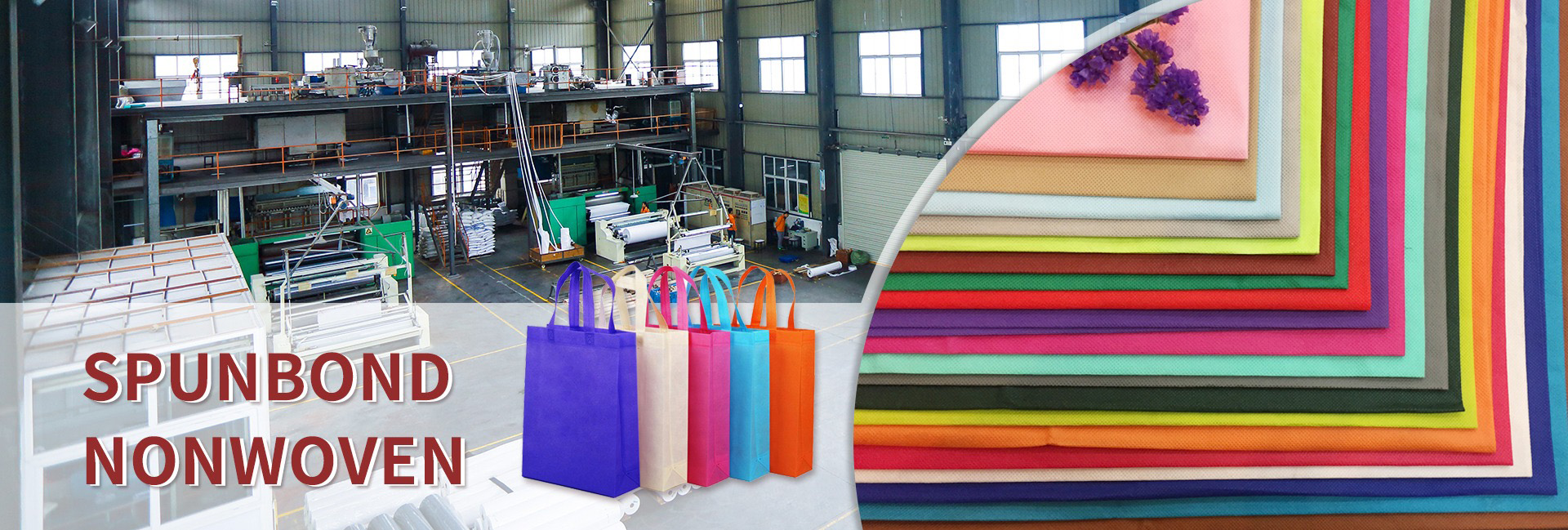
Dongguan Liansheng Non woven Technology Co., Ltd. was established in May 2020. It is a large-scale non-woven fabric production enterprise integrating research and development, production, and sales. It can produce various colors of PP spunbond non-woven fabrics with a width of less than 3.2 meters from 9 grams to 300 grams.
Post time: Mar-22-2026