
The core of selecting matching fire-resistant non-woven fabric grades for different industries is precise risk and demand matching. You need to first assess the specific risks such as the type of fire source and exposure duration in the work environment, and then select materials and grades based on industry mandatory standards.
The core selection logic of major industries
Architecture and Building Materials
Wall insulation layer covering, fireproof rolling shutter, indoor decorative materials (wall cloth, curtains) to prevent the spread of fire, meet the fire resistance requirements of building components, and reduce the flammability of decorative materials to Class A (non combustible) or Class B1 (flame retardant). Decorative fabrics for public places must comply with flame retardant level 1 or level 2 of GB 20286. Non lotion type/thick heavy flame-retardant non-woven fabric (structural fire resistance); Basalt fiber fireproof cloth; Decorative fabric treated with flame retardancy.
Transportation (automobiles)
The seat fabric lining, door interior panel, and ceiling materials meet the mandatory safety standards for interior materials, including flame retardant, low smoke, and low toxicity, and must meet strict standards such as EU ECE R118 and US FMVSS 302 to prevent melting droplets. Non lotion flame retardant non-woven fabric (durable flame retardant); Essentially flame retardant fiber (such as aramid) fabric.
Fire Protection and Special Protection
Firefighter firefighting protective clothing, emergency rescue tents, and welding protective blankets that come into direct contact with flames or ultra-high temperatures require extremely high thermal protection (TPP), and droplet resistant protective clothing must comply with Grade A (maximum) of GB 8965.1; Welding protection must withstand slag splashing. Multi layer composite fabric; Basalt fiber cloth (resistant to over 1000 ℃); High silicon oxygen fireproof cloth (resistant to 1600 ℃); Emerging ultra-high tolerance materials.
Public facilities and industry
Subway/airport soft furnishings, hotel fireproof blankets, industrial equipment insulation covers, and public places with dense personnel require rapid self extinguishing and low smoke; Industrial scenes require durable and corrosion-resistant fabrics for public places, which must be flame retardant at level 1/2 (GB 20286); Industrial environments are classified as B1 level or higher based on risk. Emulsion type flame-retardant non-woven fabric (soft furnishings, such as curtains); Silicone rubber coated fiberglass cloth (heat-resistant and corrosion-resistant).
How to avoid common pitfalls in procurement
Distinguish between “flame retardant” and “fire-resistant”: “flame retardant cloth” usually refers to materials that delay combustion; And “fireproof cloth” (such as basalt fiber cloth, high silica cloth) can maintain its structure for a long time at higher temperatures (such as above 1000 ℃), and is non combustible or difficult to ignite. The key is to consider the maximum operating temperature.
Be wary of “performance fraud” and “durability traps”: Do not trust a single “flame retardant” label. Some low-priced fabrics use post-processing techniques, and flame retardants may peel off with washing or friction. For scenes that need durability or are related to life safety (such as protective clothing, car interior decoration), priority should be given to intrinsic flame retardant fiber (flame retardant of the fiber itself) or non lotion type (flame retardant is integrated into the fiber) products.
Understanding the meaning behind the standards: Different testing standards target different scenarios. For example, TB117 in the United States mainly focuses on cigarette burning tests for furniture, while BS5852 in the United Kingdom simulates multi-level fire sources ranging from cigarettes to matches. When choosing, the standards that the product passes must match your risk type.
Scientific procurement decision-making steps
You can follow the following steps to make more scientific decisions:
Clarify the regulatory bottom line: Firstly, check the mandatory product standards in your industry and sales region (such as China’s GB 8965.1, GB 20286), which is an insurmountable bottom line.
Refine scenario risks: Collaborate with security departments to analyze specific risks: are they brief flash fires, sustained flames, molten metal splashes, or high-temperature thermal radiation? Different risks correspond to completely different testing standards (such as vertical combustion, TPP, anti droplet testing).
Request and verify the testing report: The supplier is required to provide a formal testing report issued by a laboratory recognized by authoritative institutions such as CNAS or ILAC. The core report should include at least key data such as Limiting Oxygen Index (LOI), Vertical Combustion Damage Length/Continuation Time, Thermal Protection Performance (TPS/RPP), etc.
Comprehensive evaluation of suppliers: examine the supplier’s research and development capabilities, quality control system (such as ISO9001), successful cases, and whether they can provide complete technical support and solutions.
Summary and core recommendations
In general, choosing fire-resistant non-woven fabric according to local conditions is essentially a match between “scene risk” and “material performance”:
For building fire prevention, the key is to comply with the mandatory requirements of the “Code for Fire Protection Design of Buildings” for material combustion levels (A, B1).
For car interiors, the core is to meet mandatory international standards such as ECE R118 for smoke toxicity and combustion speed.
For special protection measures such as fire protection and welding, the core indicators are thermal protection performance (TPP) and resistance to molten droplets, and specialized materials that have undergone rigorous testing should be selected.
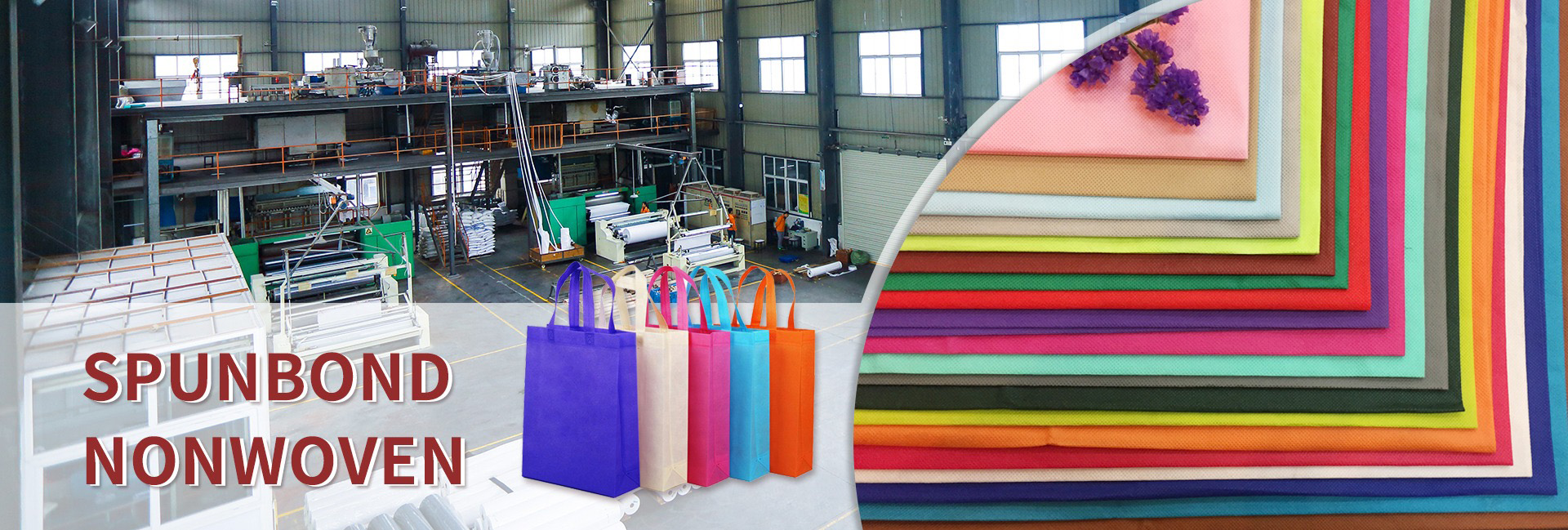
Dongguan Liansheng Non woven Technology Co., Ltd. was established in May 2020. It is a large-scale non-woven fabric production enterprise integrating research and development, production, and sales. It can produce various colors of PP spunbond non-woven fabrics with a width of less than 3.2 meters from 9 grams to 300 grams.
Post time: Dec-15-2025