
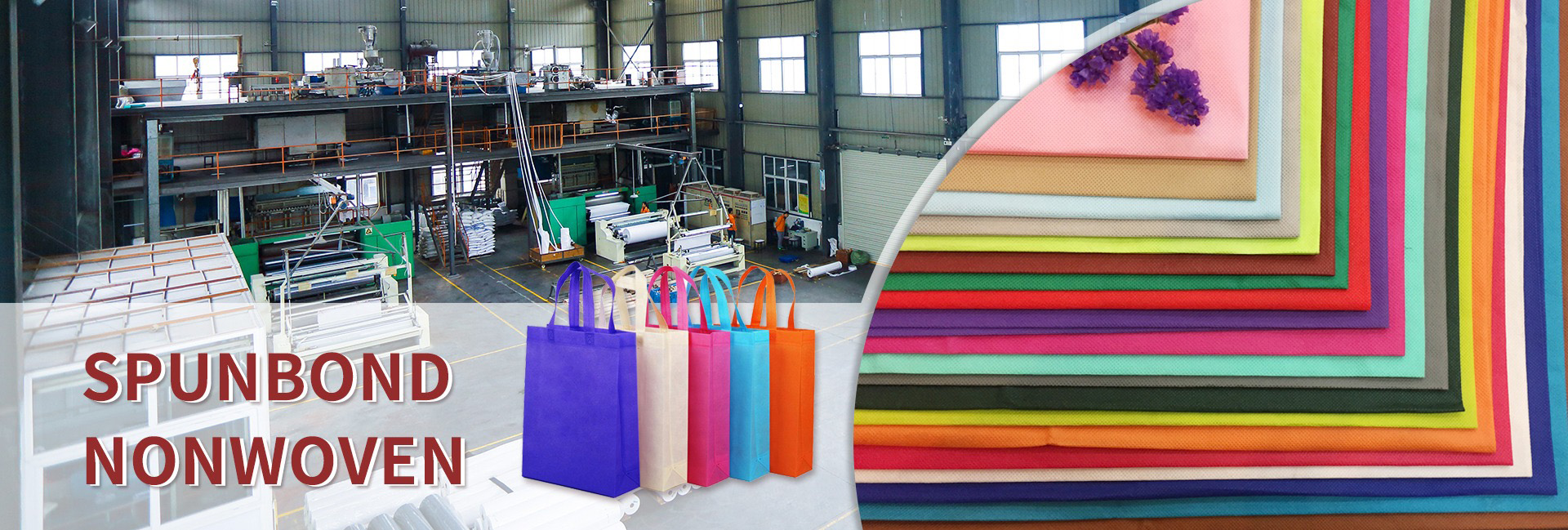
Okay, so I need to figure out how to recycle spunbond material. Let me start by understanding what spunbond actually is. From what I remember, spunbond is a type of nonwoven fabric made by extruding melted polymer fibers, which are then laid into a web and bonded together. It’s commonly used in products like disposable medical gowns, face masks, shopping bags, geotextiles, and agricultural covers. The polymers used are usually polypropylene (PP) or polyester (PET), right?
Since it’s a nonwoven material, recycling might be different from traditional fabrics. I know that regular recycling for plastics like PET bottles involves sorting, cleaning, shredding, and melting to make new products. But spunbond is a fabric, so maybe the process is similar but with some differences. However, nonwoven materials can be tricky because they might be made from blends or have coatings that complicate recycling. Also, if they’re used in medical settings, there might be contamination issues.
Collection and Sorting
So, you need to gather the used spunbond products. But how do you separate them from other waste? Maybe specific collection bins for nonwoven materials? Or partnering with industries that generate a lot of spunbond waste, like hospitals or agricultural sectors. Sorting is crucial because different polymers (PP vs. PET) can’t be mixed. Also, checking for contamination like dirt, chemicals, or other materials. Maybe using automated sorting systems with sensors to identify the polymer type?
Cleaning and Preparation
If the spunbond is contaminated, say with dirt or biological matter (like in medical use), it needs thorough cleaning. Probably using industrial washers with detergents and disinfectants. But what about sterilization? Maybe autoclaving or chemical treatments. Then drying the material properly to prevent mold or degradation. If there are any non-polymer components, like metal clips or adhesives, they need to be removed. Maybe manual removal or mechanical processes like shredding and then using air classifiers or magnets to separate metals.
Shredding and Pelletizing
After cleaning, the material is shredded into smaller pieces. Spunbond might be lightweight but could be bulky, so shredding would reduce volume. Then melting the shredded material and extruding it into pellets. But here’s a question: does the melting process affect the quality of the polymer? Since spunbond is already processed once, would the recycled pellets be of lower quality? That might limit their use to lower-grade products. Also, additives might be needed to restore certain properties.
Reprocessing into New Products
The pellets can be used to make new spunbond nonwovens, but maybe other products too. For example, plastic lumber, composite materials, or injection-molded items. But how compatible is the recycled material with existing manufacturing processes? If the spunbond was originally made for a specific use, like being breathable or water-resistant, does recycling affect those properties? Maybe blending with virgin material could help maintain quality.
Alternative Recycling Methods
Mechanical recycling is the most straightforward, but chemical recycling could break down the polymer into monomers. However, that’s probably more energy-intensive and expensive. Are there facilities that can handle chemical recycling of PP or PET? Also, upcycling ideas: turning spunbond into insulation material, stuffing for pillows, or using it in art projects. But those might be small-scale solutions.
Challenges
Contamination is a big one, especially in medical or agricultural uses. Also, lack of infrastructure for collecting and recycling spunbond specifically. Economic viability—recycling needs to be cost-effective compared to producing new material. Public awareness is another issue; people might not know spunbond can be recycled. Maybe setting up take-back programs or labeling products with recycling instructions.
Examples
TerraCycle does hard-to-recycle materials, maybe they handle spunbond. Some companies might have in-house recycling where they collect their own waste. Geotextile manufacturers using recycled spunbond for erosion control.Designing products for recyclability from the start, like using pure polymers without coatings. Collaborating across the supply chain to ensure materials can be collected and processed. Educating consumers and industries on proper disposal.
Wait, but I’m not sure if all spunbond is recyclable. If it’s a blend of materials, that complicates things. Also, colorants or additives might interfere. So, the key is ensuring the spunbond is a single polymer type and clean. Maybe the answer should emphasize the importance of starting with pure materials and proper segregation.
Some spunbond products are biodegradable if made with certain polymers, but most are not. So recycling is better than landfilling. But if they can’t be recycled, energy recovery through incineration might be an option, though not ideal.
So, putting it all together, the steps would involve collection, sorting, cleaning, shredding, pelletizing, and reprocessing. Challenges include contamination and infrastructure. Solutions include better product design, industry partnerships, and education.
Recycling spunbond, a nonwoven fabric typically made from polypropylene (PP) or polyester (PET), involves a structured process to transform waste into reusable materials. Here’s a comprehensive guide:
1. Collection and Sorting
- Targeted Collection: Partner with industries (medical, agricultural, packaging) to collect post-consumer or post-industrial spunbond waste. Use dedicated bins for nonwoven materials.
- Sorting: Separate by polymer type (PP vs. PET) using automated systems (e.g., NIR sensors) and remove contaminants (metals, adhesives). Ensure no mixed-material products are included.
2. Cleaning and Preparation
- Decontamination: For medical or soiled items, use industrial washing with disinfectants or autoclaving. Remove non-polymer elements manually or via mechanical separators (magnets, air classifiers).
- Drying: Thoroughly dry to prevent degradation before shredding.
3. Shredding and Pelletizing
- Shredding: Reduce clean material into flakes or fibers to ease processing.
- Pelletizing: Melt shredded material and extrude into pellets. Blend with virgin polymer if needed to enhance quality for specific applications.
4. Reprocessing
- New Products: Use pellets to manufacture new spunbond fabric, plastic lumber, composites, or injection-molded items. Lower-grade recycled material may suit geotextiles or insulation.
5. Alternative Methods
- Chemical Recycling: Break down polymers into monomers for high-quality reuse (energy-intensive but effective for complex waste).
- Upcycling: Repurpose into stuffing, insulation, or crafts for small-scale solutions.
6. Challenges and Solutions
- Contamination: Implement strict sorting protocols and pre-treatment processes.
- Infrastructure Gaps: Advocate for industry partnerships and invest in recycling facilities.
- Economic Viability: Subsidies or incentives for recycled content use can offset costs.
- Awareness: Label products with recycling info and educate stakeholders on proper disposal.
7. Best Practices
- Design for Recycling: Use pure polymers, avoid coatings/blends, and standardize materials.
- Collaboration: Engage manufacturers, recyclers, and policymakers to streamline processes.
- Circular Programs: Explore take-back schemes or partnerships with recyclers like TerraCycle.
Examples of Use
- Geotextiles: Recycled spunbond in erosion control or landscaping.
- Packaging: Reprocessed pellets for new nonwoven bags or containers.
By addressing contamination, improving design, and fostering collaboration, spunbond recycling can reduce waste and support a circular economy.
Dongguan Liansheng Non woven Technology Co., Ltd. was established in May 2020. It is a large-scale non-woven fabric production enterprise integrating research and development, production, and sales. It can produce various colors of PP spunbond non-woven fabrics with a width of less than 3.2 meters from 9 grams to 300 grams.
Post time: Feb-26-2025