
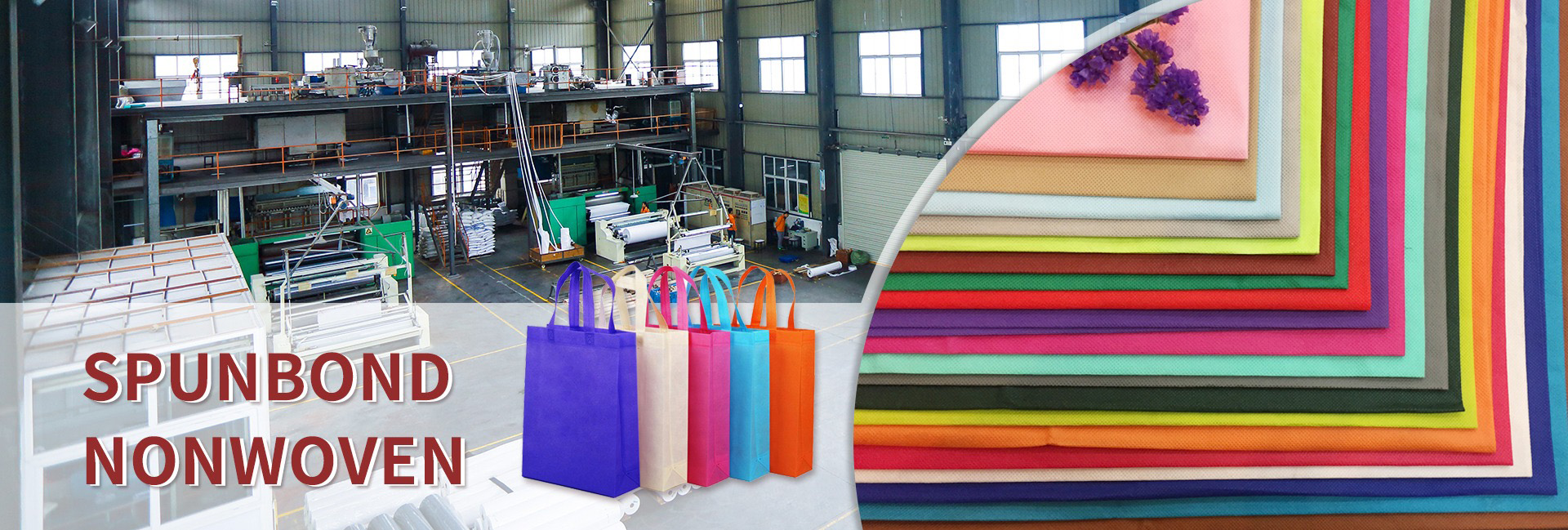
Utilizing VCI (Volatile Corrosion Inhibitor) anti-rust spunbond nonwoven fabric to provide vapor phase protection for precision instruments, the core lies in relying on its protective logic of “VCI molecule slow release – confined space diffusion – metal surface film formation”. Combined with the core requirements of precision instruments for “corrosion prevention, damage prevention, and no residue”, it is implemented in three steps: “preliminary preparation – standardized operation – post-operation guarantee”. This approach ensures no protection dead zones while avoiding damage to instrument precision, and is suitable for various complex structures of precision metal components.
Build a solid foundation for protection and avoid potential hazards in the early stage
The core of preliminary preparation is to eliminate interference factors, ensure that VCI gas phase protection can work normally, and match the characteristics of precision instruments to avoid secondary damage.
1. Pre-treatment of device surface
Oil stains, dust, water stains, and oxide layers on the surface of precision instruments can hinder the adsorption and film formation of VCI molecules, directly reducing the protective effect. Strict pre-treatment steps are required: First, use volatile environmentally friendly cleaning agents such as anhydrous ethanol and specialized precision cleaning agents to wipe the surface and gaps of the instruments to remove oil stains and dust. Avoid using cleaning agents containing silicon or phosphorus (which may leave residues and form protective barriers). Secondly, place the cleaned instruments in a cool, dry place to dry naturally, or use clean compressed air to blow them dry to ensure that the surface is free of any water stains (with a moisture content of ≤0.1%). If there are already slight signs of oxidation on the surface of the instruments, it is necessary to use precision grinding tools or specialized rust removers to treat them until the metal’s natural color is revealed, and then complete the cleaning and drying process to prevent the oxide layer from continuing to spread. Packaging must be completed within 2 hours after pre-treatment to prevent the instruments from being affected by moisture or impurities again.
2. Selection of compatible materials
It is necessary to select the corresponding VCI anti-rust spunbond nonwoven fabric based on the material of the equipment, protection period, and usage scenario to avoid protection failure due to improper selection. Firstly, match the VCI formula according to the metal material. For ferrous metals (steel, cast iron), select iron-based VCI nonwoven fabric. For nonferrous metals (copper, aluminum, zinc, and alloys), select multi-metal compatible VCI nonwoven fabric. For equipment made of mixed materials, directly select a universal formula. Secondly, select the type based on grammage and thickness. For conventional precision equipment, select a lightweight type with 15~30g/m² (considering both flexibility and light weight). For large and complex equipment or harsh scenarios such as shipping, select a high-strength type with 30~50g/m². Thirdly, select the type based on shape. Prefabricated bags can be used for small precision parts, while rolls or sheets can be selected for irregular or large equipment, making it easy to cut and fit. At the same time, inspect the appearance of the nonwoven fabric to ensure that there is no damage, fiber shedding, or odor (odor may be caused by leakage of VCI components, affecting the protective effect).
3. Packaging environment control
The packaging environment must meet the requirements of “dryness, cleanliness, and non-corrosiveness”: the ambient temperature should be controlled between 10~30℃, and the relative humidity should be ≤60%, to avoid high temperature and humidity accelerating the early volatilization of VCI molecules or causing condensation on the surface of the equipment; the packaging area should be kept away from corrosive media such as acids, alkalis, salt spray, and dust, to prevent impurities from mixing into the packaging; if operating in a humid environment, dehumidification equipment should be used, and desiccants can be placed inside the packaging (separated from the non-woven fabric to avoid direct contact with the equipment), to further reduce the environmental humidity.
Standardized execution to achieve seamless gas phase protection
The core is to construct a sealed protective space through the process of “fitting and wrapping – sealing and encapsulation – standing and curing”, allowing VCI molecules to fully diffuse and form an effective protective film. During the operation, both the protective effect and the protection of instrument precision need to be considered.
1. Precise packaging, conforming to the contour of the device
When wrapping, the principle of “gentle fit and no dead space coverage” should be followed to avoid damaging the precision of the equipment: Small precision parts (such as sensors and micro bearings) can be directly placed into prefabricated VCI non-woven fabric bags, ensuring that the parts are completely wrapped by the non-woven fabric, with no excess space inside the bag (air can be gently squeezed out to avoid excessive gaps that may lead to insufficient VCI molecule concentration); irregular-shaped and large equipment (such as gears and precision lead screws) need to be cut into suitable sizes using rolls or sheets, wrapped layer by layer, with emphasis on covering gaps, threads, internal cavities, metal contacts, and other areas that are prone to rust and difficult to reach with traditional protection. The non-woven fabric can be cut into narrow strips or small pieces and embedded into small gaps to ensure no protection blind spots. When wrapping, avoid pulling the non-woven fabric hard to prevent damage that could lead to the loss of VCI molecules, and ensure that the soft side of the non-woven fabric faces the equipment surface to reduce scratches caused by friction.
2. Sealed tightly to maintain a protective atmosphere
Gas phase protection relies on a sealed space, and the packaging process directly determines the protective effect. After wrapping, the equipment and VCI non-woven fabric should be placed together in a sealed container (such as a sealed box, aluminum foil bag, or PE sealed bag). Aluminum foil bags with strong barrier properties are preferred to reduce air infiltration. During packaging, the air inside the container must be completely evacuated. This can be done using a vacuum machine (for high-end precision equipment to avoid air residue) or by manually squeezing out the air. After that, the bag opening should be sealed using a heat sealing machine. The seal must be smooth, wrinkle-free, and undamaged to ensure complete sealing. If a sealed box is used, it is necessary to check whether the sealing strip on the box lid is intact. After closing, tighten the buckle to avoid air leakage. At the same time, the amount of non-woven fabric used should be reasonably controlled based on the volume of the sealed space. The conventional amount is 100~130g/m³. In harsh scenarios such as sea transportation and long-term storage, the amount should be increased by 20%~30% to ensure that VCI molecules can form a saturated protective atmosphere.
3. Allow it to cure and solidify, thus completing the formation of the protective film
After encapsulation, it is necessary to let it stand for a period of time to allow the VCI molecules to fully diffuse and form a film: under normal conditions, it should be left to stand for 30 to 60 minutes, and in low-temperature environments (≤10°C), the duration should be extended to 2 to 4 hours, to ensure that the VCI molecules are slowly released and volatilized from the non-woven fabric, diffusing to every corner of the enclosed space and adsorbing and forming a film on the metal surface of the equipment. During the standing period, avoid moving or colliding with the packaging container to prevent damage to the seal or displacement of the non-woven fabric, which could affect the protective effect. The thickness of the protective film after molding is only 3 to 5 layers of molecules, which will not affect the dimensional accuracy and surface gloss of the equipment, so there is no need to worry about interference with subsequent assembly.
Standardize storage and transportation, maintain protective effectiveness
After packaging, standardized storage and transportation management is required to ensure the protective effect remains effective and prevent subsequent loss of protection.
1. Storage management
During storage, the environment should be kept dry, cool, and well-ventilated, with temperature controlled between -40~80℃ and relative humidity ≤65%. Direct sunlight, high-temperature exposure (which accelerates the consumption of VCI molecules) or humid environments (leading to condensation) should be avoided. Packaged equipment should be neatly stacked to prevent damage to sealed containers due to excessive height. It should be kept away from corrosive media such as acids, alkalis, salt spray, and organic solvents. Unopened VCI non-woven fabrics should be stored sealed to prevent premature evaporation of VCI components. The shelf life is typically 12 months, and expired products should be replaced before use.
2. Transportation management
During transportation, violent collisions and squeezing should be avoided to prevent damage to sealed containers and displacement of non-woven fabrics. For sea transportation, moisture-proof and salt spray-resistant outer packaging should be selected to avoid erosion from seawater, which could lead to loss of protection. No additional treatment is required for low-temperature transportation (VCI non-woven fabrics are resistant to low temperatures and can function normally at -40℃). However, prolonged exposure to sunlight should be avoided during high-temperature transportation. Thermal insulation outer packaging can be used to reduce the rapid evaporation of VCI molecules.
3. Unpacking and secondary protection
After unpacking, the VCI protective film will dissipate naturally, and the equipment can be put into use directly without additional cleaning; if not used immediately after unpacking, it needs to be repackaged with new VCI non-woven fabric and sealed to prevent the equipment from being exposed to moisture and rust in the air; during secondary packaging, the preliminary pretreatment and core operation steps need to be re-executed to ensure uninterrupted protective effect.
Key precautions
1. It is prohibited to mix VCI anti-rust spunbond nonwoven fabric with other types of anti-rust agents (such as anti-rust oil and anti-rust wax) to avoid reactions between different components, which may damage the VCI protective film and affect the protective effect;
2. Avoid direct contact of non-woven fabrics with food and medicine (except for specialized medical-grade formulations) to prevent contamination caused by VCI components;
During the operation process, it is necessary to wear clean gloves to avoid sweat and oil on the hands contaminating the equipment or non-woven fabrics, which could interfere with the protective effect;
4. If the packaging is damaged, the non-woven fabric is damp, or there is an odor, the non-woven fabric should be replaced immediately and resealed to prevent rusting of the equipment;
5. Discarded VCI non-woven fabrics must be disposed of in accordance with environmental protection requirements, with priority given to recycling and reuse. They must not be discarded at will to avoid environmental pollution.
In summary, as long as the process of “pre-treatment – selecting the right material – standardizing package sealing – scientific storage and transportation” is strictly followed, the gas phase protection advantages of VCI anti-rust spunbond nonwoven fabric can be fully utilized to provide long-lasting, no-dead-angle, and no-damage anti-rust protection for precision instruments, adapting to the needs of production, warehousing, global transportation, and other full scenarios.
Dongguan Liansheng Non woven Technology Co., Ltd. was established in May 2020. It is a large-scale non-woven fabric production enterprise integrating research and development, production, and sales. It can produce various colors of PP spunbond non-woven fabrics with a width of less than 3.2 meters from 9 grams to 300 grams.
Post time: Feb-01-2026