
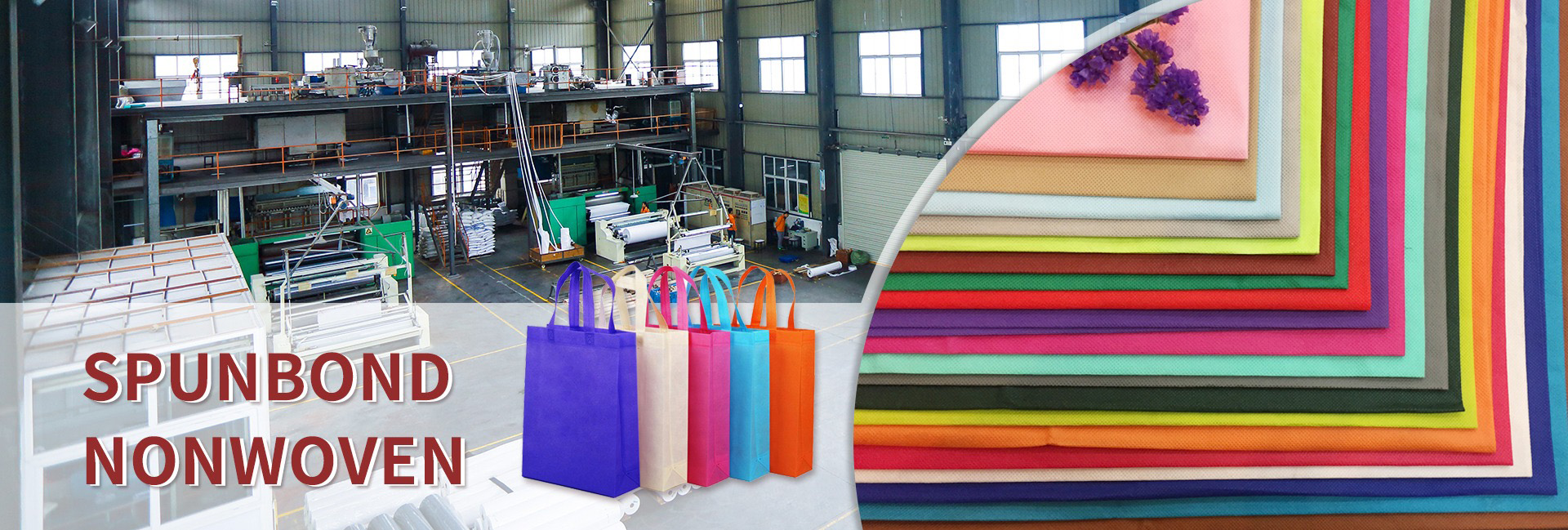
Polypropylene raw material non-woven fabric itself is non-toxic, made from polypropylene particles through processes such as high-temperature melting, spinning, laying, and hot pressing, making it safe and environmentally friendly. The product has extremely low heavy metal content, standardized packaging, and a shelf life of up to 2 years. It is widely used in various fields such as fertilizer addition.Polypropylene (PP) non-woven fabric is generally considered non-toxic under normal use conditions, but its safety depends on the manufacturing process, additives, and application.
Is PP non-woven fabric toxic
Firstly, it is necessary to clarify what material PP non-woven fabric is. PP is an abbreviation for polypropylene and belongs to a type of plastic. Non woven fabric is a fabric made by combining fibers through mechanical, thermal bonding, or chemical methods, which is different from traditional textile fabrics. Users may be concerned about whether PP non-woven fabric is toxic, possibly when using this material in daily necessities such as shopping bags, masks, hygiene products, etc. They may be concerned about whether long-term exposure or ingestion may have an impact on their health. Especially if there are children or pets at home, they may be more concerned about the safety of materials.
Basic properties of polypropylene (PP)
Acrylic is a polymer compound formed by the polymerization of propylene, which has the characteristics of non-toxic, odorless, tasteless, and low density. It is the smallest density among all synthetic resins, with good tensile strength and rigidity. Polypropylene has uniform heat resistance and is lower than low-pressure polyethylene. It can be reused in environments around 100 ℃. However, polypropylene lacks high temperature rigidity and becomes brittle at low temperatures. It is generally recommended to use polypropylene products at -30-140 ℃. Normal use of polypropylene at this temperature will not produce toxicity and generally will not cause harm to the human body.
- Polypropylene is a food-safe plastic widely used in food packaging (e.g., yogurt containers), medical supplies (e.g., surgical gowns, masks), and baby products.
- ✅ Non-toxic: PP does not release harmful chemicals like BPA, phthalates, or dioxins.
- ✅ Heat resistance: Withstands temperatures up to 100°C (212°F) without degrading.
- ✅ Chemical stability: Resists acids, alkalis, and most solvents at room temperature.
- Certifications:
High-quality PP non-woven fabrics often meet FDA (U.S.), LFGB (EU), or OEKO-TEX® standards for food contact and skin safety.
Potential Risks
1.production process
It is necessary to confirm whether harmful chemicals have been added during the production process of PP non-woven fabric. For example, some non-woven fabrics may undergo flame retardant treatment or dyeing, which may introduce harmful substances. But if it is made of pure PP non-woven fabric, it is usually not toxic. It is necessary to refer to relevant safety certifications, such as food grade certification or ROHS certification, to confirm the safety of materials.
While PP itself is safe, risks may arise from additives or poor manufacturing practices:
- Dyes/Pigments: Low-quality dyes might contain heavy metals (e.g., lead, cadmium). Opt for products with eco-friendly, certified colorants.
- Coatings/Additives:
- Waterproof or flame-retardant coatings may contain PFAS (forever chemicals) or other harmful substances.
- Recycled PP (rPP) from unregulated sources could include contaminants.
- Microplastics: PP non-woven fabrics shed microplastics over time, posing environmental risks (not direct toxicity to humans).
2.Environmental impact
Microplastic issue: Wear or degradation of PP non-woven fabric may produce microplastics, which have potential impacts on the ecological environment over the long term.
Burning risk: Burning PP will release harmful gases such as carbon monoxide and formaldehyde, which need to be professionally recycled and treated.
Suggestion: Prioritize the use of recyclable or biodegradable non-woven fabrics (such as PLA+PP blends) to reduce environmental burden.
Key Takeaways
PP non-woven is safe for most applications if it meets regulatory standards (FDA, OEKO-TEX®).
Avoid cheap, unregulated products that may use toxic additives or recycled contaminants.
Environmental impact is a bigger concern than direct human toxicity.
When in doubt
- Choose undyed, uncoated PP non-woven for sensitive uses (e.g., baby items).
- Look for certifications like FDA or OEKO-TEX® on product labels.
- For eco-conscious users, opt for PLA blends or organic cotton alternatives.
Summary: Is PP non-woven fabric safe?
Non toxic for regular use: PP non-woven fabric that meets standards is safe at room temperature and suitable for daily storage, medical protection, and other purposes.
Attention to additives: Avoid products containing heavy metal dyes or harmful coatings, and choose brands with environmental certification.
Caution in special situations: High temperatures, food contact, and children’s products must strictly comply with safety standards.
Environmental alternatives: If there are concerns about microplastics or pollution, natural fiber products such as PLA and cotton and linen can be used as substitutes.
Purchase suggestion
Check if the product label indicates “food grade” or “environmental certification”;
Avoid purchasing low-priced non-woven fabrics with strong odors and overly bright colors;
For items that come into long-term contact with the skin (such as masks), priority should be given to using non fluorescent and uncoated PP non-woven fabric.
Dongguan Liansheng Non woven Technology Co., Ltd. was established in May 2020. It is a large-scale non-woven fabric production enterprise integrating research and development, production, and sales. It can produce various colors of PP spunbond non-woven fabrics with a width of less than 3.2 meters from 9 grams to 300 grams.
Post time: Mar-08-2025