
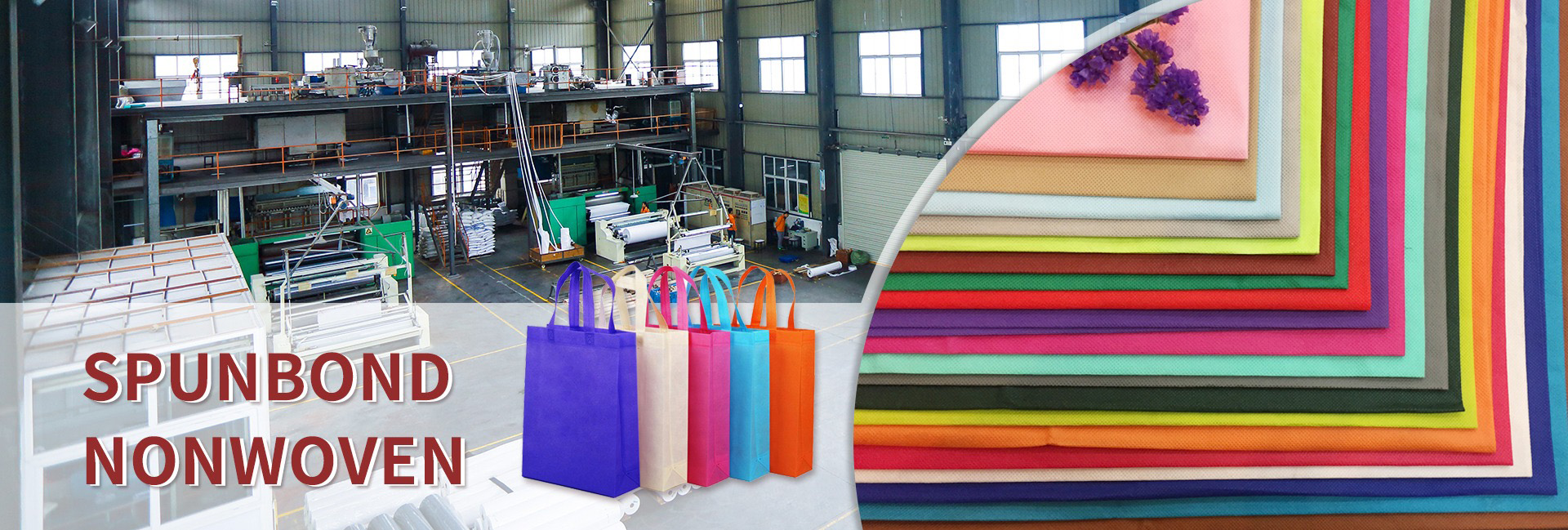
From the beauty mirror to the medical bedside, a “soft revolution” about non-woven fabrics is quietly changing the daily lives of hundreds of millions of sensitive skin people.
A material science breakthrough in a new type of ultra soft spunbond non-woven fabric is bringing good news to billions of sensitive skin patients worldwide. The latest research results show that materials scientists have successfully developed spunbond nonwoven fabrics with ultra soft properties, excellent breathability, and low allergenicity through biopolymer compounding technology and biomimetic structural design.
This innovative material has shown broad application prospects in the fields of hygiene products, medical dressings, and sensitive skin care, and is expected to end the long-standing dilemma of “comfort and safety cannot be achieved simultaneously” faced by sensitive skin populations.
“Close fitting dilemma” for sensitive skin: difficulty in balancing comfort and protection
Sensitive skin is not a strict medical diagnosis, but it affects the daily lives of nearly 40% of adults worldwide. This type of skin is extremely sensitive to environmental factors and chemical stimuli, and is prone to stinging, burning, itching, and tightness.
Traditional non-woven fabrics often become a “source of irritation” for sensitive skin due to their coarse fibers, hard texture, and residual chemicals.
Most non-woven fabric products on the market have to sacrifice material flexibility and biocompatibility in order to pursue strength and cost-effectiveness. For people with sensitive skin, this means an endless compromise:
In the field of disposable hygiene products, rough materials and prolonged skin contact often cause friction discomfort;
In medical settings, repeated adhesion and removal of traditional dressings from the skin may cause secondary damage;
In daily care, residual chemical components may cause allergic reactions.
Breakthrough in Materials Science: Reshaping the Soft Essence of Non woven Fabrics from the Source of Fibers
The technological breakthrough of ultra soft spunbond nonwoven fabric began with the molecular level reconstruction of fiber raw materials.
A patented technology shows that the new ultra soft spunbond non-woven fabric adopts a multi-component composite raw material system:
Polyethylene terephthalate (55-65 parts) provides the basic skeleton structure;
Polyurethane elastomer (25-32 parts) endows the material with excellent elasticity;
Polyethylene glycol adipate (7-10 parts) enhances plasticity;
Linear low-density polyethylene (5-7 parts) improves processing performance;
Metallic linear low-density polyethylene (9-12 parts) reinforced fiber strength;
Oxidized polyethylene (4-6 parts) enhances surface lubricity.
This composite formula breaks the limitations of traditional spunbond nonwoven fabrics with a single raw material, and balances the mechanical properties and tactile softness of the material at the molecular level through precise proportioning of polymer chains.
The patented technology also specifically designs a preparation process for polyurethane elastomers, which uses a five component ratio of 1,6-hexanediol adipate, polyethylene glycol, ethoxytrimethylolpropane, silane coupling agent KH-570, and hexamethylene diisocyanate to give the fibers permanent softness instead of temporary softness obtained through post-processing.
Technical Core: Biomimetic Design and Technological Innovation
The key technology to achieve ultra soft characteristics lies in biomimetic structural design and technological innovation.
In terms of structural design, researchers drew inspiration from nature to simulate the surface microstructure of lotus leaves and the morphology of spider silk fibers, creating a three-dimensional mesh fiber network with microporous channels.
This structure not only reduces the contact area between the material and the skin, reduces friction, but also forms a unidirectional moisture conduction effect, which can quickly guide moisture from the skin surface to the outer layer, keeping the contact surface dry.
In terms of technology, the breakthrough of water jet solidification technology has played a key role. Unlike traditional hot rolling or chemical bonding, high-pressure micro water flow punctures the fiber web, causing the fibers to entangle with each other without thermal damage.
The resulting in material achieves an exceptionally soft feel and high fluffiness while maintaining its strength.
The innovative achievements of Zhongtai Henghui Company reflect this technological trend, with its development of ultra soft cotton Sail ® Minsale ® Water jet fabric, derived from 100% cotton short fibers, combined with unique water jet technology, creates an additive free ultra soft water jet fabric that is softer in wet conditions and has a higher degree of skin adhesion.
This material achieves ultra softness through physical means rather than chemical additives while maintaining the natural skin friendly properties of cotton fibers, making it particularly suitable for infants, young children, and sensitive skin populations.
Performance leap: coexistence of super flexibility and toughness
The performance breakthrough of the new ultra soft spunbond non-woven fabric is manifested in multiple dimensions:
Texture softness: The friction coefficient of the material surface is reduced to below 0.3, and the feel is comparable to natural cotton fibers, with better wet softness
Mechanical properties: The longitudinal and transverse strength ratios tend to balance, and the tear strength increases by about 30%. It is not easily damaged during use
Breathability: With a porosity rate of over 70% and an air permeability of over 400L/m ² · s, it far exceeds traditional non-woven fabric materials
Safety: Meets medical grade biosafety requirements through skin irritation testing, cytotoxicity testing, and allergen testing
Environmental characteristics: Some products use renewable raw materials and biodegradable designs, and have obtained EU biodegradable certification
Of particular note is that these materials maintain their ultra soft properties without sacrificing their basic mechanical properties as functional materials, achieving a perfect combination of softness and toughness.
Application prospects: a scene revolution from medical care to daily hygiene
The application of ultra soft spunbond nonwoven fabric is rapidly expanding from the medical field to various aspects of daily life.
In the medical field, this material is used to make low allergenic wound dressings, postoperative care products, and medical gauze. The skin care desensitization fabric technology developed by the Taiwan Textile Industry Comprehensive Research Institute uses key technologies such as “desensitization factor screening”, “composite fiber manufacturing”, and “formula formulation” to prepare desensitized fibers with an allergen non activation rate of over 90%, and has passed strict tests for skin redness, swelling, irritation, and allergenicity.
In the field of hygiene products, ultra soft spunbond non-woven fabric is becoming the preferred material for high-end maternal and child products, female hygiene products, and adult incontinence care products. The “Xue Mian Duo Duo” brand cotton source products and “Xi Si” brand wood source products developed by Zhongtai Henghui Company accurately reach different levels of consumer groups through differentiated brand strategies.
In the field of personal care, the facial mask base cloth, cotton pad and disposable towel made of super soft non-woven fabric provide safe and comfortable choices for consumers with sensitive muscles. Zhongtai Henghui’s wet compress water prick cloth product is “flexible and not easy to shed fluff, strong water locking, high elasticity, easy to fit, and can stretch twice its own length at will”, which has been widely praised by downstream customers.
With the continuous maturity of technology, ultra soft spunbond non-woven fabric is expected to find new application space in high-end clothing lining, home textiles, and smart wearable devices.
Future direction: Integration of intelligence and sustainable development
The future development of ultra soft spunbond nonwoven fabrics will focus on two directions: functional integration and green sustainability.
In terms of functional integration, researchers are trying to integrate microcapsule technology, sensing fibers, and self-healing functions into ultra soft non-woven fabrics. A study reported a kind of fabric with self-healing ability. By dipping the surface modified silica nanoparticles and polymer ion gel, the fabric can achieve self-healing ability at room temperature while retaining the porous structure and permeability.
This technology is expected to be applied to ultra soft spunbond nonwoven fabrics in the future, extending product lifespan and reducing waste generation.
In terms of sustainable development, enterprises are actively exploring renewable raw materials, energy-efficient manufacturing, and closed-loop recycling. Zhongtai Henghui Company utilizes the resource advantages of Xinjiang to produce water from Tianshan Snow Water, which is treated with multi-stage filtration and RO reverse osmosis technology. The water quality is higher than the drinking water standard, truly realizing the concept of “good water makes good cloth”.
With the requirements of the 15th Five Year Plan for green manufacturing and sustainable development, the ultra flexible non-woven fabric industry will further strengthen the research and application of environmental protection processes and biodegradable materials.
The innovative path of ultra soft spunbond nonwoven fabric from laboratory to market has just begun. With further refinement of fiber structure by materials scientists, there will be more breakthrough products in the future.
As an industry expert once said, ‘The most thoughtful material is one that makes the skin not feel its presence.’.
In the foreseeable future, people with sensitive skin may no longer need to worry about finding suitable products, as comfort and safety will eventually become the basic attributes of every non-woven fabric product.
Dongguan Liansheng Non woven Technology Co., Ltd. was established in May 2020. It is a large-scale non-woven fabric production enterprise integrating research and development, production, and sales. It can produce various colors of PP spunbond non-woven fabrics with a width of less than 3.2 meters from 9 grams to 300 grams.
Post time: Dec-05-2025