
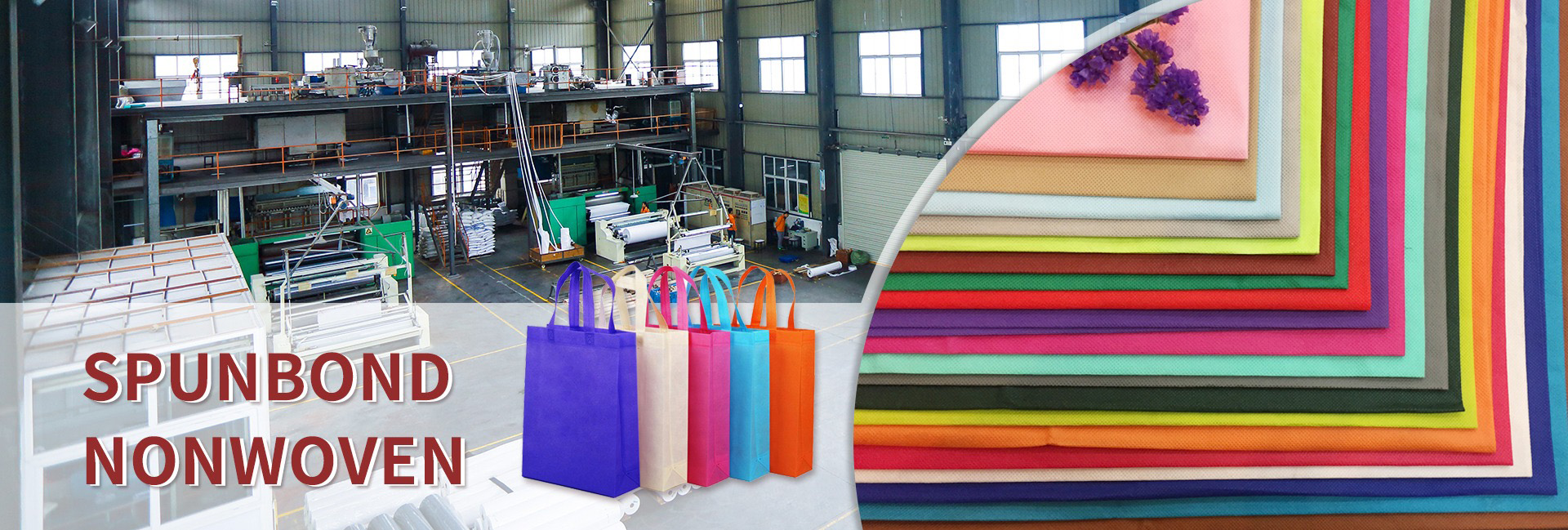
Under the strategic pattern of new infrastructure deepening in China and the Belt and Road Initiative opening up the world, domestic anti-aging polypropylene non-woven fabric is leaping from “niche building materials” to “strategic materials”. Relying on its core advantages of aging resistance, high strength, corrosion resistance, air permeability and water permeability, it is deeply embedded in the backbone network of new domestic infrastructure.
At the same time, it is moving towards the global infrastructure stage along the the Belt and Road, becoming a key carrier to accept the dividends of the times. For industry enterprises, understanding the market logic, technological requirements, and competition rules under the dual wheel drive is the key to breaking through and transforming material advantages into industrial victories.
The wind of the times: new infrastructure+the the Belt and Road, building a 100 billion level demand matrix
The new infrastructure and the the Belt and Road are not isolated, but form a two wheel drive of “domestic demand expansion+external demand release”, opening up two major incremental markets for anti-aging polypropylene non-woven fabrics, namely, domestic+overseas , and the demand shows an explosive growth trend.
New infrastructure deeply cultivates the domestic market, laying a solid foundation for basic needs
The new infrastructure covers five core areas of “ transportation, energy, water conservancy, municipal, agriculture and rural ”, and the anti-aging polypropylene non-woven fabric (commonly known as “geotextile/grass proof fabric”) is the “just needed primer” for these projects. The core role is “ seepage prevention, isolation, reinforcement, protection, grass suppression ”, which directly determines the durability and stability of the project.
-Traffic infrastructure: in the construction of high-speed railway, expressway and airport runway, it is used as subgrade isolation layer and slope protection layer to resist rain wash and subgrade settlement. It is required that anti-aging life ≥ 5 years, tensile strength ≥ 8kN/m , and a thousand km expressway alone will consume more than ten million square meters.
-Energy infrastructure: the site seepage prevention, vegetation restoration, sand prevention and fixation of photovoltaic power stations, wind power bases and energy storage power stations. Under the strong ultraviolet environment in northwest China, the anti-aging life needs to reach 8-10 years , and the domestic demand for photovoltaic supporting geotextiles will exceed 50 million square meters in 2025.
-Water conservancy and municipal administration: impervious protective layer of reservoir, river course and artificial lake, leachate drainage layer of landfill, permeable layer of sponge city rainwater garden, long-term contact with water, acid and alkali, acid and alkali resistance, anti-aging are hard indicators.
-New agricultural infrastructure: grass prevention, moisture preservation and heat preservation of high standard farmland, smart orchard and facility agriculture can replace the traditional plastic film, and anti-aging 3-5 years can reduce the cost of manual weeding by 80%, with the national market scale exceeding 20 billion yuan.
The Belt and Road Initiative is open to the world, opening up overseas incremental space
The the Belt and Road covers more than 60 countries and regions, such as Southeast Asia, the Middle East, Africa, and Central Asia . These regions are at the peak of infrastructure construction, and most of them are in extreme environments such as high temperature, strong ultraviolet radiation, saline alkali land, and desert . The requirements for aging resistance and weather resistance of materials are far beyond the ordinary standards, and they are highly consistent with the performance of domestic anti-aging polypropylene non-woven fabrics.
-Southeast Asia: Indonesia, Malaysia, and Vietnam have intensive high-speed rail, port, and water conservancy projects. In 2024, 70% of the geotextile projects undertaken by Chinese enterprises rely on imports, while domestic products have the advantages of cost-effectiveness and customization, resulting in a year-on-year increase of 25.6% in export value.
-Middle East and Africa: deserts are widely distributed and ultraviolet radiation is extremely strong, such as the Saudi Arabia New Future City and Egypt New Capital projects, which require geotextiles to have stable performance at high temperatures of 80 ℃ and a wind erosion resistance life of ≥ 10 years. Domestic basalt fiber-reinforced products have successfully replaced imports.
-Central Asia: Frequent freeze-thaw cycles (over 150 times per year), high requirements for low-temperature brittleness of materials. Domestic POE toughened needle punched cloth meets the strength standard at -40 ℃ and has been applied in the supporting project of the China Kyrgyzstan Uzbekistan Railway.
At the policy level, high-end geotextiles have been included in China’s key export commodity catalog, enjoying a full 13% tax rebate, convenient customs clearance, and credit insurance support, further reducing export barriers and helping domestic materials seize global market share.
Core confidence: technological breakthroughs+cost advantages, comprehensive acceleration of domestic substitution
In the past, high-end anti-aging polypropylene non-woven fabrics have been monopolized by foreign brands for a long time, and their core cards are anti-aging additives, fiber modification, and production process three major technical barriers. Nowadays, domestic enterprises have gone through ten years of “industry university research application” research and development, achieving independent and controllable technology+significant cost advantages , laying a solid foundation for undertaking the dual wheel drive dividend.
Technological breakthrough: breaking the monopoly and achieving international leading performance
Anti aging is the core competitiveness. Domestic enterprises have pioneered the “UV absorption reflection free radical capture” triple collaborative light aging system to solve the industry pain point of traditional products that are “strong and fragile, stretch and shrink, and easy to age”.
-Raw material upgrade: Using new polypropylene (PP) or polyethylene (PE) raw materials instead of recycled materials, with less impurities and stable structure, the tensile strength reaches 3.8cn/dtex , and the elongation at break is increased by 12.3%.
-Additive Innovation: Added independently developed UV resistant masterbatch, light stabilizer, and antioxidant. After testing, the strength retention rate after 1500 hours of xenon lamp aging is ≥ 85%, far exceeding 50% of ordinary products. The lifespan has been extended from 1-2 years to 5-10 years.
-Process optimization: Adopting a spunbond/needle punched composite process, the fibers are evenly distributed (with a precision of 1-2 microns), and the weight is precise (90-150g/㎡), balancing strength, toughness, and permeability.
At present, domestic high-end products have passed international certifications such as SGS and ISO4892-2, successfully replacing imports and applied in super projects such as the Hong Kong Zhuhai Macao Bridge, Sichuan Tibet Railway, and Wuwei Expressway.
Cost advantage: cost-effectiveness crushing, highlighting global competitiveness
Compared with foreign brands, the domestic anti-aging polypropylene non-woven fabric has the triple cost advantages of self-sufficient raw materials, centralized production capacity and low labor costs , and the price is only 50% -70% of the imported products.
-On the raw material side: China’s total polypropylene production capacity has exceeded 45 million tons per year, with a self-sufficiency rate of 85% for non-woven fabric specialty materials, stable prices, and avoiding imported raw material premiums.
-Capacity side: Domestic production capacity accounts for 44% of the global total, with industries concentrated in Shandong, Zhejiang, and Guangdong, forming an integrated industrial chain of “raw materials modification production processing”, and reducing unit costs through large-scale production.
-Policy side: domestic environmental protection policies were tightened, forcing backward production capacity to be cleared, leading enterprises concentrated resources on high-end anti-aging products, cost performance+quality improved, quickly seizing domestic and foreign markets.
Dividend Capture: Four Strategies to Help Enterprises Seize Double Wheel Drive Opportunities
In the face of the trillion market driven by two wheels, domestic anti-aging polypropylene non-woven fabric enterprises need to abandon the “low price inner roll” thinking and focus on * * technology upgrading, standard output, scene customization, brand going to sea * * to accurately capture the dividend of the times and achieve high-quality development.
Deep ploughing technology: focusing, anti-aging and upgrading to overcome extreme environmental pain points
Technology is fundamental, and enterprises need to continuously increase their R&D investment, focusing on breakthroughs in three major directions:
1. Extreme environment adaptation: develop high temperature resistant (80 ℃), low temperature resistant (-40 ℃), salt alkali resistant, sand resistant special products to meet the differentiated needs for the high temperature, cold, saline alkali and strong ultraviolet scenarios along the the Belt and Road.
2. Green and low-carbon transformation: in response to the “double carbon” goal, we developed bio based polypropylene (Bio PP), recycled polypropylene (RPP) anti-aging nonwoven fabrics, reduced carbon emissions, obtained international green certification such as ISCC PLUS, and broke through the EU carbon tariff barrier.
3. Intelligent upgrade: Embedded sensors, developed intelligent geotextiles , real-time monitoring of engineering settlement, leakage, and aging status, improving engineering operation and maintenance efficiency. The market share of intelligent products is expected to reach 15% by 2025.
Benchmarking International: Developing Chinese standards, from “product output” to “standard output”
Standards are the right to speak. Domestic enterprises need to work together with industry associations and scientific research institutions to promote the internationalization of China’s anti-aging non-woven fabric standards :
-Improve domestic standards: unify core indicators such as gram weight, tensile strength, anti-aging life, water permeability coefficient, etc., put an end to the confusion of “gram weight false standard, additives stolen province, recycled materials posing as new materials”, and purify the market environment.
-Matching international standards: promote mutual recognition between Chinese standards and international standards such as ISO and ASTM, promote Chinese standards in countries along the the Belt and Road, and make domestic products international infrastructure standard configuration .
-Strengthen certification endorsement: Actively obtain international certifications such as SGS, CE, ISO4892-2, etc., prove product performance with authoritative data, and break down trust barriers in overseas markets.
Scenario customization: Accurately match requirements and create “engineering solutions”
There are significant differences in product specifications and performance requirements in different scenarios. Enterprises need to abandon the “one size fits all” model and provide scenario customization+full process services :
-Domestic scenarios: For transportation infrastructure, choose high-strength models with a weight of 120-150g/㎡, for agriculture, choose black shading models with a weight of 90-120g/㎡, and for water conservancy, choose thickened models with acid and alkali resistance.
-Overseas scene: Southeast Asia focuses on water permeability and seepage prevention , Middle East Africa focuses on high temperature and aging resistance , and Central Asia focuses on low temperature and freezing thawing resistance .
-Service extension: shifting from “selling materials” to “selling solutions”, providing full process services including site survey, specification design, laying guidance, and post maintenance to enhance customer stickiness.
Brand Going Global: Leveraging Policy Trends to Build a Global Marketing Network
The the Belt and Road provides a golden channel for domestic materials to go to sea. Enterprises need to seize the opportunity, from “OEM” to “self owned brand” :
-Channel layout: rely on Chinese funded infrastructure enterprises to enter the supply chain of projects along the the Belt and Road; Set up offices and warehouses in Southeast Asia, the Middle East, and Africa to shorten delivery cycles and improve service response speed.
-Policy leverage: Make good use of export tax rebates, customs clearance facilitation, and credit insurance support policies to reduce the cost of going abroad; Participate in international engineering machinery exhibitions and agricultural exhibitions, showcase product strength, and connect with overseas customers.
-Brand building: tell the story of “Chinese materials” well, highlight the advantages of independent technology, reliable quality, and high cost-effectiveness, get rid of the label of “low price and low quality”, and create an internationally renowned brand.
Avoiding pitfalls reminder: Beware of three major risks, move steadily to enjoy long-term dividends in the distance
While dual wheel drive brings opportunities, it also carries hidden risks. Enterprises need to be vigilant about the following three points to avoid pitfalls:
1. Reject the low price inner volume: Do not steal anti-aging additives, fake labels and weights, and use recycled materials as new materials to become “fake anti-aging” products in order to seize the market, make short-term profits, destroy reputation for a long time, and miss high-end market opportunities.
2. Avoid technological homogenization: Avoid blindly following trends, focus on segmented scenarios, create differentiated technological advantages, and prevent falling into the quagmire of “price wars”.
3. Pay attention to overseas compliance: learn about the environmental protection regulations, quality standards and tariff policies of countries along the the Belt and Road in advance, prepare for certification and compliance, and avoid the project being blocked due to compliance issues.
Conclusion
New infrastructure is deeply rooted in China, and the Belt and Road Initiative is open to the world. Driven by two wheels, the domestic anti-aging polypropylene non-woven fabric ushers in an unprecedented golden development period. From technological breakthroughs to breaking monopolies, to cost advantages crushing competitors, and to fully opening up market space, domestic materials have the core strength to undertake the dividends of the times.
For industry enterprises, only adhering to the original intention of technology, deeply cultivating the needs of the scene, benchmarking international standards, and firm brand going to sea can seize the first opportunity in the trillion level market, and build the domestic anti-aging polypropylene non-woven fabric into a new business card of “Made in China Intelligently”, and ride the wind and waves in the wave of the times driven by two wheels to achieve stability and reach a far future.
Do you want me to compile the core data, key technical indicators, and compliance points for overseas operations from the article into a usable execution checklist?
Dongguan Liansheng Non woven Technology Co., Ltd. was established in May 2020. It is a large-scale non-woven fabric production enterprise integrating research and development, production, and sales. It can produce various colors of PP spunbond non-woven fabrics with a width of less than 3.2 meters from 9 grams to 300 grams.
Post time: Apr-23-2026