
To achieve an intelligent composite non-woven fabric that combines fire prevention, heat insulation, sound absorption functions, and integrates sensors, the core lies in designing a multi-layer composite system, with each layer focusing on achieving core functions and using intelligent sensors to achieve early warning.
Detailed explanation and technical solutions for each functional layer
To implement the above architecture, specific technical solutions are required for each layer:
1. Fireproof and flame-retardant layer (outer layer)
Core requirements: First time flame retardant, high temperature resistance, and maintaining structural integrity.
Materials and processes
Substrate: Preferred intrinsic flame-retardant fibers such as aramid 1313, pre oxidized silk, and flame-retardant adhesive. If cost is considered, polyester and polypropylene can be post treated with flame retardants (impregnated with flame retardants) or spun using flame retardant masterbatch.
Enhancement technology: using needle punching, hydroneedling, or hot rolling processes for reinforcement. Ceramic coating can be applied on the surface to form a hard carbonized layer at high temperatures, effectively blocking flames and heat.
2. Thermal insulation protective layer (intermediate layer)
Core requirement: To block heat conduction to the maximum extent possible and protect the backing layer and objects behind it.
Materials and processes
Material selection: Use high fluffiness and porous fibers, such as hollow/three-dimensional curled polyester, rock wool/glass wool (to be coated), phase change material microcapsule fibers. Pores are excellent insulation materials.
Structural design: Manufacturing low-density, high thickness fluffy fiber webs through high fluffiness combing or airflow forming processes, containing a large amount of static air inside. It can be laminated with the fireproof layer.
3. Acoustic backing layer (inner/back layer)
Core requirement: Absorb and dissipate sound wave energy, reduce noise.
Materials and processes
Sound absorption mechanism: mainly relies on porous sound absorption and resonant sound absorption.
Implementation path: Using ultrafine fibers (such as melt blown ultrafine polyester) to manufacture microporous structures with high specific surface area and high porosity; Or design a gradient density structure (with pores increasing from small to large from the outside to the inside) to enhance the broadband sound absorption effect.
Key considerations for system integration and intelligence
Integrating the above functions and endowing them with “intelligence” still requires addressing:
Process Composite: Layers can be bonded together through needle punching composite, hot melt bonding (using low melting point fibers or powders), or environmentally friendly water-based adhesive lamination. Need to balance adhesion and flexibility.
Intelligent integration (warning function):
Sensor integration: As discussed earlier, flexible temperature sensors (such as thermocouples/thermal resistance fibers) and conductive fiber strain sensors can be woven or embedded in fire-resistant or insulation layers.
System setup: The sensor network is connected to flexible circuits or micro acquisition modules, and data is analyzed through a micro processing unit (MCU) to trigger sound and light alarms or wirelessly transmit alarms to mobile phones/monitoring centers via low-power Bluetooth (BLE).
Performance balance and challenges:
Thickness/weight and flexibility: The combination of functions will increase thickness and weight, and a balance needs to be sought through material selection and structural optimization (such as using ultra lightweight insulation materials).
Durability and reliability: It is necessary to ensure that the composite structure does not delaminate under long-term use, bending, temperature and humidity changes, and that the sensor signal is stable.
Cost control: The cost of intrinsic flame-retardant fibers and sensors is relatively high, and the selection of materials needs to be based on different market positioning such as high-end protection (such as special firefighting suits, aerospace interiors) or industrial and civilian (such as soundproof and heat-insulating curtains in computer rooms, high-end building materials).
Research and application suggestions
Clear priority indicators: Determine the weight of each function based on specific applications (such as fire blankets prioritizing fire prevention or machine room linings prioritizing sound insulation), guide material selection and structural design.
Step by step development verification:
Step 1: Develop and optimize single functional layers (flame retardant fabric, insulation cotton, sound-absorbing felt) separately.
Step 2: Test the composite process and assess the basic physical properties and functional retention rate of the composite.
Step 3: Integrate sensors and circuits to conduct system functional testing in simulated environments (high temperature, sound field).
Pay attention to standards and certifications: Products need to be tested and certified according to relevant field standards, such as flame retardancy (GB 8624 Combustion Performance of Building Materials), thermal insulation (thermal conductivity), sound absorption (noise reduction coefficient NRC), etc.
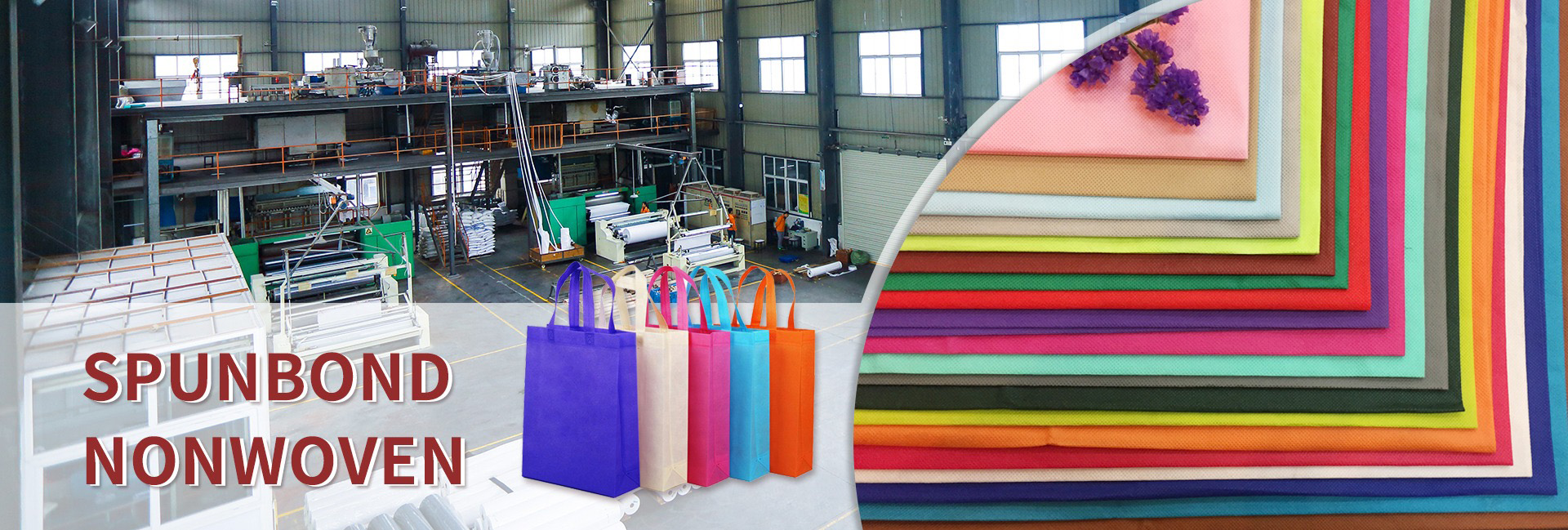
Dongguan Liansheng Non woven Technology Co., Ltd. was established in May 2020. It is a large-scale non-woven fabric production enterprise integrating research and development, production, and sales. It can produce various colors of PP spunbond non-woven fabrics with a width of less than 3.2 meters from 9 grams to 300 grams.
Post time: Dec-10-2025