
Quilt, pillow, cushion, doll… These are things that are commonly used in daily life or have close contact with the human body. When choosing home textile products, in addition to fabrics, understanding the types and characteristics of filling materials can help choose suitable products and improve living comfort.
Home textile filling fiber generally refers to a type of filling material used to manufacture household items such as quilts, pillows, and cushions. Common filling materials include natural fibers (such as down and cotton), synthetic fibers (such as polyester fibers), and blended materials. Natural fibers typically provide good breathability and comfort, while synthetic fibers have better durability.
Advantages in Environmental Protection Applications
In the field of modern home textiles, we are constantly seeking materials that perfectly combine comfort and environmental protection. This article will mainly introduce the application of polylactic acid (PLA) fibers in the field of home textile filling.
In terms of home textile applications, a major challenge that troubles users is the problem of “mites”! As an ecological fiber, polylactic acid fiber has significant advantages in this field of application.
1. Antibacterial, mite proof, mold proof, deodorizing
The anti mite principle of polylactic acid fiber lies in its weak acidity of lactic acid on the surface, which has natural antibacterial properties and can effectively inhibit the growth of mites. At the same time, it has the effect of preventing mold and odor.
2. Natural skin friendly and anti allergic properties
Polylactic acid is derived from lactic acid, which is an endogenous substance in the human body. PLA fiber has good biocompatibility, excellent affinity with the skin, and no allergenicity.
3. Biodegradability and recyclability
Compared with other synthetic fibers, the biggest advantage of PLA fiber is that it is easily decomposed in natural environments, and the carbon dioxide and water produced by decomposition do not pollute the environment. It can also re-enter the ecological cycle through the photosynthesis of green plants.
In addition, PLA fibers also perform well in terms of related physical properties! Fiber filling materials usually have certain requirements for the resilience of the material to maintain the fluffiness and aesthetics of the product.
Advantages in specific applications
1. Resilience and smoothness
The macromolecular structure of PLA fiber determines its good resilience, and the elastic recovery rate of polylactic acid fiber is as high as 93% when subjected to 5% tensile deformation. The PLA three-dimensional curled fibers developed by Lianshen for home textile filling applications have excellent resilience.
2. Moisture regain and breathability
Polylactic acid fiber is a lightweight fiber that can quickly recover dryness after being dampened or soaked in water. In addition, it also has good breathability.
3. Extinguish immediately after leaving the fire, reduce smoke and be non-toxic
Polylactic acid fiber is not easy to burn, extinguishes immediately upon ignition, has no black eye toxic gas emissions, and has good safety in use.
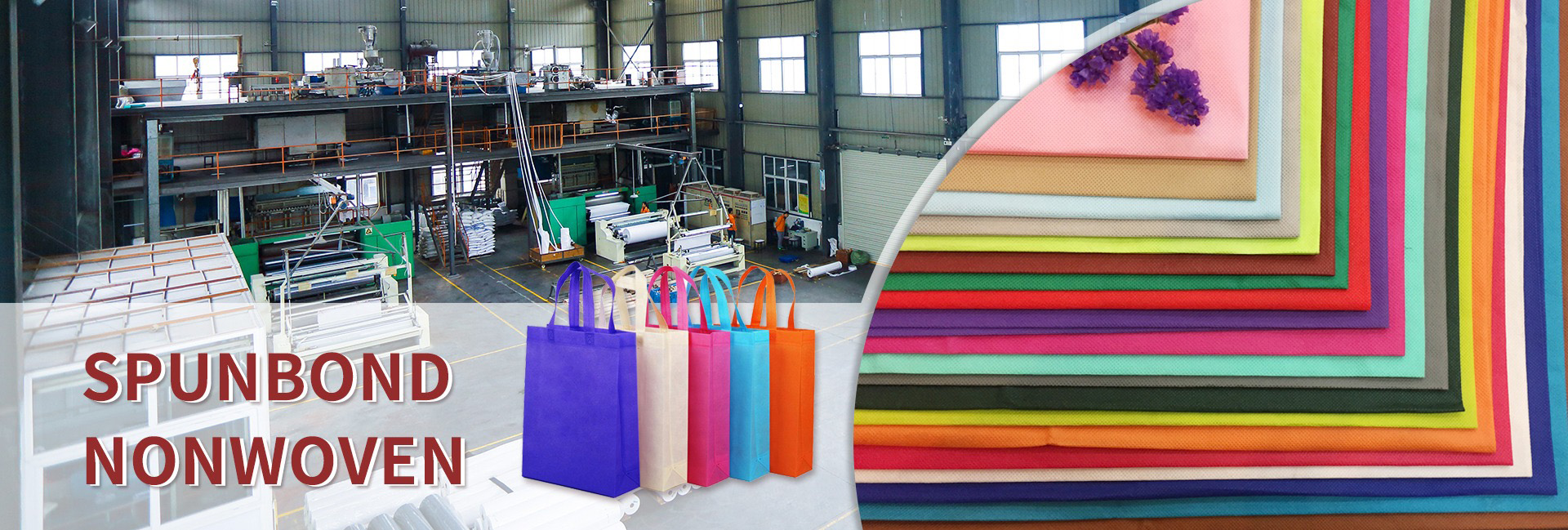
Dongguan Liansheng Non woven Technology Co., Ltd. was established in May 2020. It is a large-scale non-woven fabric production enterprise integrating research and development, production, and sales. It can produce various colors of PP spunbond non-woven fabrics with a width of less than 3.2 meters from 9 grams to 300 grams.
Post time: Jan-28-2025