
When we look ahead to today’s technological development, polymer materials are undoubtedly a very important part. In this era full of opportunities and challenges, understanding the popular directions of the polymer materials industry is crucial for the future development of the industry.
Energy sector
Under the strong push of the “dual carbon” target, the demand for polymer materials in the energy sector has grown sharply.
Let’s take power batteries as an example. Lithium battery separator is one of the key components of power batteries. Polymer materials such as polyethylene (PE) membranes, polypropylene (PP) membranes, and PE and PP composite multilayer microporous membranes dominate the commercial lithium battery membranes.
These materials require high ion conductivity and excellent isolation performance to ensure the safety and high performance of the battery.
Solid state batteries, as the development direction of future power batteries, have opened up new doors for us with polymer solid electrolyte materials such as polyethylene oxide (PEO), polyvinylidene fluoride (PVDF), polyacrylonitrile (PAN), polymethyl methacrylate (PMMA), etc.
These polymer electrolyte materials will play a key role in improving the safety, stability, and performance of batteries.
Photovoltaic field
Photovoltaic film is an important component of photovoltaic modules, and common materials such as EVA film and POE film perform well in commercial applications.
EVA film usually has an optical transparency of over 90%, a tensile strength of over 15MPa, and a fracture elongation of over 600%. In terms of weather resistance, it can maintain stable performance within the temperature range of -40 ℃ to 85 ℃, effectively resist the influence of environmental factors such as ultraviolet radiation and humidity, and ensure a service life of over 25 years.
The optical transparency of POE film is also excellent, generally around 90%. Its tensile strength can reach 18MPa or even higher, and its elongation at break can exceed 700%. In terms of weather resistance, POE adhesive film has a lower water vapor transmission rate, usually less than 1g/m ²/day, which can better protect solar cells from water vapor erosion.
Its working temperature range can be between -50 ℃ and 100 ℃, which can adapt to more harsh environmental conditions, and its service life can also reach 25 years or even longer.
They have good optical transparency, mechanical strength, and weather resistance, ensuring efficient operation and long lifespan of solar cells.
The back panel material of photovoltaic panels also adopts a composite structure, with PET film as the base film, fluorine film or other plastic film adhered to both sides of the base film through adhesives, and fluorine-containing resin films such as polyvinyl fluoride (PVF) film and polyvinylidene fluoride (PVDF) film, which provide strong support for the efficient utilization of solar energy due to their excellent insulation, weather resistance and barrier properties.
Biomedical field
With the increasing emphasis on health and the continuous advancement of medical technology, the demand for polymer materials in the field of biomedicine is also constantly increasing. In terms of biomedical materials, polymer materials have the advantages of good biocompatibility, degradability, and plasticity, which can meet the special requirements of the biomedical field.
Degradable polymer materials can be used to manufacture surgical sutures, fracture fixation materials, etc., gradually degrading inside the human body to avoid the pain of secondary surgery; Polymer materials with good biocompatibility can be used to manufacture artificial joints, pacemakers, etc., and can be well combined with human tissues to improve the safety and effectiveness of medical devices.
By designing and synthesizing polymer materials with specific structures and properties, precise drug delivery and controlled release can be achieved. For example, nanoparticles made of polymer materials can encapsulate drugs inside and deliver them to the lesion site through targeted action, improving the therapeutic effect of drugs while reducing their side effects.
The development of environmentally friendly materials cannot be ignored
In today’s world where environmental protection is increasingly valued, environmentally friendly polymer materials have become a development trend in the industry. On the one hand, biodegradable polymer materials have attracted much attention. This type of material can be decomposed by microorganisms into harmless substances in the natural environment and will not cause pollution to the environment.
Biodegradable polymer materials such as polylactic acid (PLA) and polyhydroxyalkanoates (PHA) have been widely used in packaging materials, disposable tableware, agricultural films, and other fields.
On the other hand, the recycling and reuse of polymer materials is also a hot research topic. By developing efficient recycling technologies and reprocessing processes, discarded polymer materials can be transformed into new products, achieving resource recycling and reducing environmental pressure.
The research and development of high-performance materials is one of the key directions in the polymer materials industry.
We can significantly improve the mechanical properties of polymer materials, such as strength and toughness, by controlling their molecular structure and orientation. The application prospects of this high-strength polymer material are extremely broad.
In the aerospace field, it can be used to manufacture structural components and parts of aircraft. The weight of the aircraft can be reduced, and the flight performance and fuel efficiency can be significantly improved. In the field of automobile manufacturing, high-strength polymer materials can be used to manufacture body and engine components. This can not only improve the safety of cars, but also enhance fuel economy.
The research and development of high-performance materials is of great significance
On the one hand, it meets the high-performance requirements of materials in different fields. Industries such as aerospace and automotive manufacturing are constantly pursuing lighter, stronger, and more efficient materials, and high-strength polymer materials can provide strong support for the development of these industries.
On the other hand, the development of high-performance materials has also driven technological progress in the polymer materials industry, prompting us to continuously explore new methods for material structure and performance control. Classmates, in this field full of opportunities and challenges, we hope everyone can work hard to learn professional knowledge and contribute their own strength to the development of the polymer materials industry.
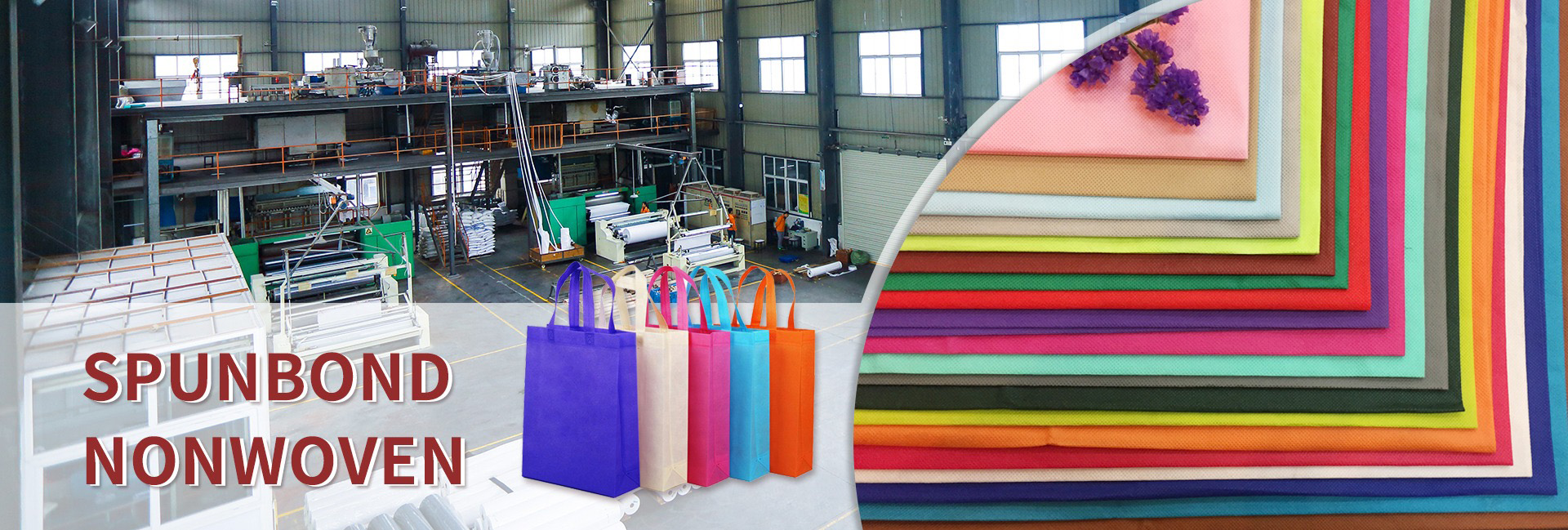
Dongguan Liansheng Non woven Technology Co., Ltd. was established in May 2020. It is a large-scale non-woven fabric production enterprise integrating research and development, production, and sales. It can produce various colors of PP spunbond non-woven fabrics with a width of less than 3.2 meters from 9 grams to 300 grams.
Post time: Jan-20-2025