
The safety inspection and preparation before starting the fully automatic non-woven bag making machine are the core prerequisites for ensuring the smooth operation of the equipment, the safety of operators, and the stability of product quality. The principle of “safety confirmation first, equipment debugging later, static inspection first, dynamic trial operation later” must be strictly followed, covering the four dimensions of personnel, equipment, materials, and environment comprehensively. The specific process is as follows:
Pre safety inspection (core priority, eliminate safety hazards)
The safety inspection must be carried out by personnel with operational qualifications. Electricity and ventilation are strictly prohibited throughout the process to ensure that the equipment is completely shut down. The focus is on identifying safety hazards in key systems such as mechanical, electrical, and pneumatic systems.
1. Confirmation of personnel safety protection
Operators are required to wear protective equipment in accordance with regulations: wear cut resistant gloves (to avoid scratching mechanical parts), anti slip work shoes, long hair should be tucked into a work cap, and metal jewelry such as necklaces, bracelets, rings, etc. are prohibited to avoid getting caught up in equipment transmission components. At the same time, confirm that there are no unrelated personnel staying on site, designate a safe area for equipment operation (radius ≥ 1.5 meters), set up warning signs, and prevent unrelated personnel from entering the dangerous area by mistake after turning on the machine.
2. Mechanical structure safety inspection
-Protective device: Check whether all protective covers of the equipment (key parts such as transmission rollers, cutting blades, heat sealing mechanisms, etc.) are intact, firm, without missing, loose or deformed, to ensure that the protective covers can effectively isolate moving parts and prevent injury caused by human contact.
-Transmission components: manually rotate the motor flywheel, check whether the transmission components such as conveyor belt, gears, chains, bearings, etc. are flexible, without jamming, abnormal noise or looseness, the tension of the chain is moderate (sagging ≤ 5mm), the bearing lubrication is sufficient, and there is no severe rusting or wear.
-Key execution components: Check whether the cutting blade, heat sealing blade, pressure roller and other components are intact, whether the cutting edge is cracked or passivated, whether the surface of the heat sealing blade is stained or deformed, and whether the surface of the pressure roller is damaged or free of foreign objects attached; Simultaneously confirm that the safety interlock devices of the cutting blade and heat sealing mechanism are effective, meaning that the equipment cannot start and operate when the protective cover is opened.
-Tightening situation: Check the equipment body, frame, and component connection bolts and nuts one by one for tightness, without looseness or detachment. Especially for parts with high vibration (such as feeding mechanism and cutting tool holder), it is necessary to focus on rechecking the tightening status.
3. Electrical system safety inspection
-Wiring and connectors: Check whether the power lines, control lines, and signal lines are intact, without damage, aging, exposure, or insulation layer detachment. The connectors should be plugged and unplugged firmly, without looseness or oxidation. The wiring should be arranged neatly, without entanglement or compression, to avoid short circuits or leakage.
-Distribution box and switch: Open the distribution box and check whether the internal circuit breakers, contactors, fuses and other components are normal, without burning, odor or looseness, and the wiring terminals are tightened; The emergency stop button and start/stop switch of the equipment are sensitive and reliable. When the emergency stop button is pressed, the power can be quickly cut off without any damage or jamming on the appearance.
-Grounding and insulation: Confirm that the equipment grounding device is reliable, the grounding wire is firmly connected without breakage or looseness, the grounding resistance is ≤ 4 Ω, and avoid electric shock accidents caused by leakage; Use an insulation tester to test the insulation performance of electrical components, ensuring that the insulation meets the standard and there is no risk of leakage.
-Instruments and indicator lights: Check whether the ammeter, voltmeter, thermometer and other instruments on the equipment control panel are displaying normally, and whether the indicator lights (power, operation, fault) are intact and can accurately reflect the equipment status.
4. Safety inspection of pneumatic/hydraulic system (if equipment is configured)
-Pressure and pipeline: Check whether the pressure of the air pump and hydraulic pump is within the specified range (usually 0.4-0.6MPa for pneumatic systems, adjust the hydraulic system according to the equipment manual), and whether the pressure gauge displays accurately; There is no damage or leakage in the trachea and hydraulic pipes, the joints are well sealed, there is no gas or oil leakage, and the pipelines are not twisted or squeezed.
-Component status: Check whether the cylinder, hydraulic cylinder, solenoid valve and other components are intact, operate flexibly, without jamming or leakage, and whether the seals are aging or damaged; The drainage valve of the gas storage tank is unobstructed, without accumulated water, to avoid affecting the stability of the pneumatic system.
5. On site environmental safety confirmation
The surrounding area of the equipment is clean and free of debris and obstacles, ensuring sufficient operating space (with a range of activity for operators ≥ 0.8 meters); The ground is dry, free of oil and water stains, to prevent slipping; The on-site fire-fighting facilities (fire extinguishers, fire hydrants) are intact and available, with clear locations and no obstructions; The ventilation system is operating normally. If any odor or heat is generated during equipment operation, it is necessary to confirm in advance that the ventilation meets the standards to avoid safety hazards.
Preparation before startup
1. Material preparation and inspection
-Non woven fabric raw materials: Prepare non-woven fabric rolls that match the specifications, weight, and color according to the production order requirements. Check the quality of the raw materials to ensure that there are no damages, stains, burrs, or uneven thickness issues. The rolls should be wrapped neatly without looseness or deformation, avoiding material jamming or deviation during the feeding process.
-Auxiliary material preparation: If adhesive, ink and other auxiliary materials are needed for production, they should be prepared in advance and placed in designated areas. The auxiliary materials should be of qualified quality, sealed and stored away from sources of fire (high temperatures may occur during equipment operation); At the same time, check whether the auxiliary material conveying pipeline and nozzle are unobstructed and not blocked.
-Material loading: Install the non-woven fabric roll on the feeding rack, fix it firmly, and avoid deviation when the roll rotates; Adjust the feeding guide device to align the edge of the non-woven fabric with the feeding channel of the equipment, ensuring smooth feeding and no hidden dangers of deviation.
2. Equipment parameter debugging
According to the production bag type (flat pocket, vest bag, three-dimensional bag, etc.), size (length, width, side height) and process requirements, set relevant parameters on the control panel:
-Basic parameters: Set the bag making speed, feeding length, cutting blade position, heat sealing temperature (usually 120-180 ℃, adjusted according to the non-woven fabric material), heat sealing time, etc. After setting the parameters, check them repeatedly to avoid product scrap or equipment failure caused by parameter errors.
-Auxiliary parameters: If the equipment has printing, punching, and folding functions, it is necessary to synchronously adjust the printing pattern position, punching aperture and position, folding width, and other parameters to ensure compliance with product standards.
3. Lubrication and Cleaning
-Lubrication and maintenance: Add specified types of lubricating oil/grease to each moving part of the equipment (gears, chains, bearings, guide rails, etc.) to ensure smooth operation of the parts, reduce wear, wipe off excess oil after lubrication, and avoid contaminating non-woven fabric materials.
-Equipment cleaning: Clean the debris, dust, and residual chips in the feeding channel, cutting blade, heat sealing blade, pressure roller, and other parts of the equipment. Especially, remove the residual glue stains and slag on the surface of the heat sealing blade to prevent affecting the heat sealing effect and cutting blade accuracy.
4. Preparation for no-load trial operation
After completing the above preparations, conduct a no-load trial run to verify the operating status of the equipment:
-Power on ventilation: After confirming that all safety checks and parameter settings are completed, connect the equipment power supply, air/hydraulic source, and observe whether the control panel instruments and indicator lights are normal and there are no fault alarms.
-Idle start: Press the start button to enter the idle operation state of the equipment, observe whether each component runs smoothly, whether the transmission components have any jamming or abnormal noise, whether the cutting blade and heat sealing mechanism act in coordination, and whether the feeding mechanism runs smoothly without deviation; Simultaneously test the emergency stop button to confirm that it can quickly shut down and the safety interlock device is effective.
-Parameter fine-tuning: Based on the no-load operation, fine tune the feeding speed, cutting blade position, heat sealing temperature and other parameters to ensure the optimal operation of the equipment and no abnormalities before entering the material production process.
5. Emergency and record preparation
Familiarize yourself with the common troubleshooting procedures for equipment in advance, and prepare commonly used maintenance tools (wrenches, screwdrivers, multimeters, etc.) and vulnerable accessories (seals, fuses, cutting blades, etc.) to cope with sudden failures; At the same time, prepare a production record sheet to record information such as equipment start-up time, parameter settings, and no-load operation status, for easy traceability and maintenance in the future.
Final review points before startup
1. No omissions in safety inspection: protective devices, electrical and pneumatic systems meet the standards, the on-site environment is safe, and personnel protection is in place;
2. Material and parameter matching: The raw materials and auxiliary materials are qualified, the parameter settings meet the production requirements, and there are no errors after repeated verification;
3. Normal no-load operation: All components operate in coordination, without abnormal noise, jamming, or leakage, and the safety interlock device is effective.
After confirming that all the above points have been met, the equipment can be started for material production. In the initial stage of production, it is necessary to closely observe the product quality and equipment operation status, continuously optimize parameters, and ensure stable production.
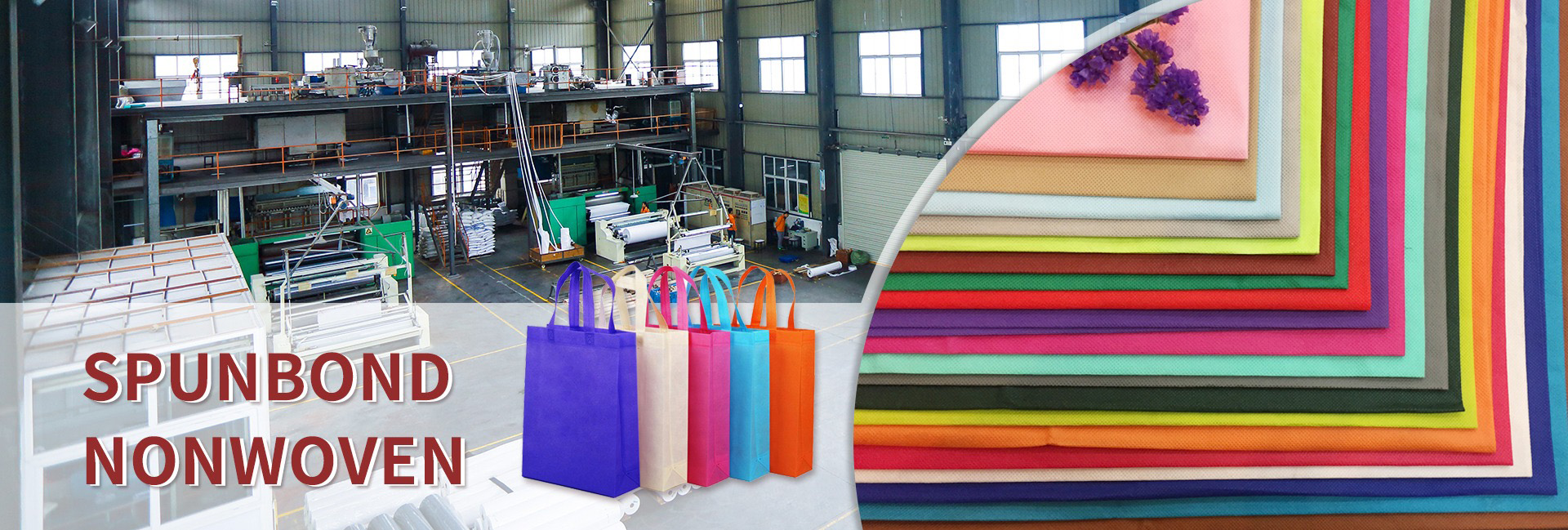
Dongguan Liansheng Non woven Technology Co., Ltd. was established in May 2020. It is a large-scale non-woven fabric production enterprise integrating research and development, production, and sales. It can produce various colors of PP spunbond non-woven fabrics with a width of less than 3.2 meters from 9 grams to 300 grams.
Post time: Jan-13-2026