
In the current situation where the dual needs of building energy conservation and fire safety are increasingly prominent, A-level insulation materials, as the core carrier of building insulation systems, have a direct impact on the overall safety of buildings in terms of their fire resistance performance. Fireproof non-woven fabric, which is often overlooked as a key supporting material, plays an irreplaceable role in the application of A-level insulation materials as an “invisible firewall”.
It not only compensates for the shortcomings of single insulation materials in terms of fire integrity and stability, but also constructs a full chain fire barrier for building insulation systems. This article will start from the performance characteristics of fireproof non-woven fabric, deeply interpret its key role in A-level insulation materials, and reveal its core value in improving the safety level of building insulation systems.
The adaptation logic between fireproof non-woven fabric and A-level insulation materials
Firstly, it is necessary to clarify the intrinsic relationship between the two core concepts. A-level insulation materials refer to insulation materials with combustion performance reaching A-level (non combustible) according to the “Classification of Combustion Performance of Building Materials and Products” (GB 8624-2012) standard. Common types include rock wool, glass wool, foam ceramics, vacuum insulation boards, etc.
Although these materials themselves are non combustible, there are still weak fire prevention links in the splicing gaps of the insulation system, the connection parts with the building structure, and the surface protective layer in practical applications. Fireproof non-woven fabric is made from materials such as polypropylene and polyester, processed through special processes and impregnated with flame retardants. Its combustion performance can reach Class A, while also possessing good flexibility, tensile strength, and corrosion resistance.
The adaptation logic of the two lies in the fact that A-level insulation materials solve the core non flammability problem of insulation systems, while fire-resistant non-woven fabrics strengthen the “weak links” of insulation systems, forming a dual guarantee of “non flammability of the main body+full chain fire prevention”. This adaptability not only meets the strict requirements of the current building fire prevention regulations for insulation systems, but also adapts to the core demand of modern buildings for “balancing energy conservation and safety”.
The “firewall” value of fireproof non-woven fabric in A-level insulation systems
(1) Seal the gap and block the flame propagation channel
During the construction process of A-level insulation materials, gaps are inevitably formed between insulation boards and between insulation layers and building walls (or roofs). These gaps may seem small, but they are important channels for flames and smoke to spread – once a building catches fire, flames can quickly penetrate into the insulation system through the gaps, causing the fire to spread. Fireproof non-woven fabric, with its good flexibility and plasticity, can tightly adhere to the surface and gaps of insulation materials, forming a continuous sealing layer.
Its A-level non combustible performance can effectively block the penetration of flames through gaps, while suppressing smoke diffusion, saving valuable time for personnel evacuation and firefighting rescue. For example, in rock wool insulation systems, using fireproof non-woven fabric to wrap and seal the joints of rock wool boards can improve the fire integrity of the insulation system by more than 30%, significantly reducing the risk of fire spread.
(2) Enhance protection and improve the stability of the insulation system
A-grade insulation materials such as rock wool, glass wool, etc., although non combustible, have defects such as high brittleness and low tensile strength. They are susceptible to damage and detachment from external environments (such as wind and rain erosion, temperature changes) during long-term use, leading to insulation system failure and reduced fire resistance. Fireproof non-woven fabric, as the surface protective layer of the insulation system, can effectively wrap the insulation material, enhance its overall tensile strength and impact resistance.
On the one hand, it can resist the erosion of natural factors such as wind, rain, and ultraviolet rays, extending the service life of insulation materials; On the other hand, under extreme conditions such as fires, fire-resistant non-woven fabrics can maintain structural integrity, prevent insulation materials from falling off due to high temperatures, and ensure that the fire resistance of the insulation system does not fail. In addition, fire-resistant non-woven fabric also has good breathability, which can prevent moisture accumulation inside the insulation layer and further enhance the stability of the insulation system.
(3) Optimize construction to ensure the consistency of fire prevention in the insulation system
The fire performance of building insulation systems depends not only on the materials themselves, but also closely related to the construction quality. If there are problems such as improper laying of insulation materials and inadequate sealing of gaps during the construction process, even if A-level insulation materials are used, there may still be fire hazards.
The construction convenience of fireproof non-woven fabric can effectively optimize the construction process and ensure the fire consistency of the insulation system. It is lightweight and flexible, and can be cut according to the shape of the insulation material to meet the construction needs of different parts; At the same time, it can be fixed by simple methods such as bonding and nailing, with high construction efficiency and ensuring the continuity and sealing of the laying.
For example, in the external wall insulation system of high-rise buildings, using fireproof non-woven fabric as the covering material for the insulation layer can avoid the problem of inadequate gap sealing caused by differences in construction personnel’s operations, ensure the uniform and consistent fire resistance performance of the entire insulation system, and reduce the fire risk caused by construction defects.
(4) Collaborative flame retardant, enhancing overall fire resistance level
Fireproof non-woven fabric not only has A-level non combustible performance, but also contains flame retardants that can form a synergistic flame retardant effect with A-level insulation materials. In high-temperature environments of fire, flame retardants in fire-resistant non-woven fabrics will decompose and produce inert gases (such as carbon dioxide, nitrogen, etc.), which can dilute the oxygen concentration in the combustion area and inhibit the progress of combustion reactions.
At the same time, the carbon layer formed by the decomposition of flame retardants can cover the surface of insulation materials, further blocking the contact between flames and insulation materials, and enhancing the flame retardant effect of the insulation system. This synergistic effect enables the overall fire resistance level of the insulation system to far exceed that of a single A-level insulation material, which can better resist the invasion of fire.
For example, in the foam ceramic insulation system, after composite fireproof non-woven fabric, the fire resistance limit of the system can be increased from 1.5 hours to more than 2.5 hours, meeting the strict requirements of high-rise buildings for the fire resistance limit of the insulation system.
Practical implementation of fireproof non-woven fabric in A-level insulation system
Fireproof non-woven fabric has a wide range of application scenarios in A-level insulation systems, covering multiple parts such as building exterior walls, roofs, indoor ceilings, etc., especially playing a key role in buildings with high fire protection requirements.
In the external wall insulation system of high-rise buildings, due to the difficulty of fire rescue and the long evacuation time of personnel, the fire performance requirements for the insulation system are more stringent. At this time, fireproof non-woven fabric is often used for surface coating and gap sealing of A-level insulation materials such as rock wool and glass wool, forming a continuous fireproof protection layer, effectively blocking the spread of flames along the exterior walls, and reducing the threat of fire to building structures and personnel safety.
In the roof insulation system of industrial plants, flammable and explosive materials are often present, posing a high risk of fire. By combining fire-resistant non-woven fabric with A-level insulation materials such as foam ceramics and vacuum insulation boards, a roof system that combines insulation, energy saving, and fire safety can be formed. Fireproof non-woven fabric can not only seal the gaps in the insulation layer, but also resist the erosion of dust, oil, and other pollutants in industrial environments, ensuring the long-term stable operation of the insulation system.
In indoor ceiling insulation systems, the space in the ceiling area is narrow, and in the event of a fire, flames and smoke can quickly spread. Fireproof non-woven fabric can be combined with rock wool insulation board as a protective material for the ceiling insulation layer, which not only ensures the insulation effect but also effectively blocks the spread of flames, meeting the requirements of indoor decoration fire prevention regulations.
Upgrading direction of fireproof non-woven fabric in the field of building insulation
With the continuous improvement of building energy efficiency and fire prevention requirements, the application of fireproof non-woven fabric in A-level insulation materials will also be upgraded towards higher performance and greener environmental protection.
On the one hand, future fire-resistant non-woven fabrics will further enhance their flame retardant and mechanical properties, and develop products that combine high tensile strength, high fire resistance limit, and low smoke and low toxicity characteristics to meet the needs of more complex building scenarios.
On the other hand, more emphasis will be placed on environmental protection, using halogen-free flame retardants, biodegradable materials, etc., to reduce the environmental impact during production and use, in line with the development concept of green buildings. In addition, with the popularization of prefabricated buildings, fire-resistant non-woven fabrics will also develop towards prefabrication and standardization, and be designed in conjunction with prefabricated insulation components to further improve construction efficiency and the fire reliability of insulation systems.
Conclusion
The safe operation of building insulation systems relies on the synergistic effect of “non combustible main materials” and “reinforcement of supporting materials”. Fireproof non-woven fabric, as a key supporting material for A-level insulation materials, plays a core role in sealing gaps, enhancing protection, optimizing construction, and synergistically flame retardant, building an “invisible firewall” for insulation systems, providing dual protection for building energy conservation and fire safety.
Against the backdrop of increasingly stringent requirements for safety and energy efficiency in the current construction industry, a deep understanding and utilization of the key role of fire-resistant non-woven fabrics not only helps to promote the optimization and upgrading of A-level insulation systems, but also has significant implications for improving the overall safety level of buildings and ensuring the safety of people’s lives and property.
In the future, with the continuous advancement of technology, the application value of fireproof non-woven fabrics in the field of building insulation will be further highlighted, becoming an important support for promoting the green, safe, and high-quality development of the construction industry.
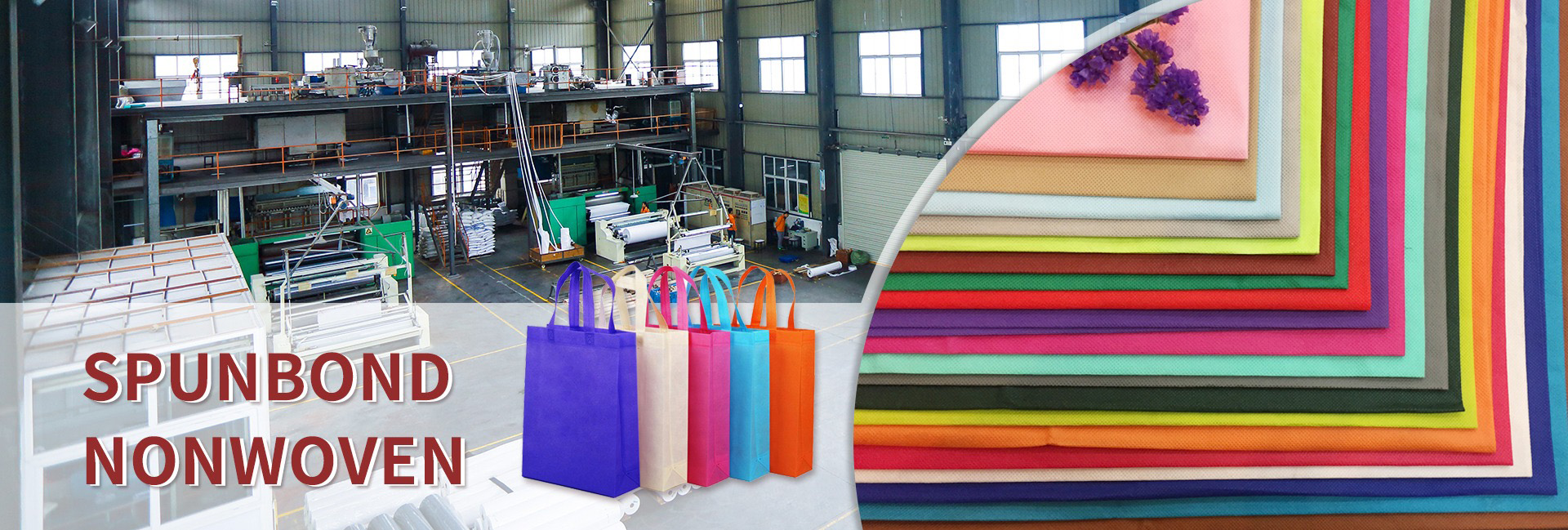
Dongguan Liansheng Non woven Technology Co., Ltd. was established in May 2020. It is a large-scale non-woven fabric production enterprise integrating research and development, production, and sales. It can produce various colors of PP spunbond non-woven fabrics with a width of less than 3.2 meters from 9 grams to 300 grams.
Post time: Dec-29-2025