
Intelligent temperature controlled spunbond fabric can indeed bring innovation to surgical gowns, creating a suitable temperature environment inside the garment through various technological means, improving the comfort and surgical performance of medical staff.
Several Potential Technological Pathways
Logic Gate Control Intelligent Textile
Integrating temperature and humidity dual signals, intelligent temperature regulation is achieved through changes in fabric structure (such as pore opening and closing) and interface wettability.
Main advantages: able to independently judge and respond to complex cold, hot, and humid environments; No external energy is required.
Potential application in surgical gowns: Suitable for the operating room, it can dynamically respond to the heat stress and sweating caused by prolonged surgery by medical staff, and automatically switch between heat dissipation and insulation modes.
Phase change material (PCM) technology
When a material undergoes a phase transition (such as solid-liquid conversion), it absorbs or releases a large amount of heat, thereby buffering temperature changes.
Main advantages: Passive and continuous temperature regulation, no energy required; Some materials, such as paraffin, have high latent heat values and significant temperature regulation capabilities.
Application potential in surgical gowns: Integrated in key areas of surgical gowns, it can absorb excess heat during high-intensity work, release heat in static or low-temperature environments, and maintain body temperature stability.
Nanotube temperature controlled fabric
Based on changes in environmental humidity, the electromagnetic coupling state of nanotubes inside the fabric changes, thereby adjusting the transmittance of infrared radiation.
Main advantages: rapid response time (less than 60 seconds); Bidirectional regulation (heat dissipation and insulation); Zero energy consumption.
Application potential in surgical gowns: It can quickly respond to changes in the humidity of the microenvironment inside the surgical gown, dissipate heat or keep warm by regulating thermal radiation, and is suitable for use in surgical gowns.
Active temperature control device
Temperature regulation mechanism: By using electronic components such as semiconductor refrigeration chips, specific areas are actively heated or cooled.
Main advantages: precise temperature control and high efficiency; Can achieve setting and maintaining specific temperatures.
Application potential in surgical gowns: It can provide strong internal temperature control for enclosed clothing such as protective clothing, but energy, weight, and system integration issues need to be addressed.
Technical Explanation and Application Prospects
How can the above technologies be specifically applied in surgical gowns, and what challenges do they face?
Intelligent response and “physical logic”: The logic gate intelligent textile developed by teams such as Jiangnan University is ingenious in mimicking the human body’s temperature regulation logic. It does not respond to heat or humidity alone, but requires both temperature and humidity conditions to be met simultaneously (“and” logic) in order to initiate a strong heat dissipation reaction. This can avoid misjudgment in complex environments such as high temperature and dryness or low temperature and high humidity, and is very suitable for surgical environments with variable temperature and humidity conditions.
Zero energy consumption phase change temperature control: Phase change material technology provides a quiet and passive temperature control solution. The composite temperature controlled fiber developed by the Huazhong University of Science and Technology team integrates phase change materials into microstructured fibers with high porosity. In this way, the fabric itself becomes a “heat warehouse”: it absorbs heat when the temperature rises, releases heat when the temperature drops, and the entire process does not require any external energy input. Using it as an inner lining for surgical gowns can smooth out temperature fluctuations and provide sustained comfort during busy and resting periods for medical staff.
Future Development: Integration and Intelligence
The future smart surgical gowns may be a fusion of multiple technologies. For example, using phase change materials as a passive buffer layer, while integrating logic gate fabrics in key areas such as the back and chest to cope with the heat and moisture shock caused by intense activity. For certain special scenarios (such as when extreme cooling is required), it is possible to consider embedding low-power active temperature control modules or introducing AI algorithms to achieve truly personalized thermal comfort management by analyzing user habits and environmental conditions.
I hope this information can help you gain a more comprehensive understanding of the application of intelligent temperature controlled spunbond fabric in surgical gowns. These technologies not only enhance the individual comfort of medical staff, but also have a positive impact on ensuring the quality of long-term surgeries and the health of medical teams.
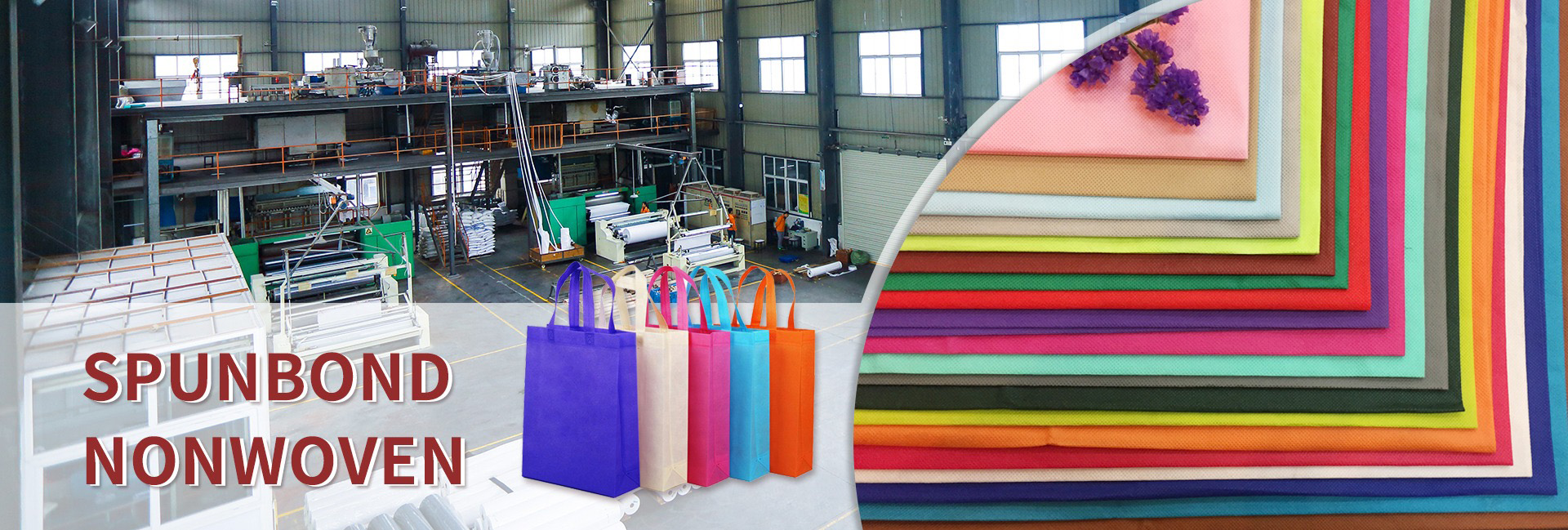
Dongguan Liansheng Non woven Technology Co., Ltd. was established in May 2020. It is a large-scale non-woven fabric production enterprise integrating research and development, production, and sales. It can produce various colors of PP spunbond non-woven fabrics with a width of less than 3.2 meters from 9 grams to 300 grams.
Post time: Dec-03-2025