
As global warming intensifies and the ozone layer thins, the intensity of ultraviolet radiation continues to rise. By 2022, the number of global skin cancer cases has exceeded 2.5 million, and materials that combine UV resistance and environmental properties have become an urgent need for industrial upgrading. At the same time, the “dual carbon” goal is driving various industries to transform towards green. The pain points of traditional non-woven fabrics relying on petroleum based raw materials and difficult to degrade are becoming increasingly prominent.
Biobased anti UV water piercing non-woven fabrics, with the advantages of renewable raw materials, clean processes, and diverse functions, have stood at the forefront of the industry. But the natural game between environmental protection and durability, as well as the practical bottlenecks of cost and technology, are still testing its “top stream” potential – whether this new material that integrates biotechnology and textile technology can break through the dilemma and become the core force of the next generation of green materials?
Why has the dual pull between environmental protection and durability become a pain point in the industry?
The “green transformation” of non-woven fabrics always revolves around the balance between environmental protection and durability. Although traditional petroleum based non-woven fabrics (such as PP spunbond non-woven fabrics) have certain durability and can be reused to replace disposable plastic bags, their essence is still plastic, with high production energy consumption and slow natural degradation rate. Most of them will eventually form microplastic pollution, and their environmental value depends entirely on high-frequency and long-term use. Once they are casually discarded, it will only exacerbate the environmental burden.
Although early bio based non-woven fabrics solved the problem of degradation, they generally had problems such as insufficient mechanical properties, weak UV resistance, and short service life, making it difficult to meet the durability and functional requirements of outdoor and home scenarios, and falling into the dilemma of “environmentally friendly but not durable, durable but not environmentally friendly”.
The addition of water jet technology provides the possibility of breaking this game. The water jet method uses high-pressure micro water flow to spray fiber webs, entangling and reinforcing the fibers without the need for chemical adhesives. This not only preserves the cleanliness of the process, but also significantly improves the strength and softness of non-woven fabrics [4]. The innovation of bio based anti UV water jet non-woven fabric lies in the deep integration of bio based raw materials and anti UV functions – based on green substrates such as Lyocell fiber and PLA fiber, combined with natural anti UV ingredients, which not only achieves environmental protection throughout the entire life cycle, but also attempts to fill the gap in durability. However, its performance still needs to overcome multiple tests.
Bio based+anti UV+water prick, triple buff unlocks green potential
The competitiveness of bio based anti UV water jet non-woven fabric lies in the triple collaborative innovation of raw materials, processes, and functions, accurately hitting the pain points of traditional materials and meeting the current demand for green consumption.
Raw material environmental protection: Get rid of oil dependence from the source and achieve full cycle green
Unlike traditional petroleum based non-woven fabrics, the core raw materials of this type of material come from renewable biological resources, truly achieving the goal of “originating from nature and returning to nature”. Among them, Lyocell fiber is one of the core substrates, made from natural materials such as bamboo and wood. The production process uses NMMO strong polar solvents, with a solvent recovery rate of up to 99.5%. Waste can be naturally degraded without environmental pollution. China has achieved complete independent production, with an annual output of 2 million tons.
PLA fiber is derived from crop starch such as corn and potatoes, and is fermented and polymerized. The carbon emissions during the production process are reduced by 30% -50% compared to traditional PP fiber. In addition, some products use bio fermentation technology to produce ink fish melanin as an anti UV component, replacing traditional chemical anti UV agents. This not only avoids environmental residues of chemicals, but also achieves natural color matching without the need for additional dyeing, further reducing pollution .
From the perspective of waste disposal, high-quality bio based spunlace non-woven fabric can decompose at a rate of over 90% within 180 days under composting conditions, which meets the national standard for full biodegradation and completely solves the pain point of traditional non-woven fabric “white pollution”, achieving full lifecycle environmental protection from raw material production to waste disposal.
Function upgrade: UV resistance+multiple features, adapted to meet the needs of multiple scenarios
UV resistance is its core competitiveness and the key to addressing the intensification of global UV radiation. By fusing natural anti UV ingredients such as squid melanin with bio based fibers, this type of non-woven fabric can achieve full band protection against UVA (320-400 nm) and UVB (290-320 nm), with an average UV protection index (UPF) of 1797 and a shielding efficiency of 99.94%, far exceeding traditional anti UV materials . At the same time, the conjugated double bond structure of squid melanin endows the material with excellent anti-static and antioxidant properties, while the water jet process gives it good breathability, moisture permeability, and soft texture, which can meet the needs of multiple scenarios without additional treatment .
At present, its application scenarios have gradually expanded: in the field of household curtains, it can resist UV damage, prevent static electricity, and regulate indoor humidity; In the field of outdoor tents and sun umbrellas, it can efficiently prevent sunburn and has a unique visual aesthetic; In the field of sun protection car clothing, it can avoid paint fading and cracking, while also adhering to the body and preventing dust adhesion; It can even be applied to ultraviolet protection of military equipment in high-altitude areas, achieving dual value of functionality and environmental protection.
Process cleaning: enhanced by hydrojet technology, balancing performance and environmental protection
The core advantage of water jet technology is “physical reinforcement, no chemical residue”, which is highly compatible with the environmental properties of bio based raw materials. The reinforcement of traditional non-woven fabrics often relies on chemical adhesives, which not only leave harmful components, but also reduce the breathability and biocompatibility of the material.
On the other hand, the hydroentanglement method uses the impact force of high-pressure water flow to entangle the fibers, which not only improves the tensile strength and tear strength of the material, but also preserves the natural characteristics of bio based fibers. At the same time, modern water jet production has achieved technological upgrades, adopting a closed-loop water circulation system, increasing the water utilization rate to over 90%, significantly reducing wastewater emissions, and combining energy-saving equipment and exhaust gas purification systems to further reduce the environmental load of the production process.
The game between environmental protection and durability is not over, and there are still obstacles to large-scale implementation
Despite its significant advantages, bio based anti UV water jet non-woven fabrics still need to break through the balance between environmental protection and durability, as well as multiple constraints in technology, cost, and market, in order to become the “green top stream”.
Durability Shortboard: Natural Limitations of Biobased Materials
The mechanical properties of bio based fibers themselves are weak. Although Lyocell fibers and PLA fibers are environmentally friendly, their resistance to moisture and wear is not as good as traditional petroleum based fibers. In long-term sunlight exposure, rainwater erosion, or high-frequency use scenarios, they are prone to deformation, damage, and performance degradation. Even after being reinforced with water jet technology, its durability is still difficult to fully match the high-strength requirements of long-term outdoor use and industrial protection.
For example, PLA fibers undergo molecular chain breakage at temperatures above 150 ℃, leading to a significant decrease in tensile strength and limiting their application in high-temperature scenarios [4]; However, Lyocell fibers may experience a decrease in strength in humid environments and require additional modification treatment, which in turn increases production complexity.
High cost enterprises: the core obstacle to large-scale production
The cost of bio based raw materials and UV resistant modification technology is much higher than that of traditional petroleum based non-woven fabrics. The production cost of Lyocell fiber and PLA fiber is 20% -30% higher than that of ordinary PP fiber, while the production of anti UV components such as squid melanin by biological fermentation method solves the problem of limited natural extraction, but large-scale production still requires a lot of research and equipment costs . In addition, the equipment investment and energy consumption cost of water jet technology are higher than those of spunbond and meltblown processes. The combination of multiple factors has led to a high market price for bio based anti UV water jet non-woven fabrics, which are difficult to be widely accepted by the public and small and medium-sized enterprises, and limited for large-scale production.
Imperfect technology and standards: implicit constraints on industrial development
At present, there are still shortcomings in the core technology of bio based anti UV water jet non-woven fabric. Firstly, the fusion stability between anti UV components and bio based fibers is insufficient, and some products may experience a decline in anti UV performance during long-term use, making it difficult to meet long-term protection needs; The second issue is that the modification technology of bio based fibers is not yet mature, and how to improve durability without compromising their environmental properties remains an urgent problem that needs to be solved in the industry. At the same time, the industry lacks unified quality standards, and the definition of core indicators such as biobased content, UV resistance, and degradation rate is unclear, resulting in uneven product quality in the market and affecting consumer trust.
Technological iteration+deep cultivation of scenarios, unlocking the “top stream” password
The key to breaking through the game dilemma and becoming the next generation of “green top stream” for bio based anti UV water jet non-woven fabric lies in achieving a balance between environmental protection and durability, while solving cost and technical problems, and promoting industrial scale and standardization development.
Technological Innovation: Addressing Shortcomings in Durability and Reducing Production Costs
On the one hand, durability is improved through multi fiber composite modification – Lyocell fibers, PLA fibers are combined with a small amount of high-strength biobased fibers or recycled fibers, and combined with water jet process parameter optimization (such as controlling water jet pressure at 20-40MPa and drying temperature at 100-120 ℃), while retaining environmental properties, the material’s tensile strength, wear resistance, and moisture and heat resistance are improved .
On the other hand, optimizing the preparation and fusion technology of anti UV components, optimizing the biological fermentation process through genetic engineering, improving the yield and purity of natural anti UV components such as melanin in squid, and reducing production costs . In addition, promoting the intelligent upgrade of water jet technology, optimizing energy consumption and production efficiency through digital control, and further reducing comprehensive costs.
Scene cultivation: Focus on high demand areas and create differentiated advantages
Avoiding low price competition with traditional non-woven fabrics, focusing on niche scenarios with high demands for environmental protection and functionality, and achieving “precise breakthrough”. Prioritize the layout of home curtains, outdoor leisure (tents, sun umbrellas), sun protection car clothes and other scenes, which require moderate durability and consumers are willing to pay a premium for environmental protection and functionality.
At the same time, we will expand into professional fields such as healthcare and agriculture, such as producing biodegradable anti UV medical protective equipment and agricultural sunscreen films, and establish market awareness based on our differentiated advantages. In addition, we can learn from the experience of Qingdao’s non-woven fabric industry and promote the construction of a “production use recycling” closed-loop system, further enhancing environmental value and market competitiveness through recycling and reuse.
Standardization and policy synergy: building a solid foundation for industrial development
Promote the industry to establish unified quality standards, clarify core indicators such as biobased content, UV resistance (UPF value), degradation rate, etc., regulate market order, and enhance product credibility. At the same time, relying on policy support, we will increase support for the research and development of bio based materials and the upgrading of clean processes, such as providing financial subsidies and tax exemptions to relevant enterprises, and promoting the transformation of technological achievements. In addition, we will strengthen the integration of industry, academia, and research, encourage universities and enterprises to jointly tackle core technologies, solve technical problems such as modification and integration, and promote high-quality industrial development.
Moving forward in the game, the future of “green top stream” is promising
The game between environmental protection and durability is essentially a balance between “short-term costs” and “long-term value” in the process of industrial transformation. The emergence of bio based anti UV water jet non-woven fabrics has broken the dilemma of traditional non-woven fabrics’ inability to balance environmental protection and durability. Its full lifecycle environmental attributes and diverse functional advantages precisely match the global trend of green development and consumption upgrading, and have the innate conditions to become a “green top stream”.
At present, with the continuous iteration of biological fermentation, fiber modification, and water jet technology, as well as the promotion of policy support and market demand, the durability shortcomings of bio based anti UV water jet non-woven fabrics are gradually being filled, and the cost is steadily decreasing. Although large-scale implementation still takes time, it cannot be denied that it has become the core direction of the green transformation of the non-woven fabric industry. When technology breaks through bottlenecks, costs become more reasonable, and standards become more perfect, this new type of material that integrates nature and technology will inevitably break the deadlock between environmental protection and durability, achieve widespread application in various fields, and truly become the next generation of “green top stream”, injecting new momentum into global environmental protection and industrial upgrading.
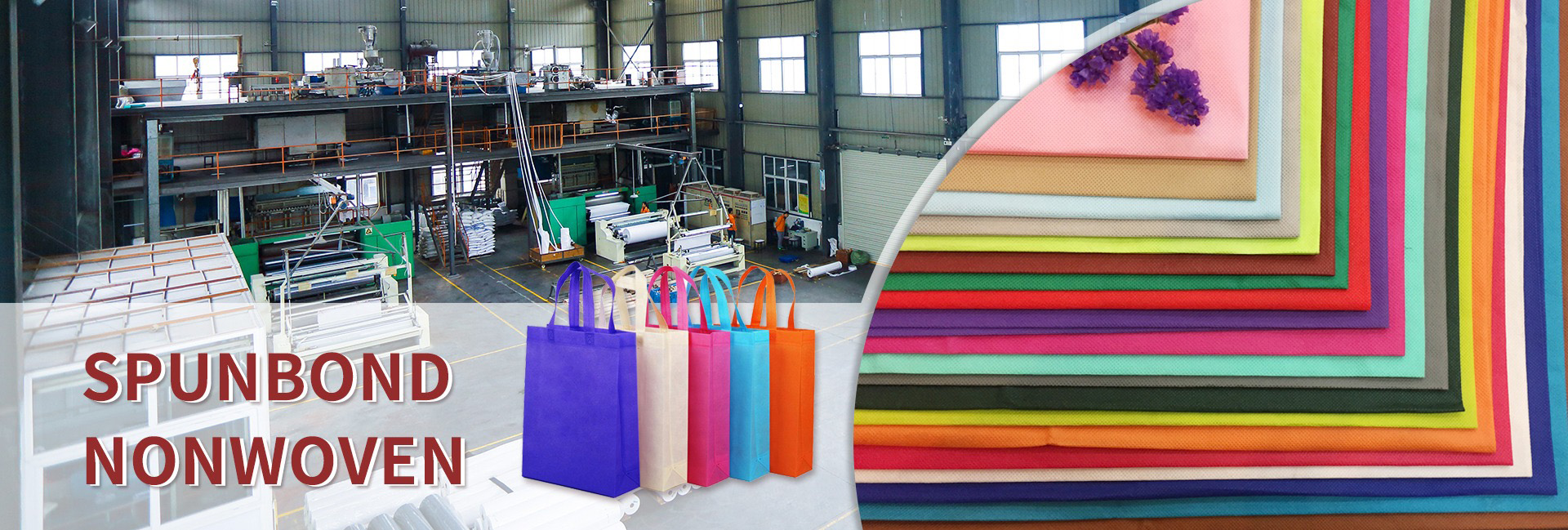
Dongguan Liansheng Non woven Technology Co., Ltd. was established in May 2020. It is a large-scale non-woven fabric production enterprise integrating research and development, production, and sales. It can produce various colors of PP spunbond non-woven fabrics with a width of less than 3.2 meters from 9 grams to 300 grams.
Post time: Apr-25-2026