
Automotive lightweighting has become the core path for new energy vehicles to improve range and fuel vehicles to reduce energy consumption. The selection of lightweight materials needs to take into account the three core requirements of “weight reduction, strength, and functional adaptation” – spunbond non-woven fabric, with its controllable three-dimensional structure, excellent mechanical strength, and diverse modification potential, breaks away from the traditional auxiliary material positioning and becomes the “lightweight skeleton” of core components such as interior panels, soundproof felt, carpets, etc.
It not only achieves significant weight reduction effects, but also carries key functions such as structural support, sound insulation and noise reduction, and wear-resistant protection, adapting to the complex working conditions and mass production needs of automobiles. This plan combines the latest material technology in 2026 with the implementation cases of automotive companies to provide customized application solutions for three major scenarios, balancing lightweight efficiency, functional compliance, and cost control.
The advantage of spunbond non-woven fabric in adapting to the lightweight “skeleton” of automobiles
Spunbond non-woven fabric can become a lightweight “skeleton” for automobiles, with the core being its ability to achieve a balance between “weight reduction and performance”. Compared with traditional materials such as plastics, fabrics, and fiberglass, it has four core advantages, providing support for multi scenario applications. Firstly, it has significant lightweight advantages, with a density of only 0.08-0.4g/cm ³, far lower than traditional plastics (1.0-1.2g/cm ³) and metal materials. Single vehicle applications can achieve a weight reduction of 3-8kg, which meets the core needs of improving the range of new energy vehicles and reducing energy consumption of fuel vehicles; Secondly, it has sufficient mechanical strength, with a tensile strength of 15-35N/5cm and a tear strength of 8-20N.
After modification, it can withstand a tensile force of 2700 Newtons (equivalent to one-fifth of the weight of a small car) and can stably support the structure; Thirdly, the function can be customized, and through fiber selection, process adjustment, and modification treatment, it can simultaneously achieve functions such as sound insulation, wear resistance, flame retardancy, and low VOC without the need for additional auxiliary materials; Fourthly, it has strong adaptability for mass production, adopting spunbond processes such as air flow stretching and web forming, omitting the traditional 12 tedious textile processes. The production efficiency has increased by 30% compared to the industry average, and the cost has been reduced by 18%. It can match the pace of large-scale automobile production and has been certified by major automobile companies such as Volkswagen, Toyota, and BYD.
The core raw materials are mainly PP (polypropylene) and PET (polyester), which can be flexibly selected according to the needs of the scene. PP spunbond focuses on low cost, lightweight, and chemical resistance, and is suitable for medium and low temperature scenarios; PET spunbond focuses on high temperature resistance (-40 ℃ to 120 ℃, with modified versions up to 150 ℃) and high strength, suitable for scenarios that require long-term stable support. Both support recycling and are in line with the green, low-carbon, and “dual carbon” development trends of the automotive industry.
Customized design for interior panels, soundproofing felt, and carpets
Lightweight skeleton+structural support, replacing traditional plastic substrates
The core requirements for automotive interior panels (door panel lining, instrument panel lower guard, pillar trim, etc.) are “lightweight+structural rigidity+formability”. Spunbond non-woven fabric is upgraded through composite technology to replace traditional ABS plastic substrates and become the core “skeleton” of interior panels, balancing weight reduction and assembly adaptability, suitable for all models of passenger and commercial vehicles.
1. Material selection: High strength modified PP spunbond non-woven fabric (weight 40-80g/m ²) is preferred, with fiber diameter controlled between 10-30 μ m and tensile strength ≥ 25N/5cm, meeting the structural support requirements of interior panels; High end models use PET spunbond non-woven fabric, combined with carbon fiber reinforcement modification, to further enhance rigidity while retaining the advantage of lightweight, with a density as low as 0.1g/cm ³.
2. Process design: Adopting the “spunbond non-woven fabric+hot melt adhesive composite+compression molding” process, the spunbond non-woven fabric is used as the substrate, and the surface is compounded with lightweight non-woven fabric or PVC film to enhance the tactile sensation. Precise molding is achieved through compression molding, which fits the complex shape of the interior panel with a molding accuracy of ± 0.5mm. It is suitable for existing interior production lines and does not require additional specialized equipment. For column decorative panels with high-strength requirements, SMS (spunbond meltblown spunbond) composite structure is adopted, with the middle meltblown layer enhancing density and the outer spunbond layer providing rigid support, balancing structural strength and lightweight.
3. Performance and Lightweight Effect: Compared to traditional ABS plastic interior panels, the spunbond non-woven fabric substrate reduces weight by 30% -50%. The inner lining of a single door panel can reduce weight by 0.8-1.2kg, and the total weight of the vehicle interior panel can be reduced by 3-5kg. At the same time, it has good impact resistance and can withstand the impact of a 1.5kg heavy object without damage in the drop ball impact test, meeting the safety standards for automotive interiors (GB 8410); VOC emissions ≤ 50 μ g/g, in line with European environmental standards, no odor release, creating a healthy driving environment.
4. Implementation cases: BYD Qin PLUS, Yuan PLUS and other new energy vehicle models use high-strength PP spunbond non-woven fabric as the lining of the door panel and the lower protective panel of the instrument panel, which has been widely applied; High end models such as NIO ET5 and Ideal L9 use carbon fiber reinforced PET spunbond composite substrates for column decorative panels, balancing lightweight and luxurious texture; The spunbond non-woven interior panels produced by Hubei Bode Material Technology have been embedded in multiple Tesla models due to their excellent impact resistance.
Skeleton load-bearing+integrated sound insulation, balancing weight reduction and quietness
The core requirements for automotive soundproofing felt (engine compartment soundproofing felt, cabin floor soundproofing felt, door soundproofing felt) are “lightweight+efficient soundproofing+temperature resistance”. Spunbond non-woven fabric serves as the core skeleton layer of the soundproofing felt, carrying soundproofing materials while achieving sound absorption and noise reduction through a three-dimensional pore structure, replacing traditional thick asphalt soundproofing felt and solving the contradiction between soundproofing and weight reduction.
1. Material selection: The engine compartment soundproof felt is made of high-temperature resistant PET spunbond non-woven fabric (temperature resistance ≤ 150 ℃), with a weight of 60-100g/m ² and excellent aging resistance. After 1000 hours of ultraviolet irradiation, the strength retention rate is not less than 80%; The soundproofing felt inside the carriage is made of PP spunbond non-woven fabric, modified with ultra-fine fibers to enhance sound absorption performance. The fiber diameter can be reduced to 1/3 of a human hair, and the porosity can reach 70% -90%, providing a structural foundation for sound absorption and noise reduction.
2. Process design: Adopting a three-layer composite structure of “spunbond skeleton layer+sound-absorbing layer+protective layer”, spunbond non-woven fabric is used as the intermediate skeleton layer to bear the overall structural support and stress, avoiding the collapse of the soundproof felt during long-term use; The upper layer is fitted with an ultra-fine fiber sound-absorbing layer (such as melt blown non-woven fabric), and the lower layer is composed of a composite waterproof and breathable film, achieving the integration of “sound insulation+waterproofing+lightweight”. By adjusting the arrangement density of spunbond fibers and optimizing the pore distribution, sound waves can be reflected and absorbed multiple times in the pores, improving the sound insulation effect, especially suitable for the absorption needs of high-frequency sound waves in new energy vehicle motors.
3. Performance and Lightweight Effect: Compared to traditional asphalt soundproofing felt, spunbond non-woven composite soundproofing felt reduces weight by 40% -60%. The entire vehicle soundproofing felt can reduce weight by 2-4kg, while the soundproofing effect is improved by 15% -25%. Engine compartment noise can be reduced by 3-5 decibels, and road noise can be reduced by 2-3 decibels; The engine compartment specific model can withstand temperature fluctuations from -40 ℃ to 150 ℃ without melting or cracking, with a breakdown voltage of 10KV and insulation performance; The waterproof level reaches IP65, which can avoid the deterioration of sound insulation performance caused by rainwater immersion.
4. Landing cases: Volkswagen Lavida, Toyota Corolla and other fuel vehicles use PP spunbond composite structure for the sound insulation felt of the cabin floor; BYD Han, Xiaopeng P7 and other new energy vehicle models use high-temperature resistant PET spunbond non-woven fabric as the engine compartment soundproofing felt, which is suitable for the high-temperature working conditions of batteries and motors; The spunbond non-woven soundproofing felt produced by Hubei Bode Material Technology can effectively absorb high-frequency sound waves from new energy vehicle motors and has been mass-produced for Ideal and BYD models.
Skeleton wear-resistant+lightweight adaptation, balancing practicality and energy saving
The core requirements for car carpets (main car carpets, trunk carpets) are “lightweight+wear-resistant and stain resistant+easy to clean”. Spunbond non-woven fabric serves as the carpet substrate skeleton, replacing traditional velvet or heavy fabrics, balancing weight reduction, wear resistance and environmental protection, and adapting to different grades of car models. It is an important breakthrough in lightweighting car interiors.
1. Material selection: The passenger car owner’s carpet is made of PP spunbond non-woven fabric (weight 30-60g/m ²), which has undergone waterproof and anti pollution modification treatment, and the surface can be reinforced with short fibers to enhance the tactile sensation; Commercial vehicle (truck, bus) carpets are made of high-strength PET spunbond non-woven fabric (weight 80-120g/m ²), with a focus on wear resistance. The Martindale abrasion test can withstand more than 30000 times of friction; High end models use bio based spunbond non-woven fabrics (PLA, PHA fibers) to achieve biodegradability, which is in line with the trend of green environmental protection.
2. Process design: Adopting the composite process of “spunbond substrate+waterproof coating+surface velvet layer”, spunbond non-woven fabric is used as the substrate skeleton to provide structural support and wear-resistant foundation, and PTFE waterproof coating is applied on the surface to achieve waterproofing and anti fouling, avoiding dust and water stains from penetrating; By using hot rolling composite technology to bond the surface velvet layer with the substrate, the tactile sensation is improved, while reducing the use of adhesives and lowering VOC emissions. Shanghai Shenda and other enterprises adopt melt blown spunbond composite technology to further optimize the sound insulation and wear resistance of carpets, while Ningbo Huaxiang has developed intelligent temperature controlled spunbond carpets by implanting phase-change energy storage microcapsules, with a temperature control accuracy of ± 2 degrees Celsius.
3. Performance and Lightweight Effect: Compared to traditional velvet carpets, spunbond non-woven fabric based carpets reduce weight by 25% -40%. The entire vehicle carpet can reduce weight by 1.5-3kg, with the trunk carpet showing a particularly significant weight reduction effect (up to 0.6-1.0kg); Excellent wear resistance, passenger car carpets can meet the service life of the entire vehicle (5-8 years), and commercial vehicle carpets can withstand long-term friction from heavy objects without damage; Strong waterproof and stain resistance, stains can be easily wiped and cleaned, excellent moisture resistance, and not easily softened or delaminated after soaking; Some products have an antibacterial rate of 99.8%, improving driving and riding health. Shanghai Shenda’s spunbond composite carpet has improved sound insulation by 25% and reduced weight by 18% compared to traditional products, with outstanding cost-effectiveness.
4. Implementation cases: SAIC Volkswagen Passat, Geely Emgrand and other models use PP spunbond non-woven fabric as the main carpet substrate; Commercial vehicles such as Foton and Jiefang use high-strength PET spunbond non-woven fabric for the trunk carpet; New energy vehicles such as Tesla Model 3 and NIO ES6 use waterproof modified PP spunbond carpets to meet the environmental and lightweight needs of new energy vehicles; The ultra lightweight spunbond carpet developed by Yanfeng Automotive Accessories reduces weight by more than 30% compared to traditional products and has been matched with multiple high-end models.
Collaborative advantages and implementation guarantee of the plan
Collaborative advantages
The application solutions of spunbond nonwoven fabrics in three major scenarios can achieve “material uniformity, process compatibility, and cost optimization”: uniformly using PP/PET spunbond raw materials can reduce supply chain procurement costs, and obtain 10% -15% bargaining space when purchasing in bulk; The processes are compatible with existing automotive interior production lines (molding, lamination, cutting), without the need for large-scale equipment modification, resulting in a 30% increase in production efficiency compared to the industry average; The combination of lightweight effects can achieve a total weight reduction of 7-12kg for the entire vehicle in three major scenarios. New energy vehicles can increase their range by 5% -8%, while fuel vehicles can reduce fuel consumption by 0.3-0.5L/100km. At the same time, it also considers multiple functions such as sound insulation, wear resistance, and environmental protection, achieving “one material, multiple energy”.
Landing guarantee
1. Quality control: Following the ISO 9073 series standards and specialized specifications for the automotive industry, strict testing is conducted on the tensile strength, temperature resistance, VOC emissions, and flame retardancy of spunbond nonwoven fabrics to ensure that the products meet the requirements of automotive regulations; By adopting advanced technologies such as online testing and non-destructive testing, real-time quality monitoring is achieved, with a product yield rate of up to 98.6% and mechanical performance indicators better than the national standard by 20%.
2. Cost controllable: The mass production cost of spunbond non-woven fabric is low, with a PP spunbond unit price of 0.8-2.5 yuan/square meter and a PET spunbond unit price of 1.2-3.0 yuan/square meter, far lower than lightweight materials such as carbon fiber and glass fiber; At the same time, reducing subsequent operation and maintenance costs, improving durability can reduce replacement frequency, and the application of recycled raw materials can further dilute costs. The cost of raw materials accounts for 42.3% of the total product cost, with significant cost advantages.
3. Policy adaptation: In line with global automotive lightweighting and environmental protection policies, low VOC, recyclable, and biodegradable spunbond non-woven fabric solutions meet China’s “dual carbon” goals, EU RoHS and REACH certification requirements, and reduce environmental compliance risks for automotive companies; In 2026, the country will increase special funds to support the research and development of high-performance non-woven fabrics, further assisting in the implementation and promotion of the plan.
Summary
Spunbond non-woven fabric, with its comprehensive advantages of “lightweight, high strength, multifunctionality, and low cost”, plays the role of the “core skeleton” in three major scenarios: automotive interior panels, soundproofing felt, and carpets. Its customized application solution not only solves the pain point of “weight loss and performance imbalance” of traditional materials, but also adapts to the needs of large-scale automotive production, while also meeting the trend of green low-carbon and consumer upgrading. Through precise material selection, process design, and performance optimization, spunbond non-woven fabric can achieve collaborative weight reduction in multiple scenarios for the entire vehicle, providing reliable support for new energy vehicles to increase range and reduce energy consumption for fuel vehicles, while also considering driving quietness, comfort, and safety.
In the future, with the continuous upgrading of modification technologies (nano reinforcement, flame retardant and anti-static) and composite processes, spunbond nonwoven fabrics will further enhance their rigidity, temperature resistance and functional integration, expanding to more automotive lightweighting scenarios. At the same time, relying on the rise of domestic enterprises (Hengtian Fiber, Huafang Co., Ltd., Shanghai Shenda, etc.), gradually breaking the monopoly of multinational enterprises and becoming an indispensable core material in the automotive lightweighting industry, continuously consolidating their core position as the “lightweighting skeleton”, and promoting the upgrading of the automotive industry towards high efficiency, environmental protection and energy conservation.
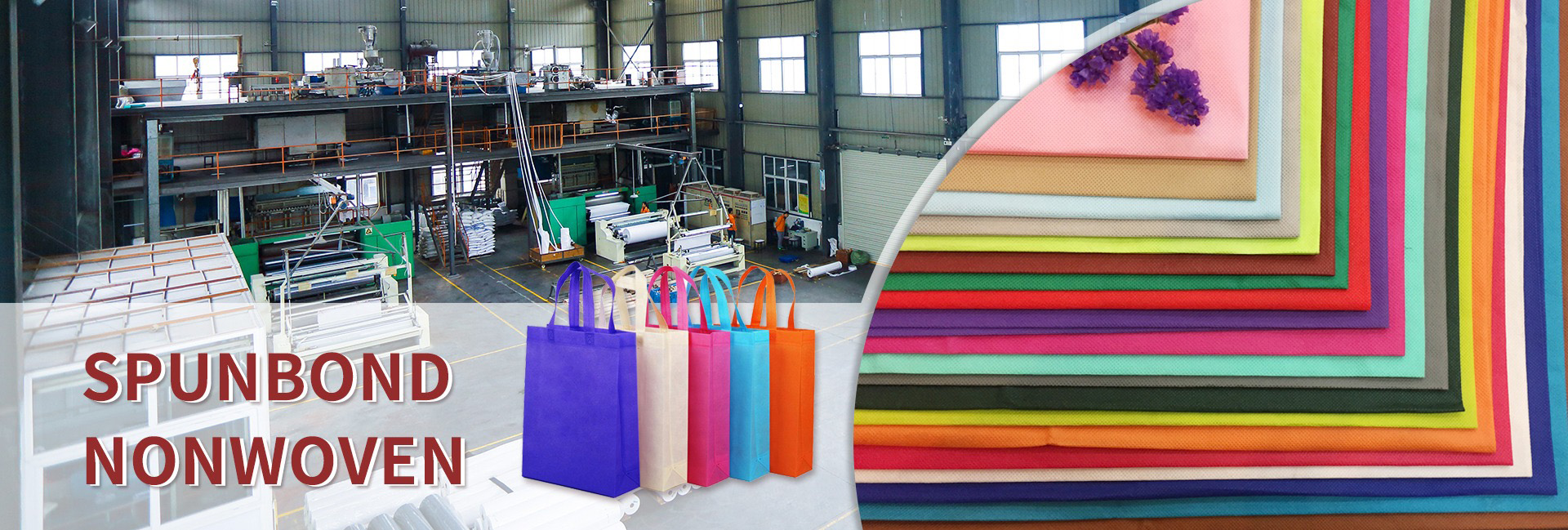
Dongguan Liansheng Non woven Technology Co., Ltd. was established in May 2020. It is a large-scale non-woven fabric production enterprise integrating research and development, production, and sales. It can produce various colors of PP spunbond non-woven fabrics with a width of less than 3.2 meters from 9 grams to 300 grams.
Post time: Feb-09-2026