
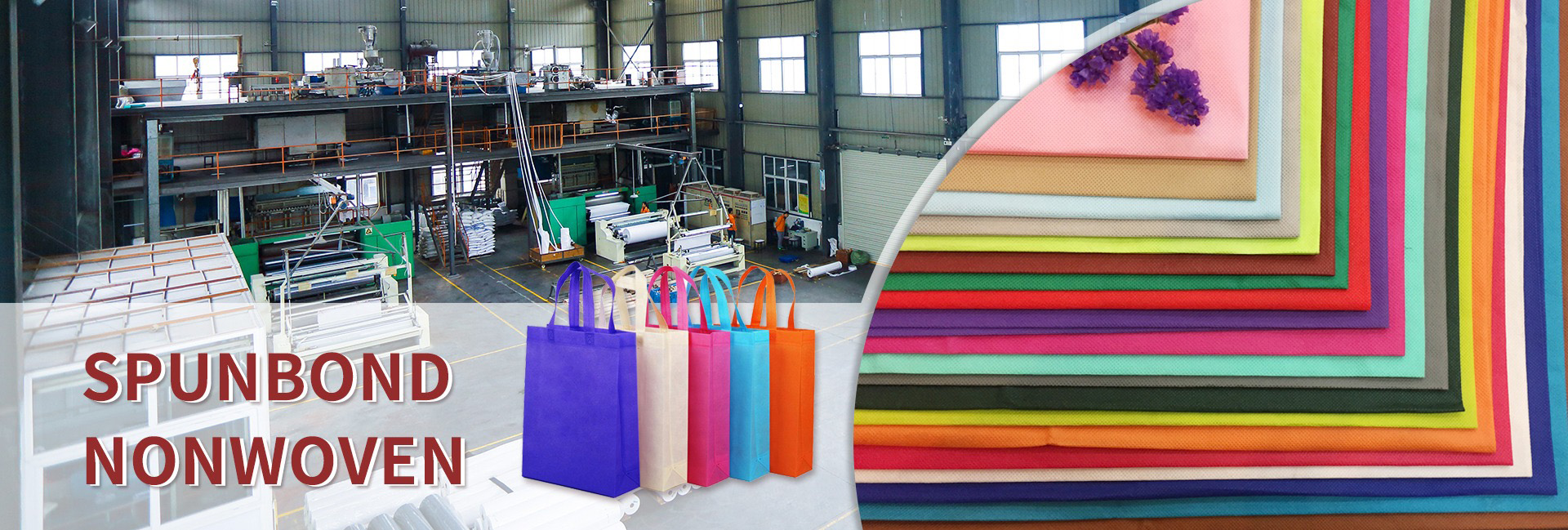
With the maturity of flame retardant modification technology, recycled PET (RPET) flame retardant non-woven fabric has broken through the traditional application boundaries and achieved large-scale implementation in fields such as automotive, construction, packaging, etc. that have high requirements for safety and environmental protection. The following cases cover core application scenarios and demonstrate their industrial value by combining technical solutions, performance indicators, and actual benefits.
Automotive Interior Field: Collaborative Breakthrough of Lightweight and Safe Flame Retardant
The automotive industry is the core application scenario of recycled PET flame-retardant non-woven fabric, which needs to meet the requirements of flame retardancy (GB 8410-2006 and other standards), lightweight and environmental protection. It is mainly used in seat cushions, insulation layers, door panel linings and other components.
Tesla electric vehicle insulation system case
Partner: Felt Green Inc. (material supplier) and Tesla’s first tier supplier
Technical solution: Flame retardant felt made from 100% post consumer PET bottle recycling is used, and flame retardant modification is achieved by adding halogen-free flame retardant masterbatch (with an addition amount of 10%), combined with needle punching technology to improve density uniformity.
Performance: Passed UL94 V-0 flame retardant certification, combustion speed ≤ 80mm/min, smoke density rating (SDR) ≤ 45, reduced weight by 12% compared to traditional native PET liners, with a single vehicle usage of about 8kg.
Environmental benefits: Each ton of this material produced reduces 6.2 tons of carbon emissions, corresponding to a reduction of approximately 49.6kg of carbon emissions per vehicle, fully meeting Tesla’s sustainable supply chain requirements.
Large scale application of seat cushions in joint venture car companies
Partner: A domestic joint venture car company and Hengtian Jiahua
Technical solution: Adopting a mixed needle punching process of “recycled PET short fiber+15% flame-retardant polyester fiber”, using a synergistic system of decabromodiphenyl ethane as the flame retardant, and strengthening the flame retardant effect after immersion rolling and baking.
Performance: Limiting Oxygen Index (LOI) ≥ 26%, passing the GB 8410-2006 combustion standard for automotive interior materials, with a tensile strength of 3.2 MPa, meeting the mechanical requirements of seat cushions.
Economic benefits: Compared to native PET flame retardant liners, the cost per ton is reduced by 800 yuan, with an annual usage of 5000 tons and an annual cost reduction of 4 million yuan. At the same time, local green manufacturing subsidies are obtained.
High speed rail seat fabric matching case
Partner: Jiangsu Wanrun New Materials and CRRC Group
Technical solution: Chemical modified recycled PET fibers are used, and phosphorus containing flame-retardant monomers are introduced during the polymerization stage to produce a needle punched non-woven fabric with a weight of 280g/㎡.
Performance: LOI reaches 35.3%, complying with EN 13501-1 B-S1, d0 level standards, no melting droplets during combustion, thermal shrinkage rate ≤ 3% at 200 ℃ environment, suitable for high temperature operation environment of high-speed railway carriages.
Building materials field: dual compliance of fire prevention and environmental protection
In the field of construction, it is mainly used as a waterproof membrane substrate, fireproof isolation tape, sound insulation board, etc. It needs to meet the requirements of flame retardant level (GB 8624-2012 B1 level and above) and long-term aging resistance. The cyclic properties of recycled PET are more in line with the green building evaluation standards.
Case study of waterproofing membrane substrate for affordable housing in the Yangtze River Delta region
Partner: Xinlong Melt Spinning New Materials from Yichang City and Dongfang Yuhong
Technical solution: The substrate is made using recycled PET spunbond technology, with a weight of 120g/㎡. Flame retardant modification is achieved by impregnating with halogen-free flame retardant coating, while retaining high elongation characteristics.
Performance: Passed the GB 8624-2012 B1 flame retardant standard, with a longitudinal fracture strength of ≥ 8kN/m and an alkali resistance test (soaking in 10% NaOH solution for 24 hours at 23 ℃) with a strength retention rate of ≥ 90%, suitable for long-term use of roof waterproofing.
Engineering benefits: Mass application in a 120000 square meter affordable housing project, with a 30% increase in construction efficiency compared to traditional glass wool substrates, a 25% reduction in comprehensive costs, and a reduction of approximately 180 tons of carbon emissions per project.
Case study of fire isolation zone in industrial plant
Partner: Jiangsu Wanrun New Materials and a certain chemical industrial park
Technical solution: Using recycled PET pre oxidized silk non-woven fabric, carbonization treatment after needle punching, with a thickness of 10mm.
Performance: LOI up to 49.6%, non combustible material, can maintain structural integrity for more than 30 minutes at high temperatures of 600 ℃, smoke toxicity level reaches ZA1 (non-toxic), effectively blocking the spread of fire.
Safety benefits: replacing traditional rock wool materials, solving the problem of dust pollution during construction, reducing the occupational health complaint rate of workers by 80%, and extending the service life to 25 years.
Packaging filtration field: bidirectional empowerment of safety protection and circular economy
The packaging field focuses on flammable packaging (such as coffee powder and chemical raw materials), while the filtration field is used for high-temperature filter materials, which need to balance flame retardancy and functionality (such as breathability and corrosion resistance). The environmental properties of recycled PET can enhance product market competitiveness.
Case study of flame-retardant packaging for coffee powder exported from the European Union
Partner: A packaging company in Zhejiang and Starbucks’ European supply chain
Technical solution: Using recycled PET spunbond non-woven fabric with a weight of 100g/㎡, composite food grade PE film after halogen-free flame retardant treatment, printed with FDA certified ink.
Performance: Passed the EU EN 13501-1 B-S1, d0 level flame retardant certification and SGS non-toxic testing. In the vertical combustion test, the flame spread time is ≥ 19s, and the breathability reaches 200L/(㎡· s), ensuring the freshness requirements of coffee powder.
Market benefits: 500000 units were shipped in a single month, with a 90% repurchase rate for EU customers. Due to the use of recycled materials, EU carbon tariffs were reduced by 80 euros per ton, resulting in a 12% increase in gross profit margin.
Case study of filter bag for coal mine ventilation system
Partner: Dongguan Youyu Industry and a coal mining enterprise in Shanxi Province
Technical solution: Using recycled PET needle punched non-woven fabric and adding composite flame retardants containing rare earth elements, a filter bag with a filtration accuracy of 5 μ m is made.
Performance: LOI ≥ 32%, according to the MT 159-1995 coal mine filter material standard, the filtration efficiency reaches 99.2% in a high temperature environment of 120 ℃, and the service life is extended by 30% compared to traditional filter bags.
Industrial benefits: The annual consumption of a single mine is 12000 pieces, reducing dust emissions by about 3.6 tons per year. The recycling and reuse rate of filter bags reaches 85%, forming a “use recovery regeneration” closed loop.
Medical Protection Field: Dual Breakthrough of Compliance and Environmental Protection
In the medical field, it is applied to the inner layer of protective clothing, surgical drapes, medical packaging, etc., and needs to meet flame retardancy (such as EN 13795) and biosafety (no fluorescence, no sensitization). Recycled PET materials will gradually replace native materials after passing medical grade certification.
Case of Inner Flame Retardant Lining in Medical Protective Clothing
Partner: Xinlong Melt Spinning New Materials from Yichang City and a certain medical technology enterprise
Technical solution: Adopting recycled PET spunbond hot rolling process, weighing 30g/㎡, adding medical grade halogen-free flame retardant, and sterilized with ethylene oxide.
Performance: According to the EN 13795 medical textile standard, LOI≥28%, Longitudinal fracture strength ≥ 200N, moisture permeability ≥ 2500g/(㎡· 24h), balancing flame retardancy and wearing comfort.
Application scenario: Used for the inner layer of flame-retardant protective clothing in operating rooms, replacing traditional polypropylene materials, reducing carbon emissions by about 1.8 tons per 10000 pieces, and entering the North American market through the American SCS recycling certification.
Home textile and home furnishing industry: market balance between safety and cost-effectiveness
The home textile and home furnishing field focuses on curtains, sofa linings, mattress wrapping fabrics, etc., which need to meet household fire safety standards (such as GB 8624-2012 B2 level), and also have characteristics such as printability and breathability. The cost advantage of recycled PET is significant.
IKEA sofa flame retardant lining case
Partner: Dongguan Youyu Industry and IKEA Supply Chain
Technical solution: Adopting recycled PET sewn non-woven fabric with a weight of 150g/㎡, and achieving a balance between flame retardancy and softness through post-treatment and spraying of environmentally friendly flame retardants.
Performance: Passed the GB 8624-2012 B2 level flame retardant standard, with no melting or dripping during combustion, an air permeability of 350L/(㎡· s), and no pilling after 5000 friction tests.
Cost effectiveness: Compared to native PET lining, the cost per ton is reduced by 1200 yuan, with an annual supply of 800 tons and an annual cost reduction of 960000 yuan. After the product packaging is labeled as “100% recycled PET”, the terminal premium reaches 15%.
Case study of flame-retardant fabric for engineering curtains
Partner: A textile enterprise in Zhejiang and a five-star hotel group
Technical solution: Adopting recycled PET filament spunbond process, with a weight of 200g/㎡, and digital printing after composite flame retardant coating.
Performance: Passed the NFPA 701 flame retardant standard for curtains in the United States, with a flame spread time of ≤ 7s and a color fastness of at least level 4, suitable for fire prevention and decoration needs in public places such as hotels.
Summary of core values of the case
The above cases all reflect three core values: firstly, safety compliance. All cases have been certified by authoritative flame retardant standards at home and abroad, covering different safety needs from consumer level to industrial level; The second is environmental benefits, with an average reduction of 6 tons of carbon emissions per ton of material in a single case, and some scenarios achieving a “recycling production recycling” loop; Thirdly, it is economically feasible.
Through the optimization of recycled raw materials and processes, the cost of flame retardant PET products can be reduced by 8% -30% compared to native PET products, while also having the potential for product premium. With the popularization of chemical recycling technology, its applications in high-end fields such as aerospace and new energy will be further expanded in the future.
Dongguan Liansheng Non woven Technology Co., Ltd. was established in May 2020. It is a large-scale non-woven fabric production enterprise integrating research and development, production, and sales. It can produce various colors of PP spunbond non-woven fabrics with a width of less than 3.2 meters from 9 grams to 300 grams.
Post time: Dec-12-2025