
Pore structure adaptation: innate “breathing” foundation
PLA corn fiber can be precisely controlled in structure through spinning and web forming processes, forming a uniform porous network – the fiber fineness can be reduced to 0.5-2.5dtex, and moderate pores with a pore size of 0.5-5 μ m are formed when interwoven, which will not cause loose structure due to large pores or hinder air circulation due to excessive density, laying the core foundation for air permeability. Compared to traditional polyester non-woven fabrics (with uneven pore size, dense and easily stuffy), its pore distribution is more uniform, and the air penetration resistance is significantly reduced.
Outstanding quantitative indicators: Breathability efficiency far exceeds traditional materials
According to authoritative testing, the air permeability of PLA corn fiber nonwoven fabric can reach 250-350mm/s, far exceeding traditional petroleum based polyester non-woven fabric (120-200mm/s), and comparable to pure cotton non-woven fabric in terms of air permeability. Some high-end hydroentangled process products can exceed 400mm/s. At the same time, its air permeability is stable, and after long-term use or stress, the pore structure is not easily collapsed, and its breathability does not significantly deteriorate, making it suitable for repeated use scenarios.
Moisture absorption and breathability linkage: balancing dryness and breathability experience
The ester bonds on the surface of PLA fibers can form weak hydrogen bonds with water molecules. Although they are inherently hydrophobic, they can quickly absorb sweat from the skin surface and conduct it to the surface of non-woven fabrics for volatilization, achieving a dual effect of “moisture absorption, quick drying, and breathability”. Compared to pure cotton non-woven fabric, its moisture absorption rate is increased by 30% and drying rate is increased by 50%, which can avoid the stuffiness and stickiness caused by sweat accumulation. It is especially suitable for environments that are prone to sweating or dampness, allowing for breathability while keeping the skin dry.
Process Empowerment Upgrade: Adapt to the Breathability Needs of Multiple Scenarios
Different mesh forming processes can be targeted to optimize the breathability: the spunlace process entangles fibers through high-pressure water to form a loose porous structure, which is breathable and soft, and is suitable for close fitting scenes such as facial mask cloth and makeup remover cotton; The spunbond meltblown composite process can create a “dense outer layer and porous inner layer” structure, balancing breathability and protection, suitable for scenarios such as masks and medical care pads; The hot rolling process can regulate the pore density, balance breathability and structural strength, and adapt to scenarios such as home furnishings and packaging.
Significant comparative advantage: Avoiding the breathable shortcomings of traditional materials
Compared to petroleum based non-woven fabrics (which have poor breathability and are prone to stuffiness), PLA non-woven fabrics have better breathability and no odor; Compared to pure cotton non-woven fabric, it is breathable while not easily affected by moisture and mold, and can balance breathability and durability without additional treatment; When blended with synthetic fibers, the breathable advantage of PLA can be retained while improving the stiffness of the fabric, expanding the application range of breathable materials.
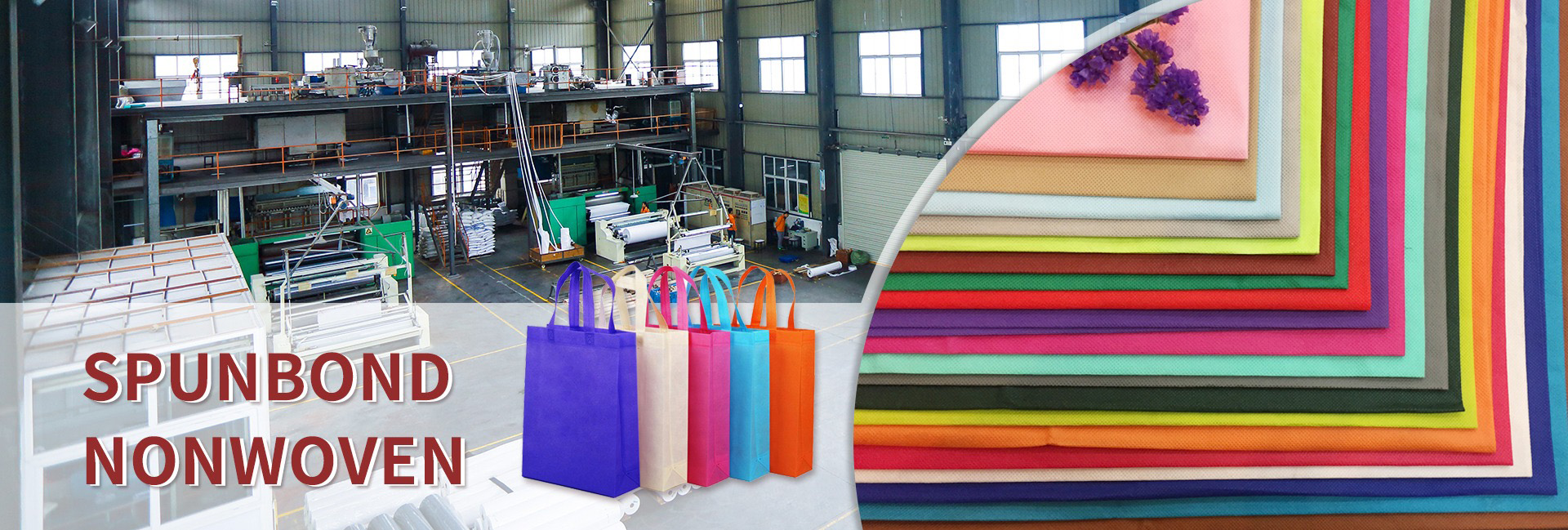
Dongguan Liansheng Non woven Technology Co., Ltd. was established in May 2020. It is a large-scale non-woven fabric production enterprise integrating research and development, production, and sales. It can produce various colors of PP spunbond non-woven fabrics with a width of less than 3.2 meters from 9 grams to 300 grams.
Post time: Feb-14-2026