
Protecting crops from frost is the most concerning issue for farmers and gardeners. The use of antifreeze non-woven fabric has become an effective method to protect plants from damage caused by cold weather. These fabrics provide insulation, retain moisture, and form frost barriers, ensuring the survival and health of plants in winter. This article explores the types of antifreeze non-woven fabrics that can be used for agricultural purposes, helping you choose the most suitable option for your needs.
Overview of antifreeze non-woven fabric
Antifreeze non-woven fabric is a material specifically designed to protect plants from frost and extreme cold. These fabrics are usually made of synthetic fibers such as polypropylene or polyethylene, woven into lightweight, breathable, and durable materials. The main function of these fabrics is to capture heat and moisture around plants, preventing frost from falling on leaves and stems.
Types of antifreeze non-woven fabrics
polypropylene fabric
Polypropylene has become a popular material for antifreeze fabrics due to its lightweight, durability, and breathability. These fabrics are commonly used as travel covers and frost blankets. They provide excellent insulation while allowing air and moisture to pass through, preventing condensation and potential plant diseases.
Performance of polypropylene fabric
Lightweight and easy to operate, durable and tear resistant, breathable, allowing for moisture and air circulation, effectively insulating and preventing frost.
Usage scenario
Vegetable crop row covering, used as a frost blanket for flower beds and garden plants.
Polyethylene fabric
Polyethylene is another widely used material for agricultural antifreeze. It is renowned for its moisture resistance and excellent insulation performance. Polyethylene fabric is commonly used for greenhouse covers and frost protection covers.
performance
Moisture proof, prevents water accumulation, has good insulation performance, is durable and long-lasting, with multiple thicknesses to choose from, and can achieve different levels of protection.
Usage scenario
Greenhouse coverage to maintain temperature; Suitable for frost protection film in larger areas.
Fleece fabric
Fleece fabrics made from synthetic fibers are highly effective in protecting individual plants. They have high insulation, breathability, and flexibility, making them perfect for covering small plants or delicate crops.
characteristic
High thermal insulation, keeping plants warm, breathable, preventing moisture accumulation, flexible and easy to cover on plants, lightweight and easy to operate.
Usage scenario
Individual plants covering young or delicate plants; Small scale antifreeze protection in the garden.
Factors to consider when choosing antifreeze fabrics
Fabric weight
The weight of a fabric is a key factor determining its effectiveness. Lightweight fabrics, such as 0.9 ounces of polypropylene, are suitable for quick antifreeze and short-term cold moisture. Heavier fabrics (such as 1.2 ounces) can provide better insulation and are more suitable for prolonged cold periods.
Lighter fabrics have better transparency, but poorer insulation. Heavier fabrics provide better insulation, but reduce light transmittance.
durability
Durability is crucial to ensure that fabrics can withstand multiple uses and harsh weather conditions. Search for fabrics that are tear resistant and UV resistant to ensure long-term protection.
Tear resistance can prevent damage caused by wind or handling, and UV stability can prevent sun damage.
breathability
Breathability is crucial for preventing water accumulation and potential plant diseases. Breathable fabrics allow air and moisture to pass through, maintaining a healthy environment for plants.
Polypropylene fabric has high breathability and can prevent condensation, while polyethylene fabric has good insulation, but its breathability may be poor.
Easy to use
Usability is an important consideration, especially for large-scale applications. Choose fabrics that are easy to install and remove, and consider options for securing the fabric, such as clips, wooden stakes, or heavy objects.
Use supports such as hoops or wooden stakes to create a mini greenhouse effect. Secure the fabric with clips or heavy objects to prevent it from being blown away.
Practical tips for using antifreeze fabrics
Installation Techniques
Proper installation is the key to maximizing the effectiveness of antifreeze fabrics. Use supports such as hoops, wooden stakes, or frames to keep the fabric above the plants, creating a small greenhouse effect that captures heat and moisture. Create a frame for the fabric using PVC pipes or bamboo stakes. Ensure that the fabric is securely fixed to prevent damage from wind.
Maintenance and Storage
Proper maintenance and storage can extend the service life of antifreeze fabrics. Clean the fabric after each use and store it in a dry, cool place to prevent mold and damage.
Maintenance Techniques
Clean the fabric with mild soap and water to remove dirt and debris. Store the fabric in a dry and cool place to prevent mold growth.
Case study
Real life case studies and feedback from farmers and gardeners can provide valuable insights into the effectiveness of antifreeze fabrics. These stories highlight successful use cases and common challenges, providing practical advice and inspiration.
Vegetable farmers in the northern United States
A vegetable farmer in the northern United States successfully used polypropylene row covers to protect early spring crops from unexpected frost damage. Lightweight fabrics can provide sufficient light transmission while also providing necessary insulation to keep plants warm.
European flower gardeners
A European flower gardener uses wool fabric to protect delicate flowers from the effects of late spring frost. The flexible and breathable fabric keeps plants warm without causing condensation or mold problems.
Product Review
Summarizing the reviews of popular antifreeze non-woven fabric products can help you make informed decisions. Highlight the advantages and disadvantages based on user feedback, and provide recommendations for the best available options.
Conclusion
Choosing suitable agricultural antifreeze non-woven fabric is crucial for protecting crops from the effects of frost and cold weather. Consider the specific needs of your factory, local climate, and factors discussed in this article, such as fabric weight, durability, breathability, and ease of use. By selecting appropriate fabrics and following best practices for installation and maintenance, you can ensure the survival and health of plants throughout the winter.
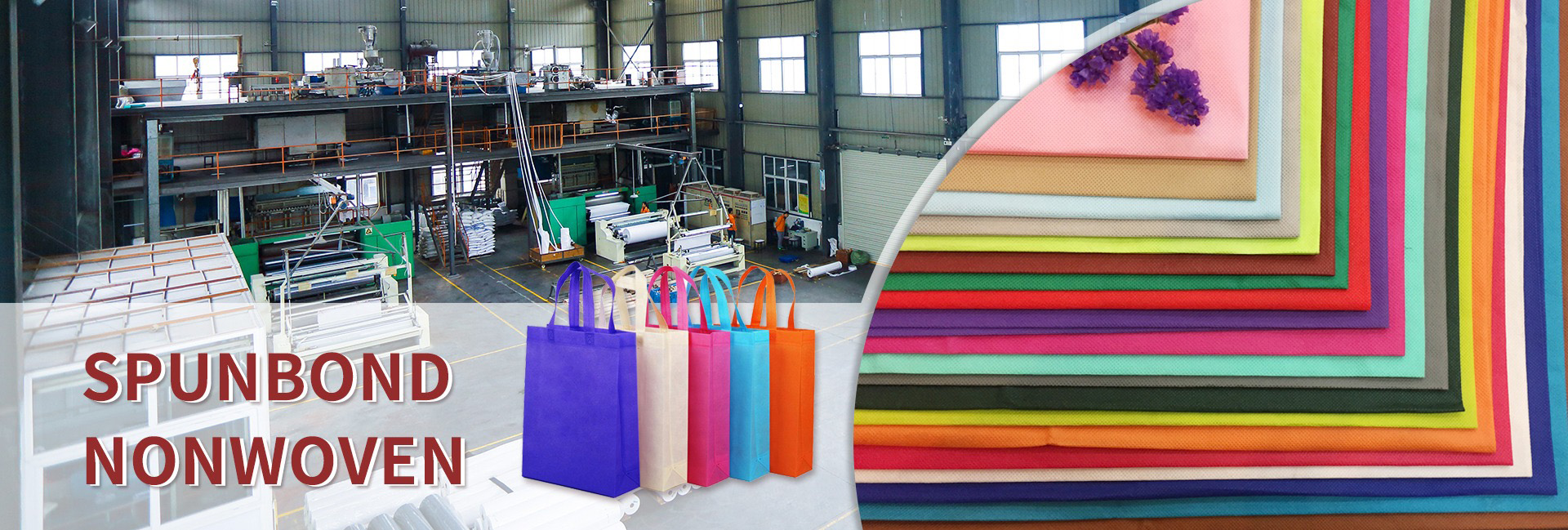
Dongguan Liansheng Non woven Technology Co., Ltd. was established in May 2020. It is a large-scale non-woven fabric production enterprise integrating research and development, production, and sales. It can produce various colors of PP spunbond non-woven fabrics with a width of less than 3.2 meters from 9 grams to 300 grams.
Post time: May-06-2025