
Okay, I need to figure out what materials are used for non-woven shoe storage dust bags. Let me start by recalling what non-woven fabrics are. Non-woven materials are made by bonding fibers together through chemical, mechanical, heat, or solvent treatment, rather than weaving or knitting. They’re known for being lightweight and durable.
So, the reader is asking specifically about shoe storage dust bags. These bags are meant to protect shoes from dust, moisture, and maybe even scratches. So the material needs to be breathable to prevent mold, but also provide some level of protection. Let me think about common non-woven materials used in such applications.
Materials
Polypropylene (PP) comes to mind. It’s a common plastic used in non-wovens. It’s durable, moisture-resistant, and lightweight. That sounds suitable. Polyester (PET) is another possibility. It’s also used in non-wovens, maybe offers better strength or different texture. Then there’s spunbond non-woven fabric, which is a type made by spinning filaments into a web. Spunbond PP is widely used for various bags because it’s strong and cost-effective.
What about other materials? Maybe blends of polyester and polypropylene? Or materials with additives for extra features like UV resistance or antimicrobial properties? Some dust bags might have those to enhance protection. Also, needle-punched non-wovens could be used for better texture or density. They might be more felt-like, which could be good for cushioning.
Environment protection
I should also consider the environment. There’s a trend towards biodegradable materials. Maybe some dust bags use PLA (polylactic acid) which is made from corn starch. Or other biodegradable polymers. But are those common yet? They might be more expensive, so maybe used in eco-friendly products.
Recycled materials could be another angle. Using recycled PET or PP to make non-woven fabrics for sustainability. That’s a valid point to include.
Additionally, the finish or treatment of the material matters. For example, a laminated layer for water resistance, or a calendared finish to make it smoother. But would that affect breathability? Maybe some balance is needed between moisture resistance and breathability.
I should also think about the manufacturing process. How are these non-woven fabrics made for dust bags? Spunbond, meltblown, or other techniques. Each method gives different properties. Spunbond is common for durability, meltblown for finer filtration, but maybe not necessary for dust bags.
Weight and thickness are factors too. Heavier non-wovens might offer better protection but could be bulkier. Lighter ones are more portable but less protective. The user didn’t specify, so maybe mention a range.
Types of fibers
Wait, the user is asking about materials, so focus on the types of fibers and fabric structures. Also, any special treatments or additives. Let me list possible materials:
1. Polypropylene (PP) spunbond non-woven
2. Polyester (PET) non-woven
3. Blends of PP and PET
4. Biodegradable materials like PLA
5. Recycled materials (rPET, rPP)
6. Needle-punched non-wovens for texture
7. Additives for UV, antimicrobial, or water resistance
Cost-effectiveness
Also, consider cost-effectiveness. PP is cheaper than PET, so probably more common. Biodegradable options might be niche but growing. Need to mention all these possibilities, explaining their properties and why they’re used.I should check if there’s any other material I’m missing. Maybe SMS (spunbond-meltblown-spunbond) composites for higher barrier properties, but that’s more for medical use. Probably overkill for dust bags. Stick to the basics.
Conclusion
In summary, the answer should list the common materials, their properties, benefits for shoe storage, environmental considerations, and any treatments or additives. Make sure it’s clear and covers all aspects the user might need.
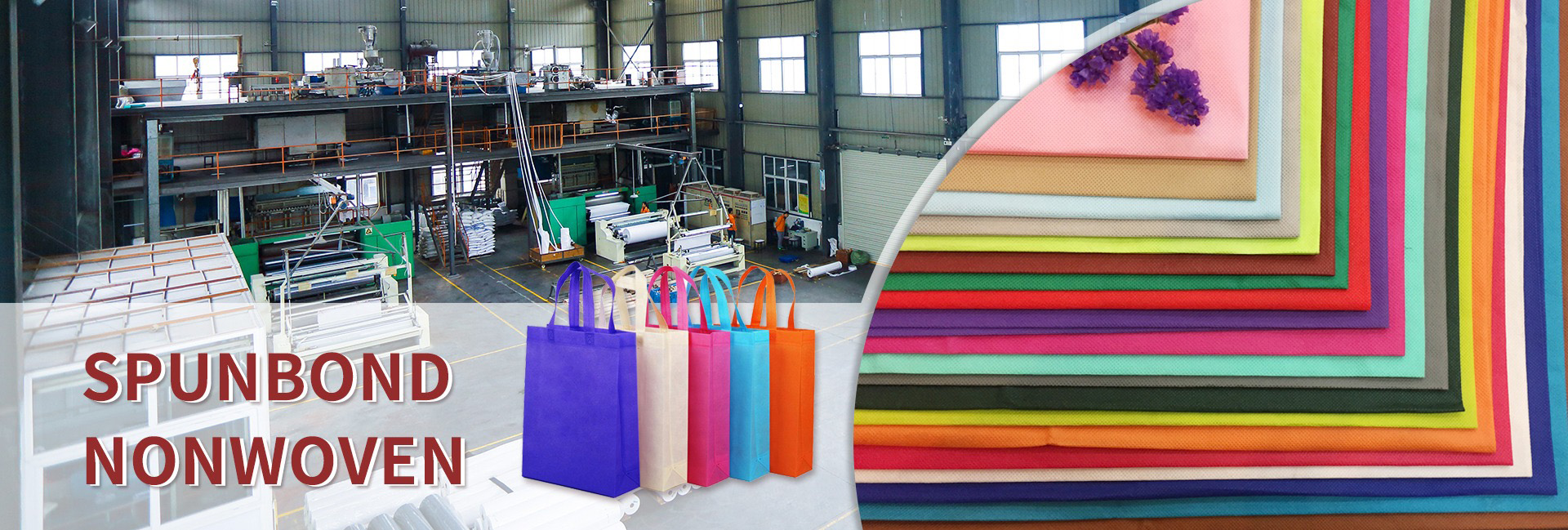
Dongguan Liansheng Non woven Technology Co., Ltd. was established in May 2020. It is a large-scale non-woven fabric production enterprise integrating research and development, production, and sales. It can produce various colors of PP spunbond non-woven fabrics with a width of less than 3.2 meters from 9 grams to 300 grams.
Post time: Mar-03-2025