
The durability of flame-retardant non-woven fabrics is affected by various factors, including material substrate, flame-retardant treatment process, usage environment, and mechanical strength. The following is a detailed analysis:
Material substrate
I need to consider the material of the non-woven fabric itself, as the durability of flame-retardant non-woven fabrics varies depending on the material. Common non-woven materials include polyester (PET), polypropylene (PP), aramid, fiberglass, and so on. The durability of different materials themselves varies. For example, flame-retardant non-woven fabrics made from polyester fibers have low cost, high strength, and good wear resistance. They can withstand a certain degree of tension and friction, are not easily damaged, and are susceptible to UV aging.
Flame retardant non-woven fabrics made of polypropylene fibers may have some strength, but their wear resistance may be slightly inferior compared to polyester fibers. If high-quality and highly compatible flame retardants are added to these fibers, the strength and toughness of the fibers themselves are generally not significantly reduced, thus maintaining durability; But if flame retardants are added improperly, they may make the fibers brittle and reduce durability.
Aramid/glass fiber has high temperature resistance (above 200 ℃), strong chemical corrosion resistance, and better durability, but the cost is higher.
Flame retardant treatment process
The flame retardant non-woven fabric produced by advanced spunbond or melt blown methods has a tight bond between fibers, uniform structure, and good strength and stability. For example, optimized spunbond technology can form a more regular arrangement of fibers during the web forming process, thereby improving the tensile strength of non-woven fabrics in all directions.
The post-treatment process can also affect durability. For example, flame-retardant non-woven fabrics that have undergone heat setting treatment have better dimensional stability and are less likely to deform due to heat or stress during use; Adding flame retardants and mixing them into fibers may reduce material flexibility or strength; After finishing the coating, the surface is coated with flame retardant, which is prone to detachment due to friction, cleaning, or environmental erosion, resulting in a decrease in flame retardancy and durability; Structural modification enhances flame retardancy through chemical modification, with minimal impact on durability, but the process is complex.
Environmental impact of use
The usage environment is also a key point. In a room temperature, dry, and non corrosive environment, flame-retardant non-woven fabric can maintain its performance for a long time and has good durability. If flame-retardant non-woven fabric is exposed to high temperatures or ultraviolet radiation for a long time, the material may age faster, leading to brittleness or a decrease in strength, and anti UV agents need to be added. Factors such as humidity and chemical corrosion can also affect its durability. For example, in humid environments, certain flame retardants may hydrolyze and become ineffective, or cause materials to mold.
For example, if exposed to high temperatures for a long time, the fibers of flame-retardant non-woven fabrics may gradually age and their strength may decrease; In humid environments, it is easy for microorganisms to grow, leading to the breakdown and destruction of fibers; Ultraviolet radiation can cause photodegradation of fibers, reducing their mechanical properties. Long term high temperature may cause substrate deformation or flame retardant failure (such as polypropylene softening above 80 ℃).
Mechanical strength indicators
In terms of mechanical strength, the durability of non-woven fabrics is usually not as good as traditional textiles because their structure is formed by combining fibers through chemical, thermal, or mechanical means, rather than weaving. The structure of non-woven fabric is loose, and its mechanical strength is usually lower than that of woven fabric. Flame retardant treatment may further reduce its strength. Frequent friction can easily lead to fiber detachment or coating wear, which needs to be improved through surface treatment (such as calendering). Does flame retardant treatment further weaken the bonding force between fibers, leading to easier tearing or wear. Specific test data needs to be reviewed, such as tensile strength, tear strength, wear resistance times, and other indicators.
Typical applications and lifespan
In some disposable scenarios that do not require high durability, such as disposable protective clothing, surgical coverings, etc., durability requirements are low and focus on flame retardancy and immediacy. Frequent stress scenarios, such as flame-retardant non-woven fabric exterior wall insulation systems used for building insulation, may require regular inspection and maintenance to ensure their performance and durability if subjected to external impacts or prolonged exposure to wind and rain, or to ensure their lifespan (typically 5-10 years) through weather resistance testing (such as UV aging, wet heat cycling).
Test standard reference
Flame retardancy, UL94, EN ISO 11925-2 (flame spread test). Durability: ASTM D5034 (tensile strength), ASTM D3884 (wear resistance), QUV accelerated aging test.
Summarize
The durability of flame-retardant non-woven fabric needs to be evaluated in conjunction with specific application scenarios. In environments with high temperature, high humidity, or high mechanical stress, it is recommended to choose high-performance materials such as aramid and fiberglass, and optimize flame retardant processes. Under normal circumstances, polyester/polypropylene substrates can also meet the requirements through proper treatment, but regular aging checks are required.
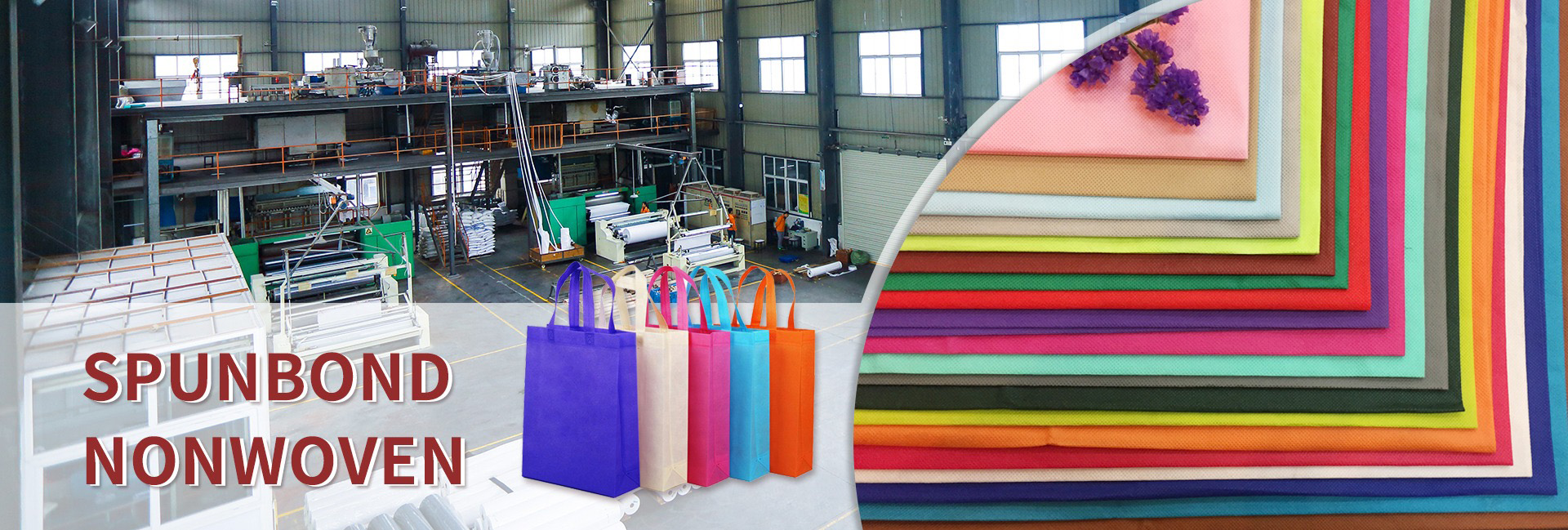
Dongguan Liansheng Non woven Technology Co., Ltd. was established in May 2020. It is a large-scale non-woven fabric production enterprise integrating research and development, production, and sales. It can produce various colors of PP spunbond non-woven fabrics with a width of less than 3.2 meters from 9 grams to 300 grams.
Post time: May-28-2025