
Raw material cost
Differences in substrate quality
The prices of mainstream substrates such as polypropylene (PP) and polyester (PET) are highly correlated with crude oil prices, and high-quality substrates need to meet higher purity requirements – for example, flame retardant non-woven fabrics used in new energy vehicles require melt blown PP raw materials (melt index ≥ 1500), which are 30% -40% more expensive than ordinary PP.Biobased materials, such as PLA fibers, have outstanding environmental performance and are more than 50% more expensive than traditional petrochemical based materials. However, their limit oxygen index (LOI) can reach 32%, and their penetration rate in high-end scenarios is rapidly increasing.
The type of flame retardant determines the cost gradient
Low end products often use halogen flame retardants (such as HBCD), which have low cost but poor environmental friendliness. The EU REACH regulation has restricted their use, with a unit price of only 8-12 yuan/kg;
The mid-range market is dominated by phosphorus based and nitrogen based halogen-free flame retardants, with costs increasing to 15-25 yuan/kg and LOI values reaching over 28%, accounting for 67.3% of the market share;
High end products adopt new technologies such as nano alumina coating and bio based flame retardants, with a cost of over 30 yuan/kg, but the smoke density rating (SDR) can be reduced to below 50, meeting the stringent requirements of rail transit, medical and other scenarios.
Production process
Differences in flame retardant treatment processes
Post finishing process (immersion rolling, coating): The process is simple, the equipment investment is low (about 5 million yuan/production line), but the flame retardant durability is poor (failure after 5-10 water washes), and the product unit price is mostly 5-15 yuan/square meter;
Body flame retardant process (blended yarn): Flame retardant masterbatch needs to be added during the spinning stage, with equipment investment of over 15 million yuan and a 30% increase in process complexity. However, the product can withstand more than 50 washings, and the unit price is generally between 20-40 yuan/square meter, accounting for 62% of the market share.
Premium for upgrading processing technology
Due to the tighter interweaving of fibers, the water jet process consumes 14.5% more energy per unit compared to the needle punching process. However, the product’s breaking strength can reach over 8N/cm ², making it highly demanded in the medical and electronic fields and priced 20% -30% higher than needle punching products. The composite process (such as “water jet+coating”) further enhances functionality, and the unit price can exceed 50 yuan/square meter.
Performance Standards and Certification
The flame retardant rating directly determines pricing
Strict standards corresponding to different application scenarios:
Civilian scenarios (such as mattress filling) can meet the BS5852 British standard, with a unit price of about 8-12 yuan/square meter;
The construction field needs to comply with GB8624-2023 B1 level, with a unit price of 15-25 yuan/square meter;
New energy vehicle battery pack materials need to pass UL94 V0 level (800 ℃ high-temperature non combustible), with a unit price of over 30 yuan/square meter, and the single vehicle usage has increased from 8.5kg to 14.2kg, driving a surge in high-end demand.
Additional costs of international certification
Exporting to the European Union requires REACH and EN 13501-1 certification, while North America needs to meet CFR1633 standards. Testing and certification costs can reach hundreds of thousands of yuan, and environmental requirements such as low VOC and no heavy metals increase production compliance costs by 30%. The premium for such products is usually over 40%.
Brand and Market Pattern
Brand concentration and pricing power
The industry CR10 reached 54.8%, and the R&D investment intensity of leading enterprises such as Zhejiang JinSanfa and DuPont reached 4.8% (1.2 percentage points higher than the industry average), forming technical barriers through patent layout – for example, the patent for nano flame retardant coating has enabled the product LOI to exceed 38%, and the premium can reach more than 50%. Small and medium-sized enterprises compete for the mid to low end market with low price strategies, resulting in severe product homogenization and prices only one-third to one-half of those of top brands.
Service model innovation premium
The high-end market has shifted from “material sales” to “system solutions”, with top companies providing one-stop services of “materials+testing+installation guidance”, and service premiums increasing gross profit margins by 5-8 percentage points. For example, customized substrates in the electronic and electrical field have a unit price that is more than 60% higher than general products due to their adaptability to the high temperature environment of 5G base stations.
Supply and demand structure
Premium for downstream application scenarios
High growth areas (new energy vehicles, medical protection): demand growth rate exceeds 25%, products need to meet composite functions such as high temperature resistance and antibacterial, with low price elasticity. For example, the annual purchase volume of flame-retardant medical dressings has increased by 19.8%, with a unit price of 35-60 yuan/square meter;
Traditional fields (building insulation, packaging): Demand growth rate is about 8%, competition is fierce, price sensitivity is high, and unit price is mostly below 10 yuan/square meter.
The impact of regional distribution of production capacity
The production capacity in East China accounts for 41.7%, the supply chain is mature, and the cost is 15% lower than that in the central and western regions; However, the newly added production capacity in the Chengdu Chongqing region accounts for 28.4% of the national total. With the advantage of labor costs, the prices of mid to low end products have been further reduced by 10% -15%, further widening the regional price difference.
Policy and Environmental Costs
Environmental policies drive up costs
Domestic environmental regulations require the elimination of halogenated flame retardants, and enterprises need to invest 2-5 million yuan in equipment renovation, increasing the proportion of environmental protection costs from 5% to 12%. The EU carbon tariff imposes an 8% surcharge on halogenated products, promoting the expansion of premiums for halogen-free products.
Raw material import dependence premium
The import dependence of high-end halogen-free flame retardants reaches 39%, and tariffs and transportation costs make the prices of such products 25% -30% higher than domestic substitute materials. The self-sufficiency rate of polypropylene flame retardant masterbatch has increased to 73%, with a cost 18% lower than imported products, becoming the core support for the price advantage in the mid-range market.
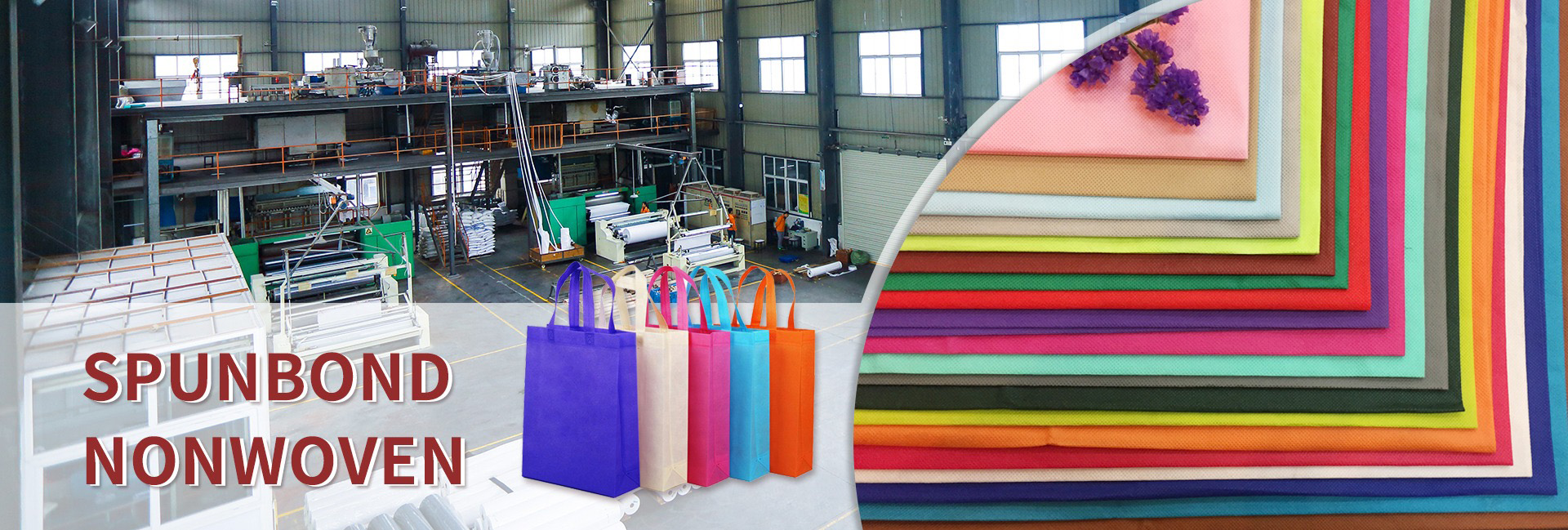
Dongguan Liansheng Non woven Technology Co., Ltd. was established in May 2020. It is a large-scale non-woven fabric production enterprise integrating research and development, production, and sales. It can produce various colors of PP spunbond non-woven fabrics with a width of less than 3.2 meters from 9 grams to 300 grams.
Post time: Dec-21-2025