
The cold winter is a huge challenge for vegetable cultivation. Severe weather conditions such as low temperature and frost can seriously affect the growth of vegetables, and even lead to reduced or no harvest. In order to ensure the safe overwintering of vegetables, the use of cold resistant non-woven fabrics has become a common practice among many vegetable farmers. However, the use of cold resistant non-woven fabric is not simply about covering it. To achieve its effectiveness, the following precautions need to be taken:
Choose the appropriate cold resistant non-woven fabric
1. Thickness selection: The thickness of the cold resistant non-woven fabric directly affects its insulation effect. Normally, the thicker the thickness, the better the insulation effect, but the breathability will relatively decrease. The appropriate thickness should be selected based on factors such as the lowest winter temperature, vegetable variety, and coverage time in the local area. For example, in cold northern regions, it is recommended to choose 30-50 grams/square meter of cold resistant non-woven fabric; In relatively warm areas in the south, one can choose 20-30 grams/square meter of cold resistant non-woven fabric.
2. Material selection: Common cold resistant non-woven fabric materials on the market mainly include polypropylene, polyester, etc. Polypropylene cold resistant non-woven fabric is relatively cheap, but its aging resistance is poor; Polyester cold resistant non-woven fabric is relatively expensive, but it has good aging resistance and a longer service life. It is recommended to choose high-quality cold resistant non-woven fabrics produced by reputable manufacturers to ensure their quality and effectiveness.
3. Color selection: The color of the cold resistant non woven fabric can also affect its insulation effect. Black anti cold non-woven fabric has good heat absorption effect, but it also dissipates heat quickly at night; White anti cold non-woven fabric reflects sunlight and can reduce the damage to vegetables caused by high temperatures during the day. Suggest choosing the appropriate color based on the actual situation.
Properly cover with cold proof non-woven fabric
1. Coverage time: The coverage time of cold resistant non-woven fabric should be determined according to local climate conditions and vegetable growth. Generally speaking, covering vegetables 1-2 days before the arrival of a cold wave can effectively prevent them from freezing. After the temperature rises, it is necessary to promptly remove the cold proof non-woven fabric to avoid affecting the normal growth of vegetables.
2. Covering method: The covering method of cold resistant non-woven fabric should be determined according to the planting method and growth stage of vegetables. For vegetables cultivated in open fields, direct covering or setting up small arch sheds can be used for covering; For vegetables grown in greenhouses, cold proof non-woven fabric can be covered outside the greenhouse, or a two-layer insulation film can be built inside the greenhouse.
3. Fixing method: After covering with cold proof non-woven fabric, it is necessary to compact it with soil or fix it with a rope to prevent it from being blown away by the wind. At the same time, attention should be paid to leaving ventilation openings to avoid excessive humidity inside the shed, which can cause diseases.
Strengthen field management
1. Water management: After covering with cold proof non-woven fabric, the evaporation of soil moisture decreases, which can easily cause excessive soil moisture. Therefore, it is important to control the frequency and amount of watering, and keep the soil moist.
2. Light management: Cold proof non-woven fabric may block some sunlight, affecting the photosynthesis of vegetables. Therefore, on sunny days with high temperatures at noon, it is advisable to remove the cold proof non-woven fabric appropriately to increase the exposure time to sunlight.
3. Disease and pest control: After covering with cold proof non woven fabric, the humidity inside the shed is high, which makes it easy for diseases and pests to breed. Therefore, it is necessary to strengthen the monitoring and prevention of pests and diseases, timely spray pesticides, and ensure the healthy growth of vegetables.
Other precautions
1. Avoid long-term coverage: Long term coverage with cold resistant non-woven fabric can affect the photosynthesis and respiration of vegetables, leading to poor vegetable growth. Therefore, after the temperature rises, it is necessary to promptly remove the cold proof non-woven fabric.
2. Pay attention to fire prevention: Cold proof non-woven fabric is a flammable material. When using it, pay attention to fire prevention and stay away from sources of fire.
3. Timely cleaning: After using the cold proof non-woven fabric, it should be cleaned and properly stored for future use.
Summary
Cold proof non-woven fabric is an important guarantee for the safe overwintering of vegetables, but its effectiveness can only be achieved through proper use. I hope the above content can help you better understand the usage of vegetable cold resistant non-woven fabric and provide protection for your vegetable cultivation.
Kind reminder: The above content is for reference only. Please adjust the specific operation according to the actual situation. If you have any questions, please consult the local agricultural technology department or professionals.
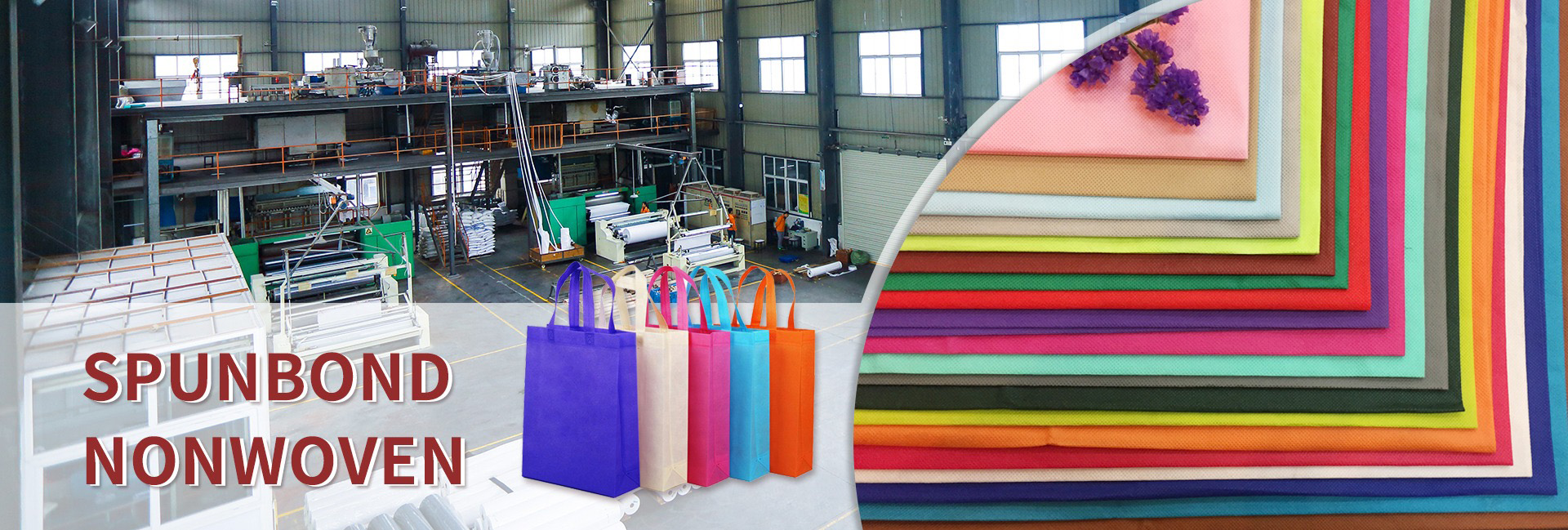
Dongguan Liansheng Non woven Technology Co., Ltd. was established in May 2020. It is a large-scale non-woven fabric production enterprise integrating research and development, production, and sales. It can produce various colors of PP spunbond non-woven fabrics with a width of less than 3.2 meters from 9 grams to 300 grams.
Post time: Mar-30-2025