
Okay, the user is asking why nonwoven seedling bags are better. Let me start by recalling the previous conversation where I provided an overview of nonwoven spun polypropylene cloth. Now they want a comparison focusing on seedling bags.
Key properties of nonwoven seedling bags
First, I need to think about the key properties of nonwoven seedling bags compared to traditional options like plastic pots or woven bags. From the previous info, nonwoven PP is breathable, lightweight, and allows root aeration. That’s probably a big advantage.
Root health is crucial for seedlings
Traditional plastic pots can cause root circling, but nonwoven bags might prevent that by allowing air pruning. That’s a point to highlight.Durability and biodegradability. Wait, earlier I mentioned that nonwoven PP isn’t biodegradable, but maybe some seedling bags are made from biodegradable materials? Or perhaps they are designed to break down over time even if made from PP? Need to clarify that. Maybe the user is interested in environmental aspects, so I should address that. Though standard PP isn’t biodegradable, some might be treated or combined with other materials.
Water and nutrient management
Nonwoven fabrics are hydrophobic but breathable. How does that affect watering? They allow drainage, preventing waterlogging. That’s good for plant health. Also, the structure might help in even distribution of water and nutrients.
Ease of transplanting
If the roots grow through the bag, you can plant the entire bag without disturbing the roots. That reduces transplant shock. Important for gardeners and commercial growers.
Cost-effectiveness. Nonwoven bags are probably cheaper than some alternatives, especially considering their reusability or efficiency in mass production. Plus, they save labor costs during transplanting.
Environmental impact
Even though PP isn’t biodegradable, maybe they are recyclable. But if not disposed properly, they contribute to plastic waste. However, compared to single-use plastic pots, maybe they have a lower environmental footprint if reused or recycled. Should mention the need for proper disposal and alternatives like biodegradable nonwoven materials.
Use cases. Where are these bags commonly used? Agriculture, horticulture, commercial nurseries, home gardening. Each might have different priorities, so the benefits should cover a broad range.
Advantages
I should structure the response with clear sections: root health, water management, transplant benefits, environmental aspects, cost, durability, etc. Use bullet points or headings for clarity. Make sure to compare directly with traditional options. Also, address any potential downsides to provide a balanced view, but the main focus is on why they’re better.
Check if there are studies or common practices that support these benefits. For example, air pruning is a known technique in horticulture. Nonwoven bags facilitating that makes sense. Also, breathability reducing disease risk from excess moisture.
Ensure the language is clear and accessible, avoiding too much technical jargon. The user might be a gardener or someone in agriculture looking for practical advice. Conclude with a summary that encapsulates the main advantages.
Possible disadvantages
Maybe they aren’t as sturdy as plastic pots in some conditions. Or if made from standard PP, they aren’t biodegradable. But the user is asking why they are better, so focus on the positives but mention environmental considerations.
Comparison to Traditional Options
| Feature | Nonwoven Bags | Plastic Pots | Peat Pots |
|---|---|---|---|
| Root Health | Air-pruned, fibrous roots | Root circling common | Roots restricted |
| Transplant Shock | Minimal | High (root disturbance) | Moderate (pot breaks down) |
| Durability | Tear-resistant, reusable | Durable but non-breathable | Fragile, disintegrates |
| Eco-Friendliness | Recyclable/biodegradable | Plastic waste | Biodegradable but resource-intensive |
| Cost | Low | Moderate | High |
Conclusion
Nonwoven seedling bags excel in promoting plant health, simplifying transplanting, and reducing environmental impact compared to traditional options. For sustainability, opt for biodegradable nonwoven materials (e.g., coconut fiber blends) or ensure proper recycling of polypropylene bags. Their combination of practicality, cost-efficiency, and eco-friendly potential makes them a superior choice for modern horticulture.
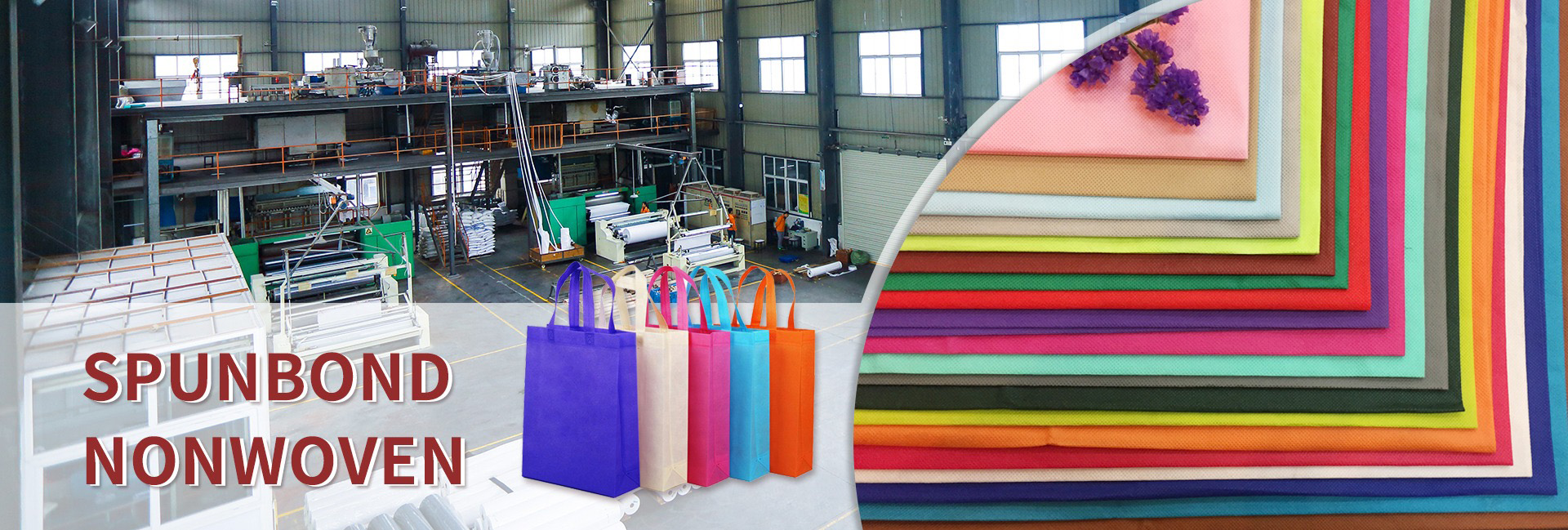
Dongguan Liansheng Non woven Technology Co., Ltd. was established in May 2020. It is a large-scale non-woven fabric production enterprise integrating research and development, production, and sales. It can produce various colors of PP spunbond non-woven fabrics with a width of less than 3.2 meters from 9 grams to 300 grams.
Post time: Feb-25-2025